
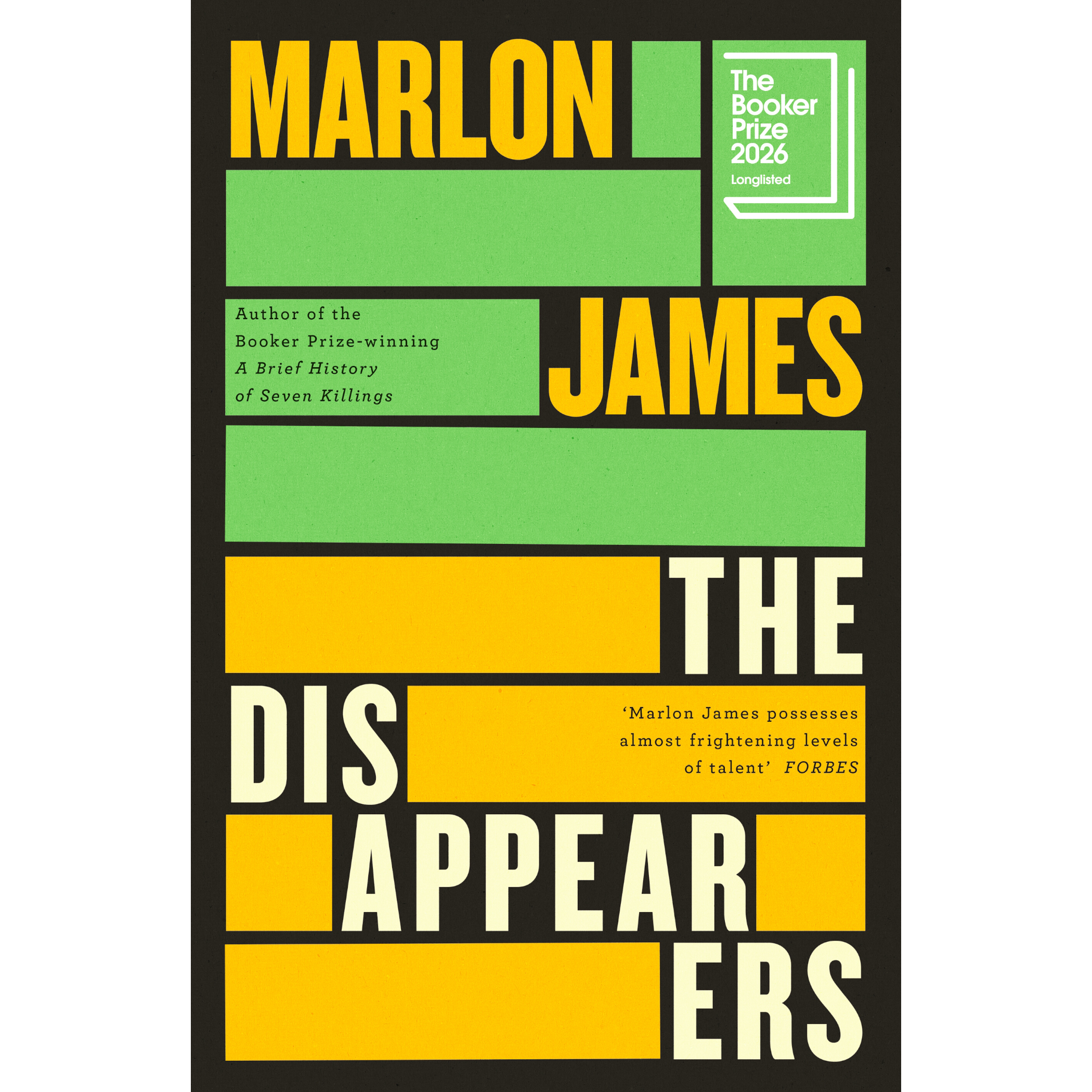
The Disappearers | By Marlon James
So when eight gay men meet for the first time, in Kingston in 1988, answering the casting call for an openly queer play, they are already taking a big risk. But that is nothing compared to what rains down on them when a mob descends on one of their rehearsals. By the end of this night, one man is dead, all are injured, and two subsequently disappear.
As the survivors heal, each man finds he must confront the bigotry and homophobia that the attack laid bare. Some try to forget; some embrace their rage; and some simply vanish – but all are forever scarred. As one of the victims puts it, ‘there’s a difference between when something ends and when something stops’. And this story won’t stop until both the disappearers and the perpetrators have been tracked, along trails both hot and cold, and an ending reached.
Epic and intimate, violent and forgiving, The Disappearers is a tour de force which only Marlon James could have written – both an unflinching portrait of the hatred and shame faced by gay men in a society which refuses to accept them, and a deeply human story of acceptance and insight.
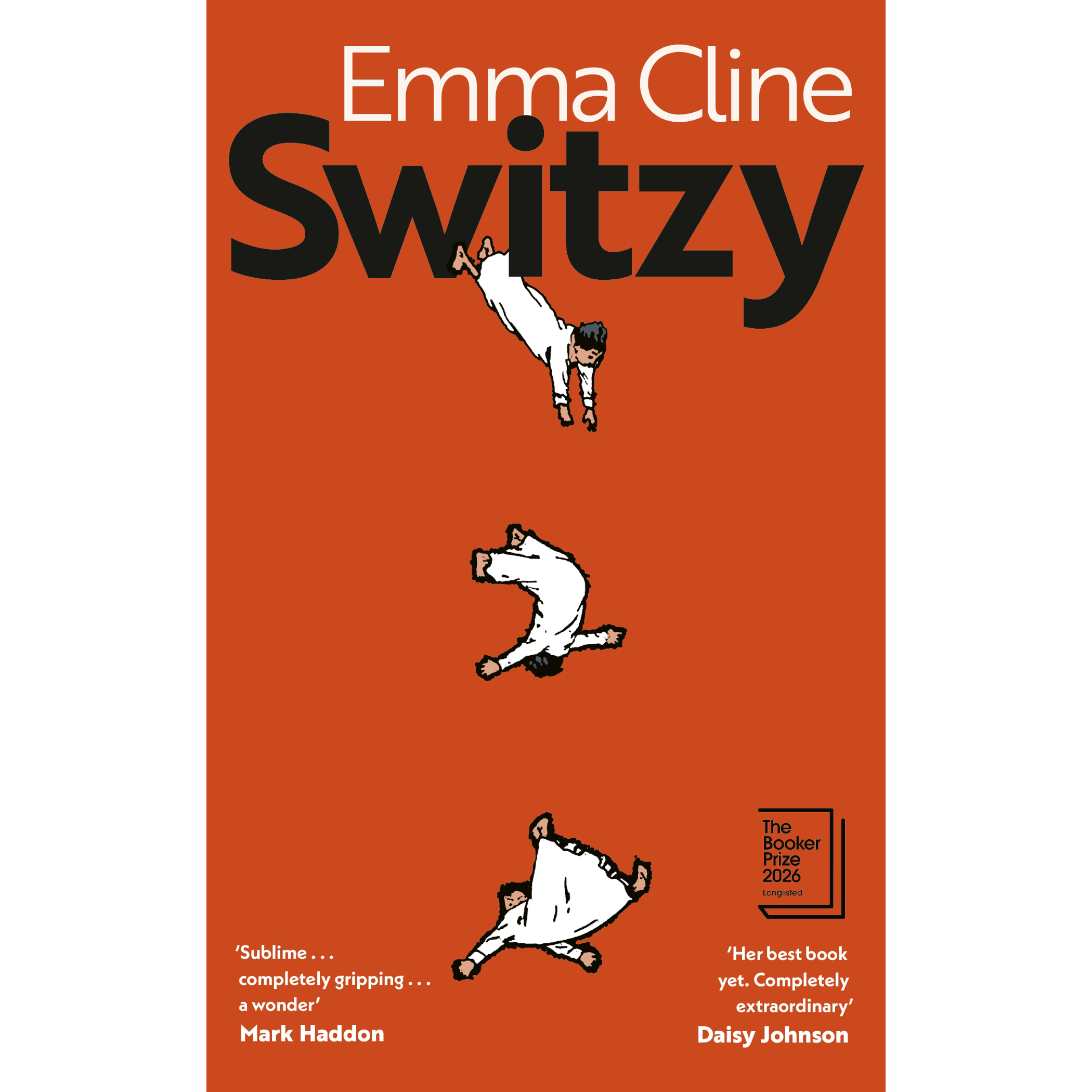
Switzy | By Emma Cline
A private plane cuts through the winter night, somewhere over Greenland. David, a retired executive, sits back in his leather seat, playing solitaire on his phone. Click. Click. Drag. Click.
In his pocket is a notebook filled with urgent reminders — but he can no longer read his own handwriting. He’s travelling with his assistant.
There will be a stopover in London, dinner with his adult daughter, a meeting in France with an old friend. His final destination: a clinic in Zurich. As David glides through hotel rooms, airports and foreign cities, his grasp on the present slips away and the past rushes in. With David’s arrival in Zurich looming, an exquisitely rendered portrait of an unravelling mind emerges.
Hypnotic and moving, Switzy probes the depths of human consciousness, revealing what a man is left with when the accomplishments and compromises that have defined him, and the illusions he's relied on, vanish.
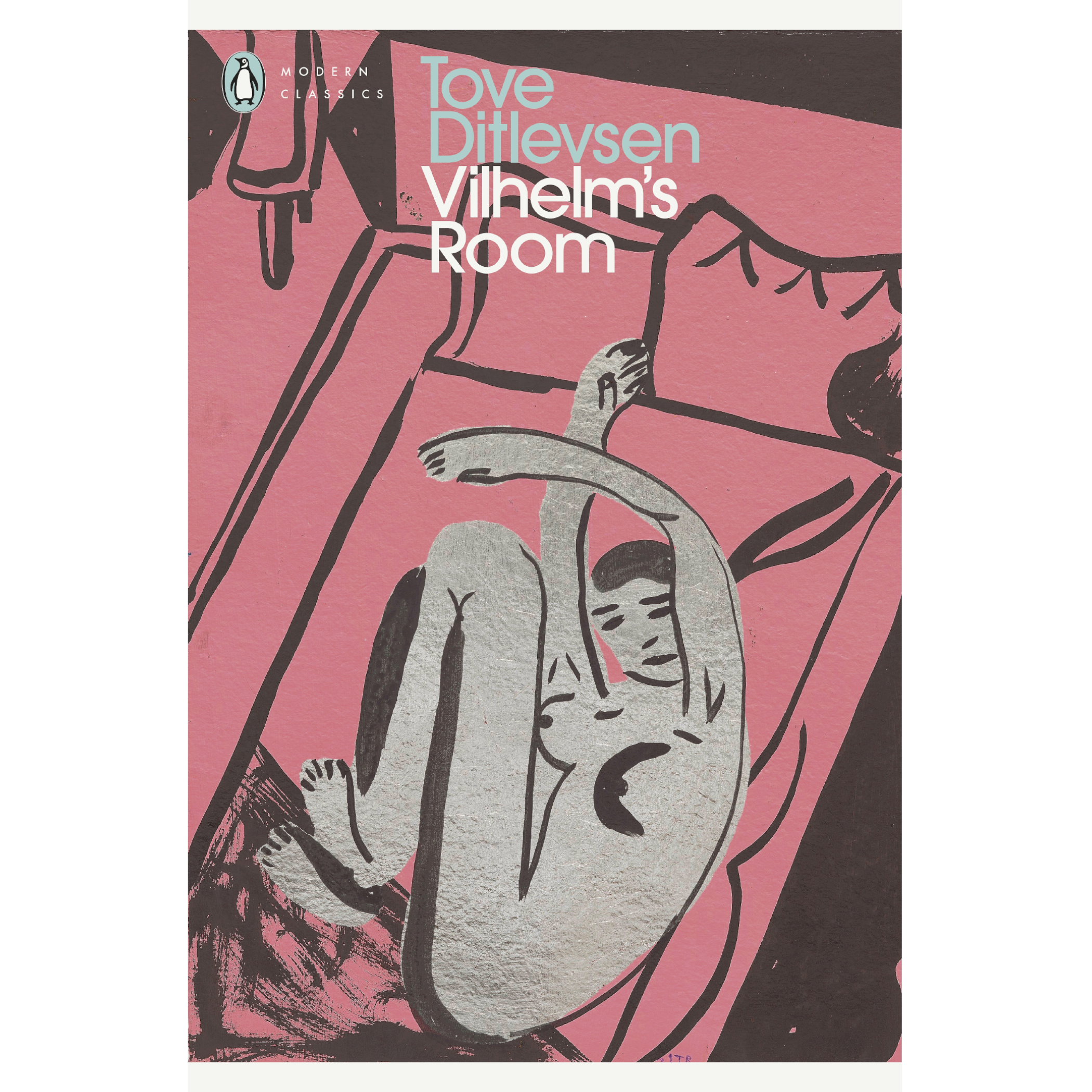
Vilhelm’s Room | By Tove Ditlevsen | Translated by Sophia Hersi Smith and Jennifer Russell
‘I want to write a book about Vilhelm’s room and the events which took place in it, or arose from it; those that led to Lise’s death, which I have survived only so that I might write down the story of her and Vilhelm...’
The ripples from a breakup radiate outwards from the room where a married couple once loved each other, and a bizarre Lonely Hearts advert sets off a train of tragicomic events that lead to an inevitable conclusion. Tove Ditlevsen’s final novel – published a year before her suicide in 1976 – is a masterful conclusion to a great work of writing: a blackly funny and devastating tour-de-force that pulses with life even as it journeys towards death.
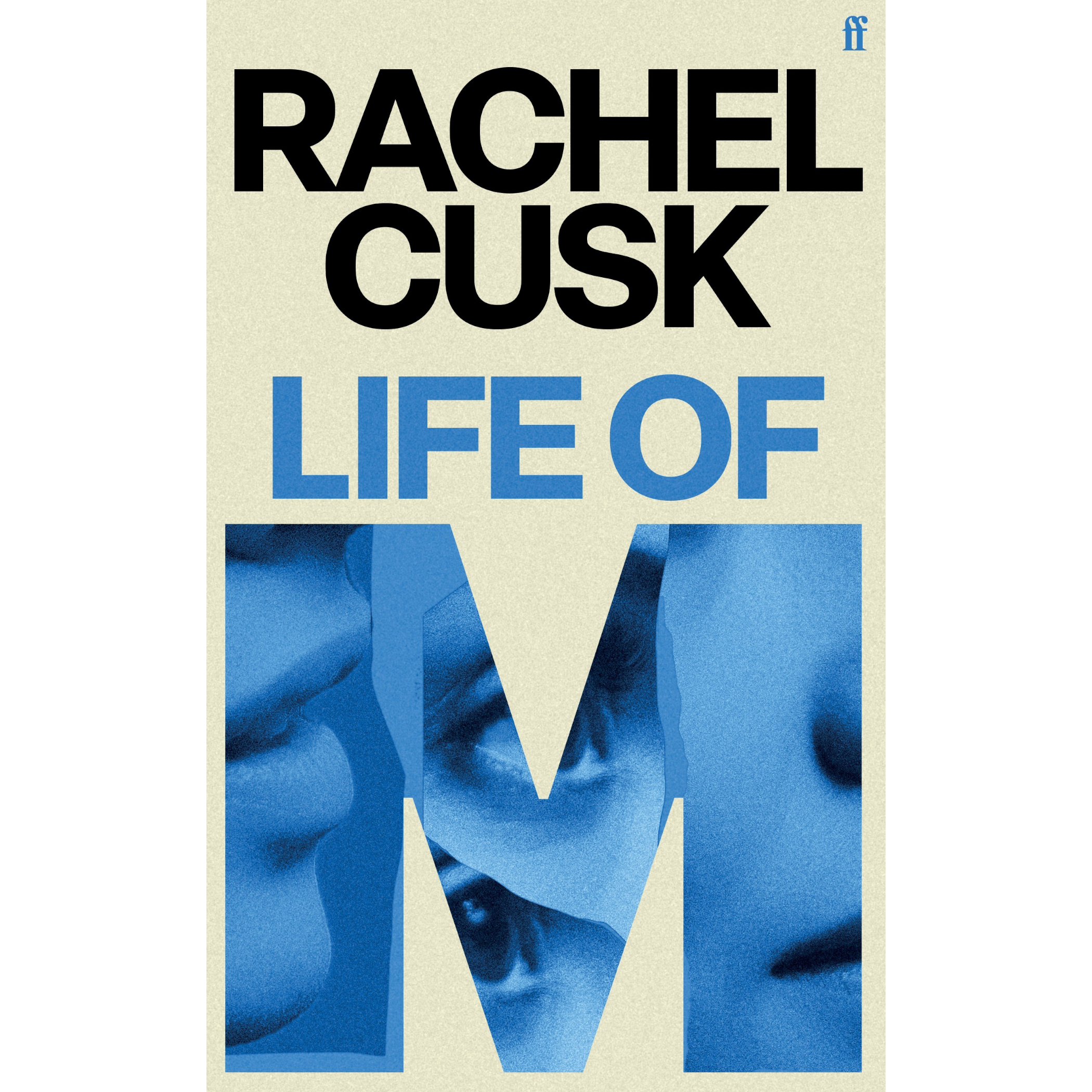
Life of M | By Rachel Cusk
A little while ago, I told the actor M that I was thinking of writing her autobiography. She liked the idea.
She's a good sport. Would you just make it up? she said. M is a film star, and one of the most recognisable faces of our time.
With such fame, her life has the appearance of freedom: people are instantly obliging, spaces are altered to accommodate her, time can be rearranged. For her, it seems, the rules of reality have melted away. Now M has agreed to let a stranger write her biography.
Their project will sprawl and expand: to the olive groves and holiday beaches where M spends her days; across hotel rooms, bourgeois facades, film sets; through endless modern cities. It is hard not to feel ugly next to M, hard not to feel insignificant. But what truths - about the very experience of living - might this proximity allow the writer to briefly capture? And what in the end will M make of their work? In Life of M, Rachel Cusk has again fashioned a new kind of literature.A novel stripped of artifice, it takes our emptiness and fills it with grace.
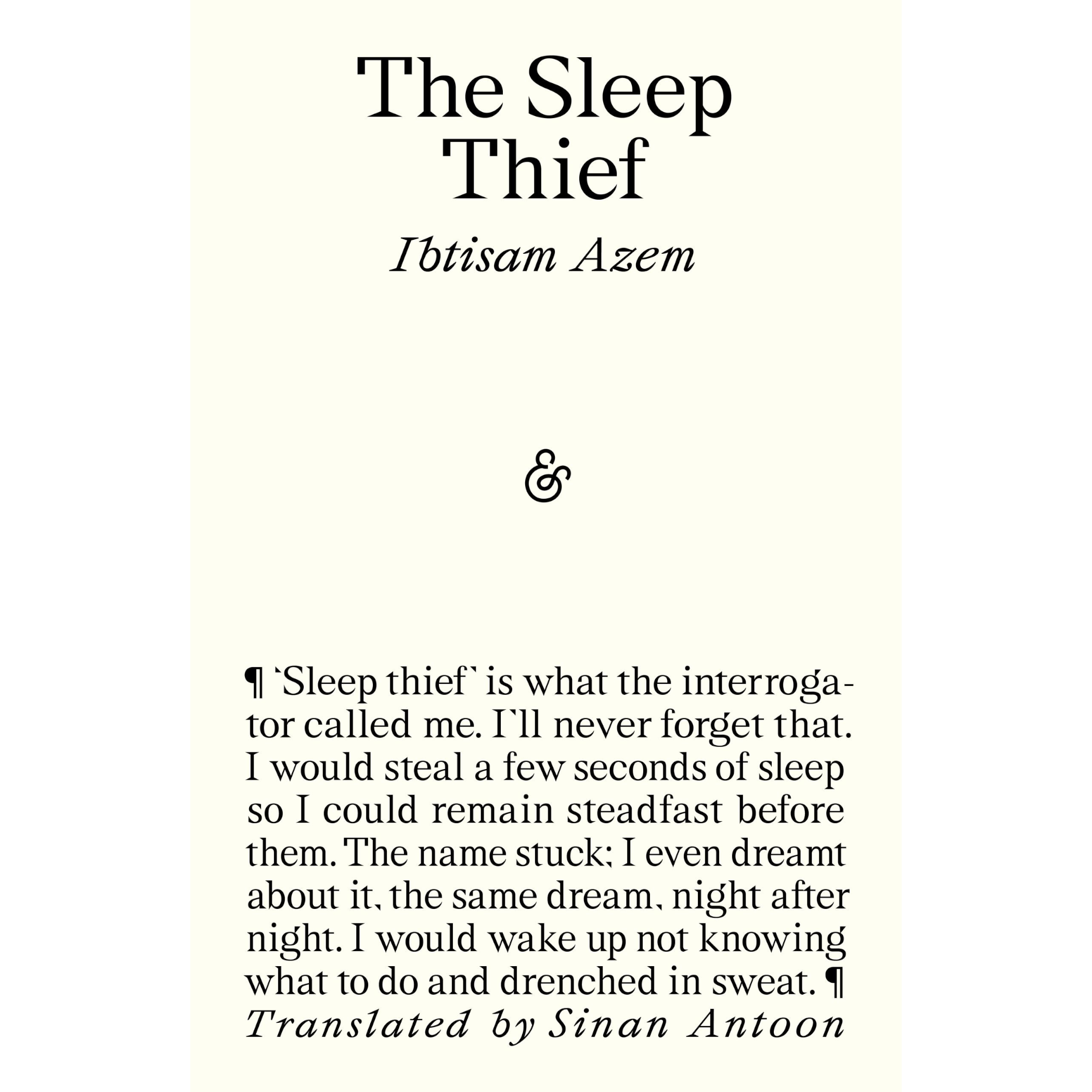
The Sleep Thief | By Ibtisam Azem | Translated by Sinan Antoon
‘Sleep thief is what the interrogator called me. I’ll never forget that. I would steal a few seconds of sleep so I could remain steadfast before them. The name stuck; I even dreamt about it, the same dream, night after night. I woke up not knowing what to do and drenched in sweat.’
The experimental first novel from International Booker-Prize longlisted Palestinian author Ibtisam Azem, The Sleep Thief follows the life of Gharib ('the Stranger') Haifawi as he comes of age, is drawn into resistance, makes friends, meets lovers, pushes back against traditional values, longs to be free of the labels and expectations that burden him, rails against the commodification of suffering, and dreams of a Palestinian identity that will transcend sorrow.
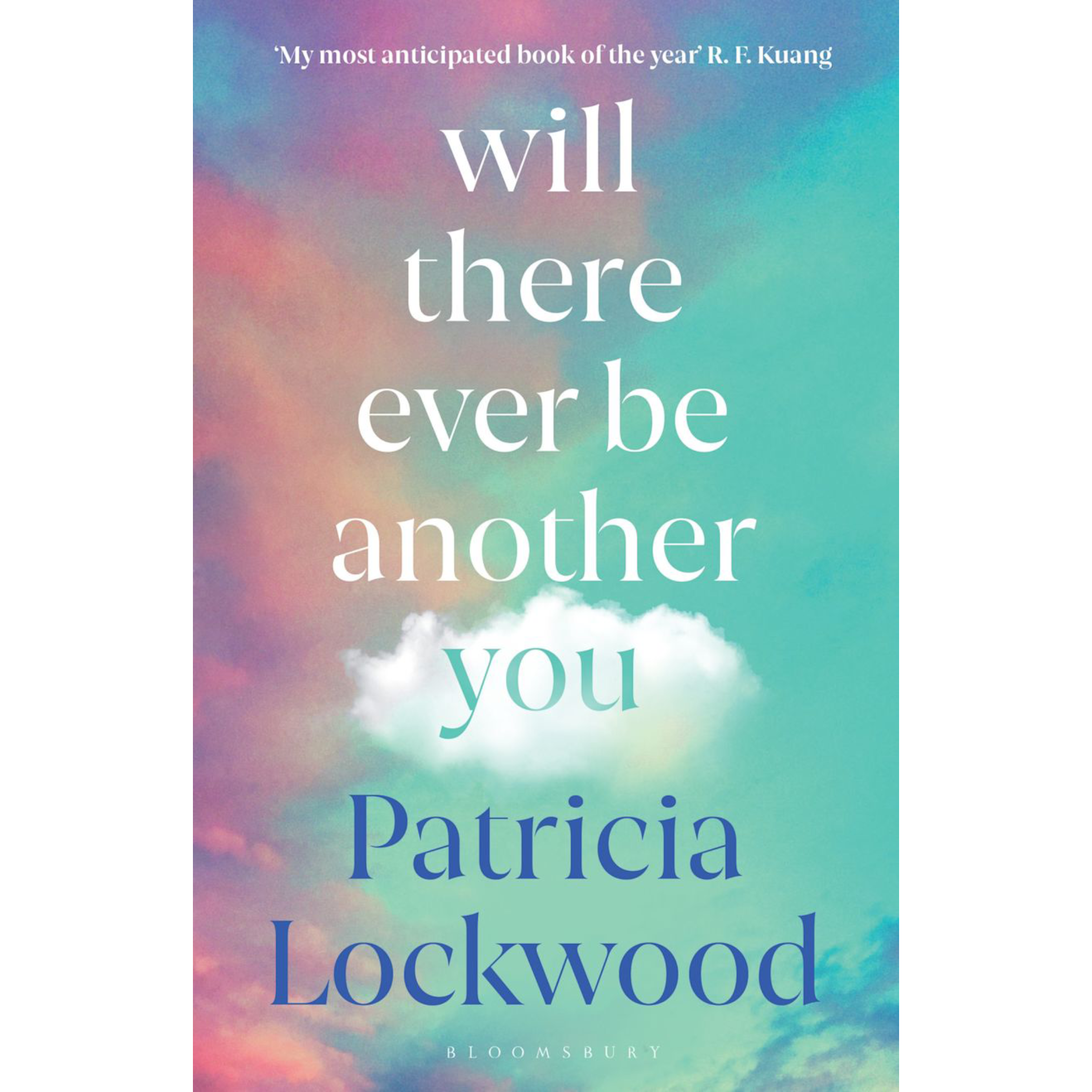
Will There Ever Be Another You | By Patricia Lockwood
The world might be in disarray, but for one young woman, the very weave of herself seems to have loosened. Time and memories pass straight through her body, she’s afraid of her own floorboards, and the lyrics of ‘What Is Love’ play over and over in her ears. ‘I’m sorry not to respond to your email,’ she writes, ‘but I live completely in the present now.’
Tearing through the slippery terrains of fiction and reality, the possibility for human connection seems to beckon from the other side – and with it, the chance for a blinding re-emergence into the world.
From one of our most original, inventive and prodigiously funny writers, Will There Ever Be Another You is a phosphorescent, wild and profound investigation into what keeps us alive in unprecedented times.

G. | By John Berger
In this luminous novel about a modern Don Juan, Berger relates the story of G., a young man forging an energetic sexual career in Europe during the early years of the last century as Europe teeters on the brink of war. With profound compassion, Berger explores the hearts and minds of men and women, and what happens during sex, to reveal the conditions of the libertine's success: his essential loneliness, the quiet cumulation in each of his sexual experiences of all of those that precede it, the tenderness that infuses even the briefest of his encounters, and the way women experience their own extraordinariness through their liaisons with him.
Set against the turbulent backdrop of Garibaldi's attempt to unite Italy, the failed revolution of Milanese workers in 1898, the Boer War and the dramatic first flight across the Alps, G. is a brilliant novel about the search for intimacy in the turmoil of history.
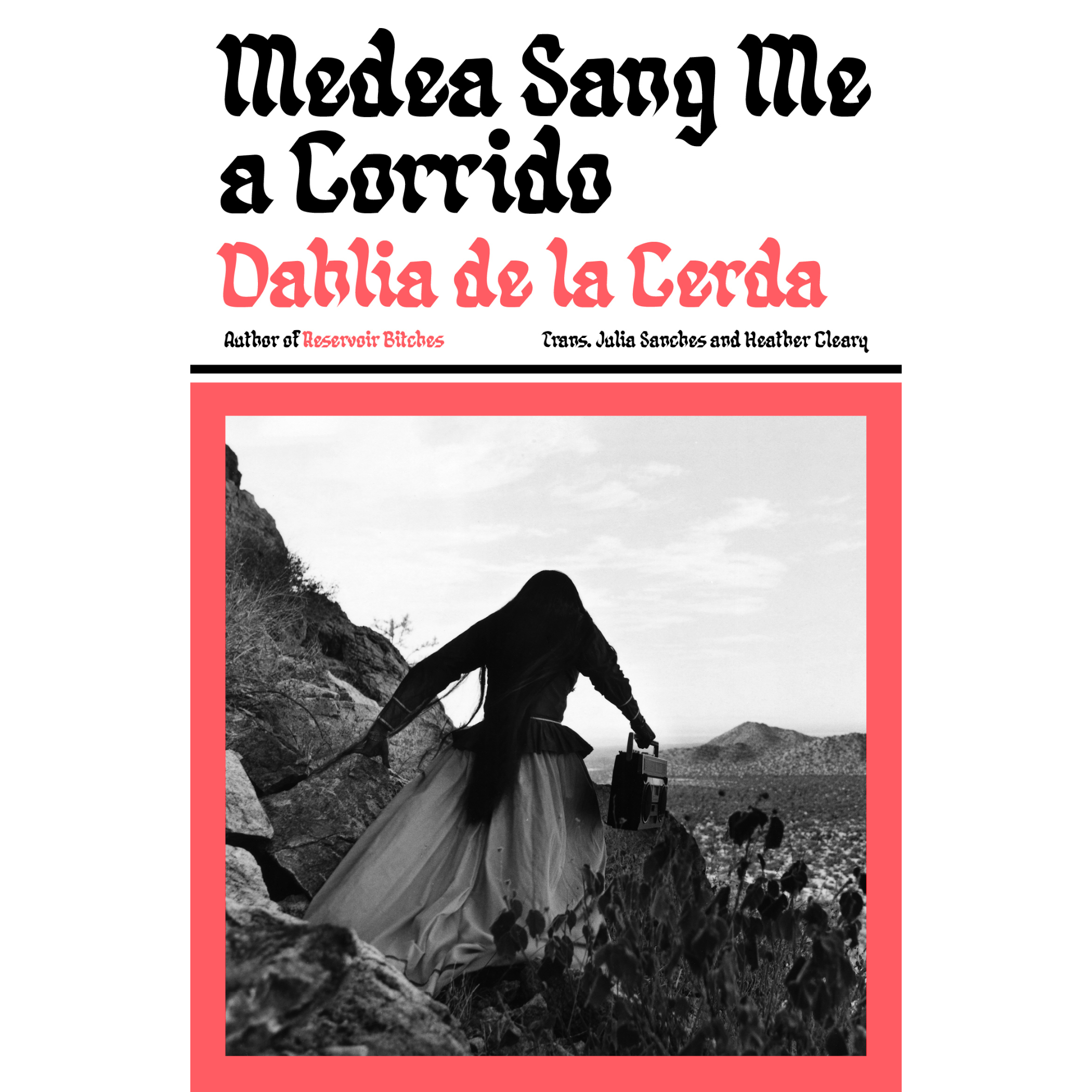
Medea Sang Me a Corrido | By Dahlia de la Cerda | Translated By Julia Sanches & Heather Cleary
In Northern Mexico, Paulina, Perla, Antonia, Reina, and Jordan are striving to survive the barrio, hustling on the edge of a cartel-run economy, nursing the wounds made normal in a world that eats its own. Hovering over their trials is a spirit with gothic flair, dressed in black and crowned with braids: Medea, a mythic mother of the Chihuahuan desert, ancient as the Aztecs but never too old to be petty.
From aiding a trophy girlfriend’s abortion, to accompanying a mother in her search for her lost child in the desert, to embracing those taken too soon in the narco’s brutal proxy wars, Medea fights for justice for her chosen mortals — her divine wrath the only power that could rival the corrupt, violent web spun by the cartel, the government, and the military. Dahlia de la Cerda’s magnetic prose draws readers right into the heart of that web and links all our fates to the missions of Medea, equal parts midwife and gravedigger, a femme fatale god in a femicidal world.

Air | By Christian Kracht | Translated By Daniel Bowles
Two men venture through strange landscapes towards unknowable destinations. Paul, a feted designer, wanders the echoing corridors of a server farm in Norway - before, in a sudden blackout, he seems to vanish.
In another time and space, a wounded stranger wakes in a forest, watched over by a young girl who helps him flee to an icebound settlement where perhaps he will find safety. Inventive, enigmatic and chromatically resonant, Air is the seductively disorienting new novel from one of the most significant European writers working today.
Heir to the ingenious fictions of Ursula K. Le Guin or Jorge Luis Borges, resistant to single interpretation, it unfolds as a haunting journey through a layered universe that may be a dream, the afterlife or reality's inverted twin.
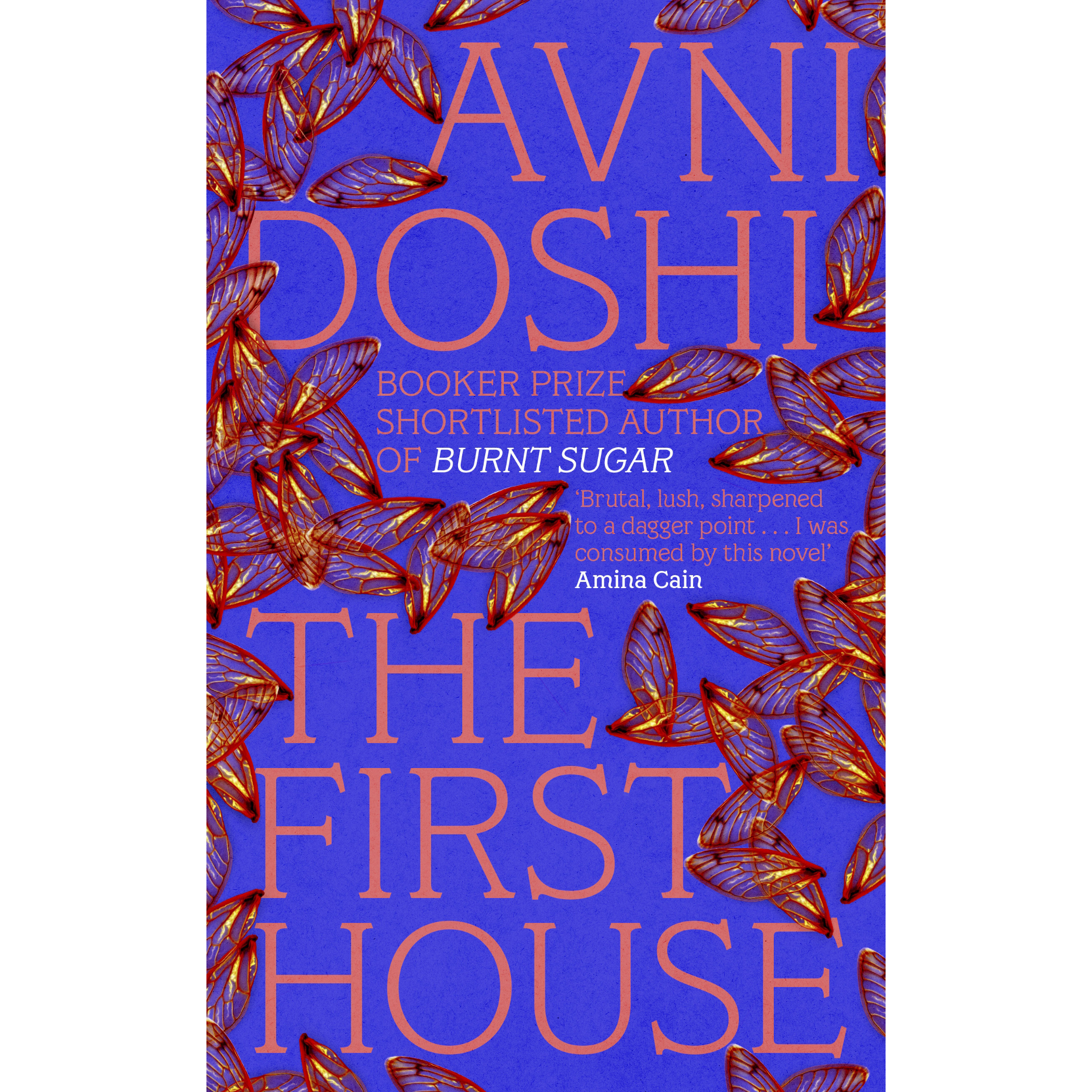
The First House | By Avni Doshi
A woman’s husband walks into their bedroom one evening and tells her that he wants a divorce. She is stunned. They have always had a happy marriage, an almost perfect marriage. In the following days, marooned with two young daughters in a hostile suburb, the woman starts coming apart.
As she sifts through the ruins of their shared life, she begins to notice the warning signs which she chose not to see the first time around. She wanders deep into the forest of her own mind, where marital memories intermingle with myths of headless women and vengeful goddesses, messages hidden in the constellations, glimpses of a natural world seething and alive with portents. Over the course of a single summer, as the cicadas that have been buried in the ground for seventeen years prepare to emerge and fill the air with a plague of ecstatic transformation, the woman too is splitting, liquifying and reforming, stretching her new antennae toward the light.
This is a novel about unhappy families – about poison seeping through the domestic space, the bloody battlefield of the home, the enduring threat posed by those closest to us. Stiletto-sharp and darkly hypnotic, it is a gripping psychodrama of unravelling and rebirth.
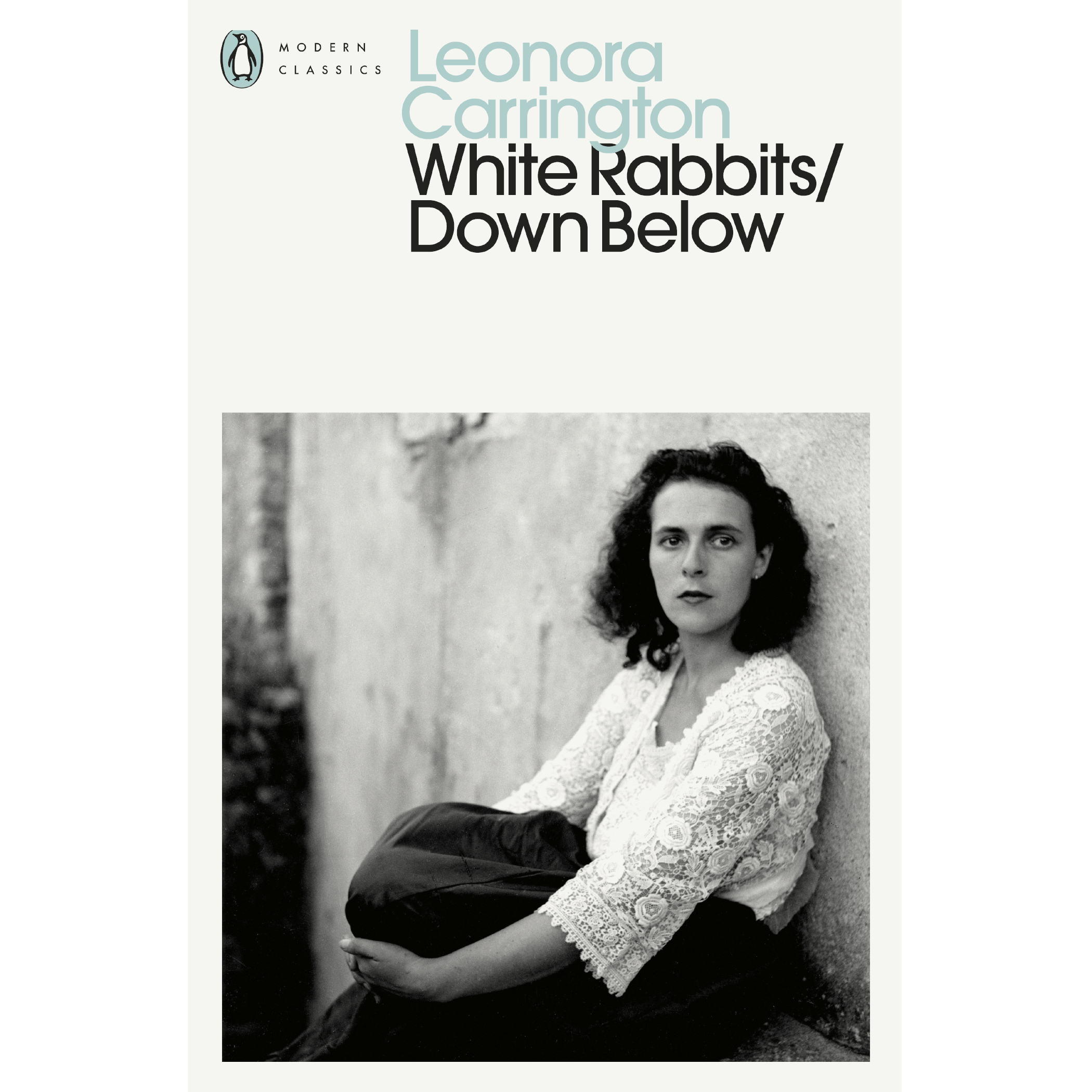
White Rabbits/Down Below | By Leonora Carrington
In 1940, Leonora Carrington - a twenty-two-year-old British-born Surrealist artist - was persuaded to flee France and the advancing German army for Spain. Already suffering from a psychotic break occasioned by the arrest of her lover by the Nazi authorities, she was soon confined to a mental institution, where she was subjected to sadistic treatment under the guise of medical care. In her memoir, Down Below, she describes her experiences with an anthropologist's precision and an artist's sense of the fantastic.
This volume also includes a selection of Carrington's best stories from across her lifetime, functioning as companion pieces to her surrealist-inflected non-fiction. They include 'The Debutante', in which a young woman, wishing to avoid a ball in her honour, swaps places with a hyena; 'White Rabbits', which sees a friendly neighbour come by to ask for spare decomposing meat; and 'My Flannel Knickers', in which a woman has sainthood forced upon her.
New & Featured
Fiction
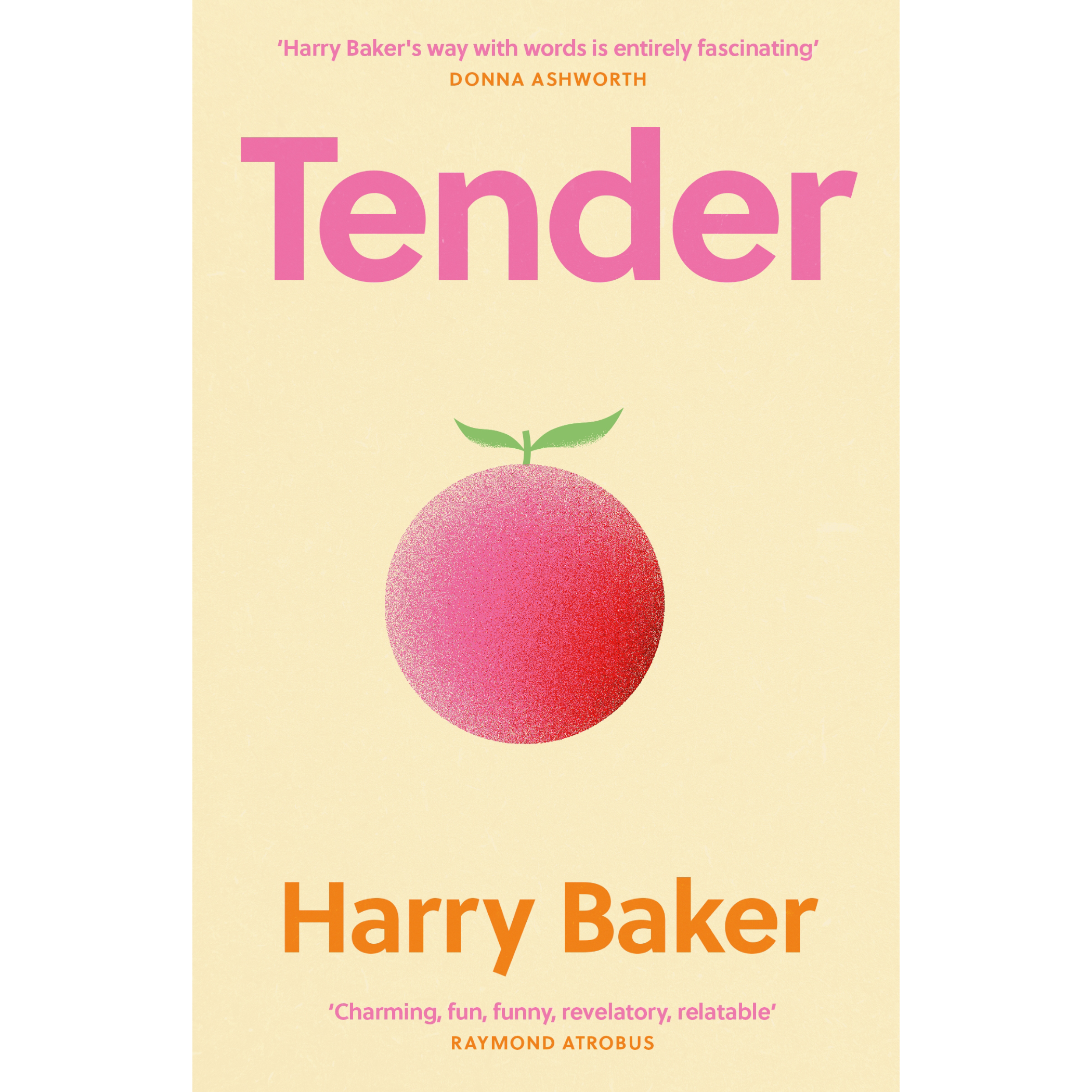
Tender: 100 poems for the first 100 days of life | By Harry Baker | Signed copies available
Tender captures all the tiny, fragile, perfect moments of new life and, with it, new parenthood. Full of sleepless wonder and with his characteristic wit and warmth, Harry Baker offers snapshots into the intense first 100 days with his son as they get to know each other. A yawn from a tiny pink mouth, a kind word from a stranger on a difficult day, the weight of a body sleeping against your chest - parents will recognise both themselves and their children in Tender and find consolation in this collection.
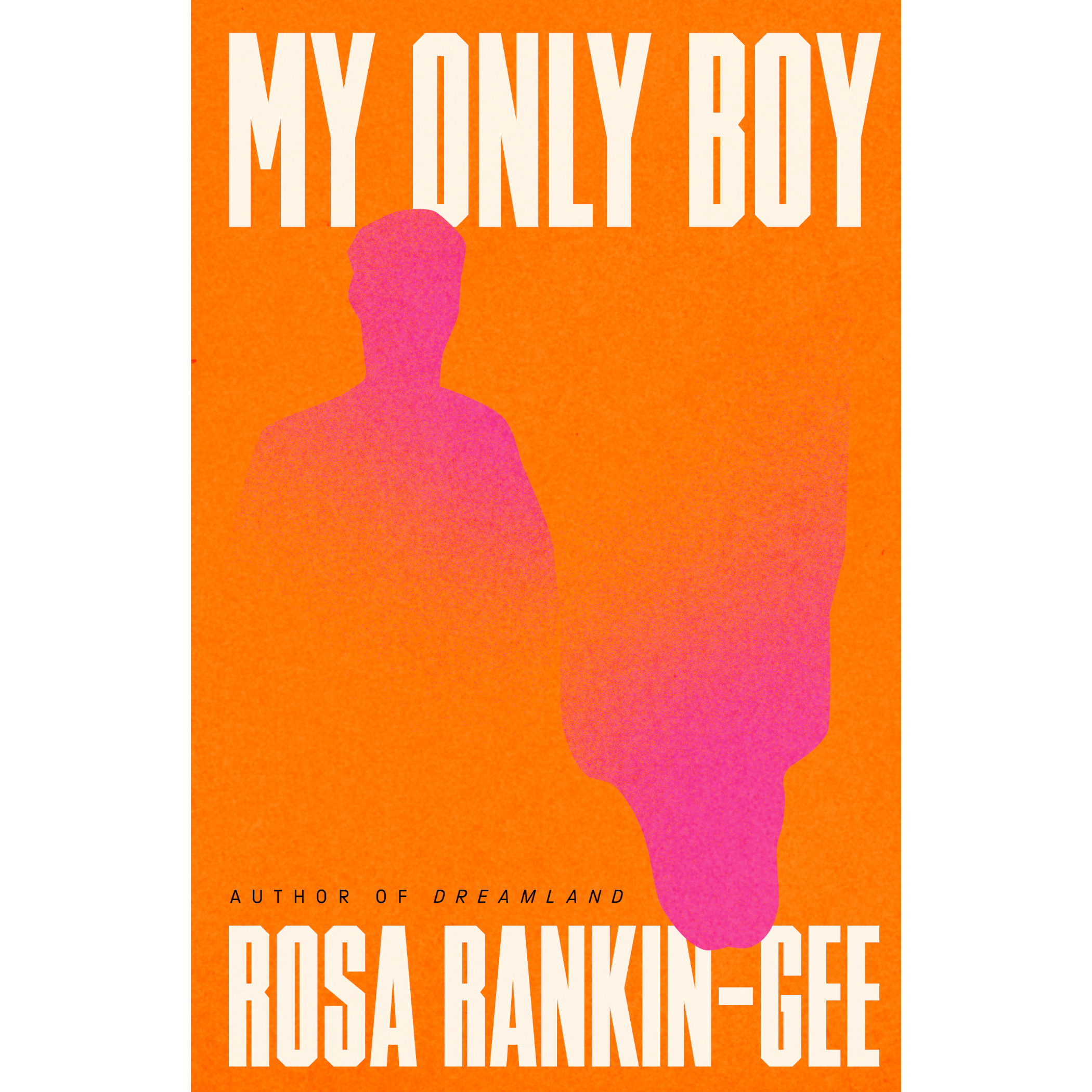
My Only Boy | By Rosa Rankin-Gee | Signed copies available
It is Elle’s job to manage disasters. But lately things have started to spin out of control. At work, the latest catastrophe has been live-streamed to the nation. A shock election sees an extreme-right coalition storm to power.
Then, on a night so hot it feels like London’s pavements are melting, she meets Ed. Elle and Ed are not meant to be drawn to each other. Elle has only ever been attracted to women, and Ed, billed as ‘the great gay novelist of our times’, is about to release his first book. But something inexplicable sparks between them. Can the unexpected attraction they feel last when it presents such a profound challenge to their identity? And as the country fractures and the heat rises, how will they choose between the people they’ve known themselves to be – and the people they are willing to become.
Both an unforgettable love story and a state-of-the-nation thriller, My Only Boy asks universal questions about desire, complicity, and what happens when your sense of self collapses along with the world around you.
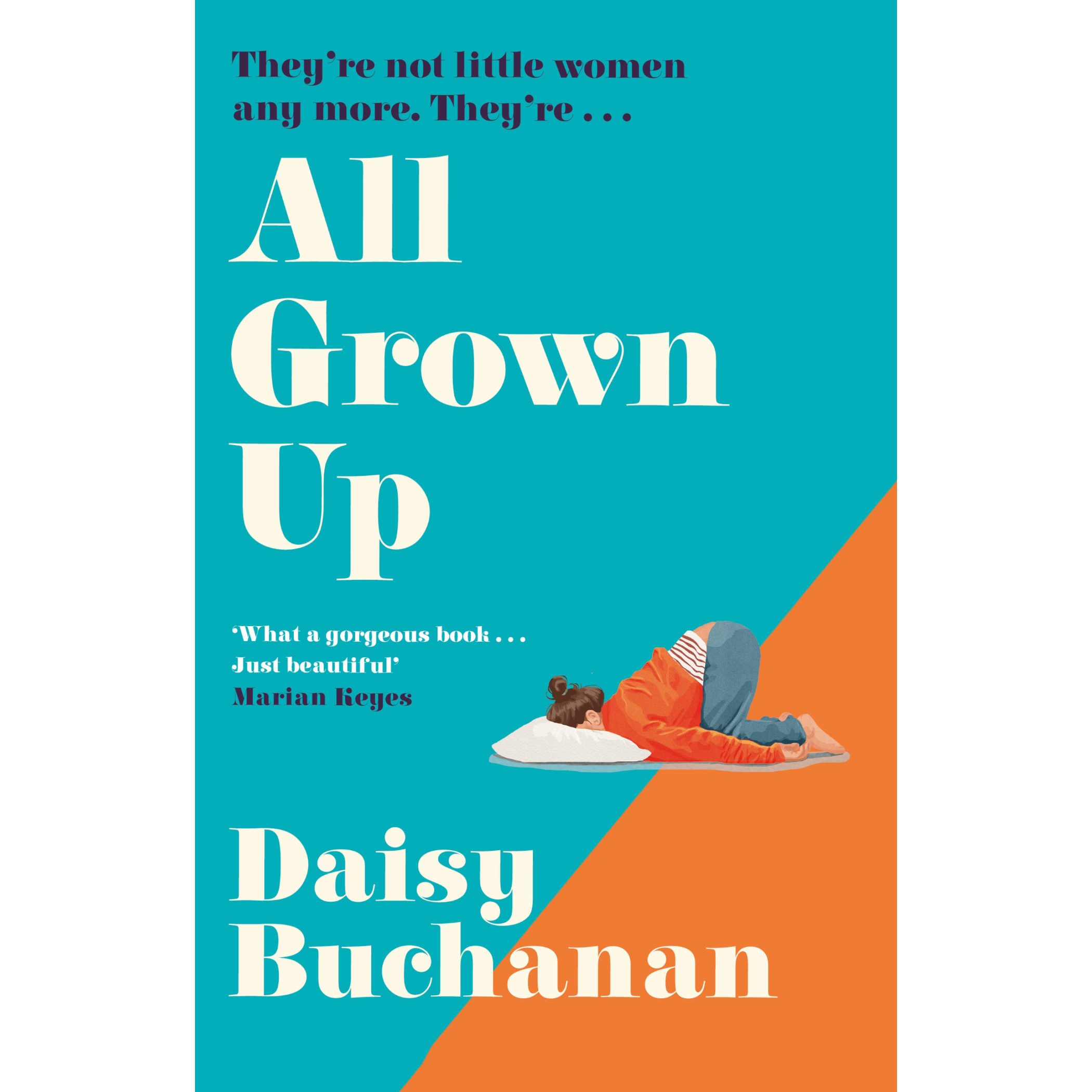
All Grown Up | By Daisy Buchanan | Signed copies available
After thirty long years, Louisa’s daughters can finally look after themselves… or so she thinks. Because suddenly, they’re back – apparently for good.
Meg’s second-guessing her marriage. Jo’s career hangs in the balance. Amy has inexplicably quit university.
None of them empty the dishwasher. Louisa knows it’s time for some life lessons. She adores her girls, but if she’s ever going to get her (sex) life back, they’ll have to grow up – and go.
But maybe they’re not the only ones with lessons to learn… And Louisa might just discover that her daughters have something to teach her about being an adult too.

Art School (in a book): A future artist's guide to contemporary art | By Russell Tovey and Robert Diament | Signed copies available
Do you love art and want to know more but don't know where to start? Introducing Art School (in a book), a virtual gallery where you can see the most exciting contemporary artists of today, as well as some of the greatest from the twentieth century, including Henri Matisse, Jean-Michel Basquiat and Frida Kahlo. And who are the visionaries, the icons, the ones to watch now? With works by Tracey Emin, Antony Gormley, and David Hockney, study the art of 20 key artists working today, find out what inspires them, how they work and the meaning behind their art.
With Russell and Robert as your guides you will also discover the artist within you, with tips on new ways of seeing and reacting to the world around you and guidance on how you can develop your own creativity.
Signed Stock
Signed Stock

Fanzine: The story of football's alternative press | By Daniel Gray
Demonised and left to watch games in decrepit stadiums, life as a football supporter in the 1980s was a demoralising experience. While some fans turned to violence, many more turned to typewriters, Tippex and staple guns to create a mass movement that transformed a bleak time into a hopeful one. Adopting a DIY punk ethos, fanzine founders spread their pages across the land.
Their funny, articulate and occasionally scandalous creations were sold outside grounds from Inverness to Torquay, with most British clubs covered – sometimes by multiple titles. These inky mouthpieces questioned the old order, frightening those who ran the game and provoking many a banning. Through extensive archival research and interviews, Fanzine tells the story of the phenomenon during its boom years.
It offers an alternative history of football in a monumental period – from Heysel to the Premier League, via Hillsborough and Italia ’90 – as witnessed from the stands. Deploying fans’ colourful and often sardonic words, Fanzine transports readers back to the terraces of old, for better or worse – bad Bovril and suspect pies are never far away. Told in book form for the first time, Fanzine is the poignant, nostalgic and absorbing story of an era that changed going to the match forever.
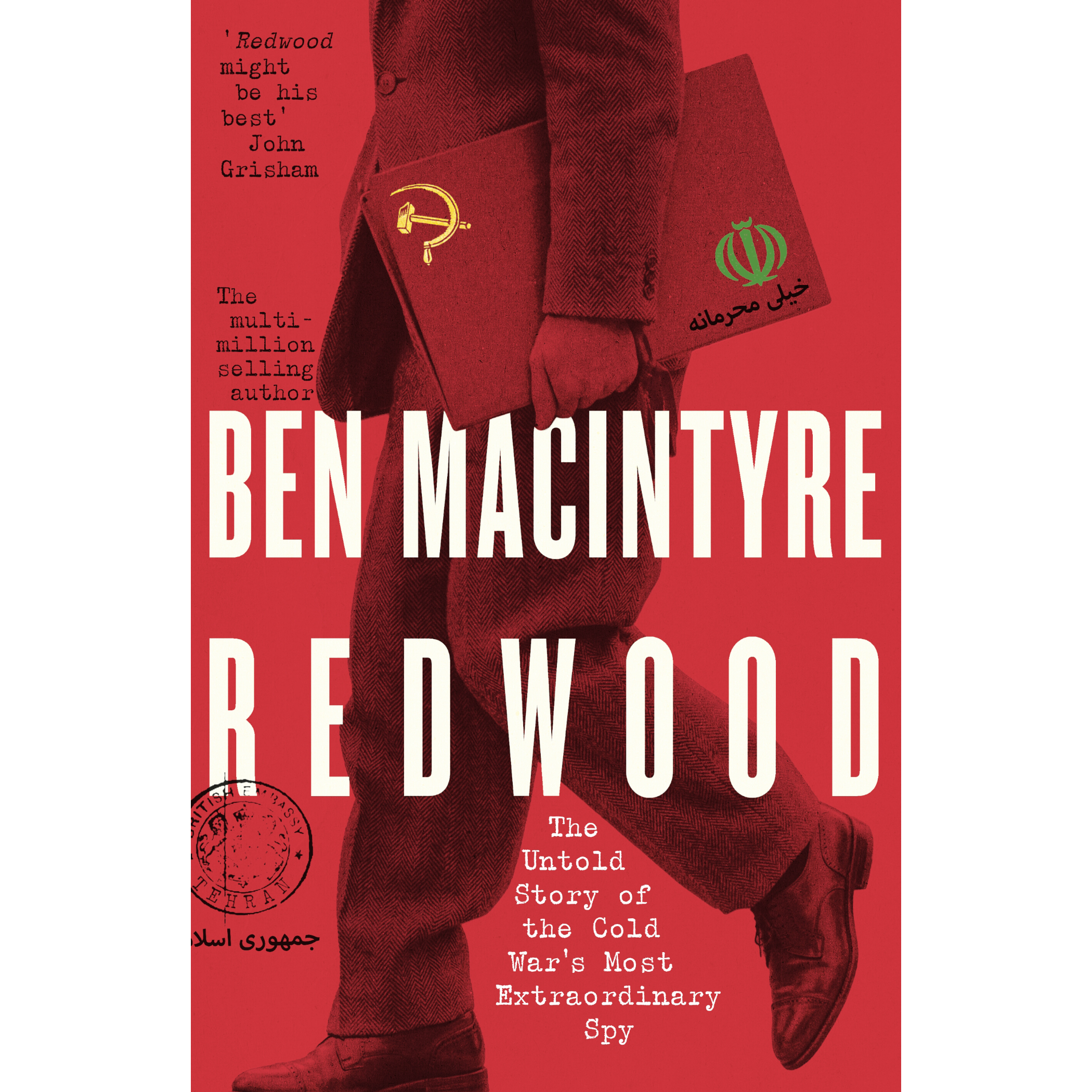
Redwood: The Untold Story of the Cold War's Most Extraordinary Spy | By Ben Macintyre
From the multi-million copy bestselling historian, the remarkable, unknown Cold War story of how one spy saved the world from nuclear war.
The year is 1981. Tehran is in violent turmoil in the wake of the Iranian Revolution. The Soviets are planning to overthrow the Ayatollah’s fledgling Islamist regime. If they do so, one response from America – unknown to the public – would be to use nuclear weapons.
This is the story of how at the height of the Cold War, one mysterious double agent, known to MI6 as ‘Redwood’, revealed the Kremlin’s secret plot and prevented Armageddon. This unsung, hitherto unknown hero of the Cold War, a six-foot-four Russian intelligence officer, had a problem, a sexual secret, one that if revealed, would turn his life upside-down. So he reached out to MI6, believing it to have the only solution – in return for the KGB’s deepest secrets.
And then, facing exposure, he demanded that the British try to smuggle him out of Iran in a high-stakes escape plan. This is the gripping tale of one man’s courage; about friendship, marriage, betrayal and sexual dysfunction; and about how decisions made in secret can have huge, long-term ramifications.
Drawing on never-before-seen material from archives in multiple countries, and interviews with officers from MI6 and MI5, the KGB and CIA, Redwood lifts the lid on how espionage really works, and on an unknown and highly significant Cold War victory. For without Redwood, our world would be very different – and might not exist at all.
More | By Gillian Anderson
‘Am I a bad person? Or am I allowed to wonder “what if”?’.
‘Is this kind of desire simply something people feel but don’t speak about?’.
‘What is a woman without fantasy?’.
More pleasure, more kink, more partners, more zest – this is desire turned all the way up. If Want sparked the fire of a quiet revolution, More gives women the fuel to let it roar.
In this electrifying sequel to the landmark bestseller, Gillian Anderson invites us to leave shame and fear at the door as she dials up the heat on women’s sexual fantasies and dares us to want more. This collection of intimate letters – submitted by anonymous women across the globe, curated and introduced by Gillian – dives deeper into what women everywhere think, feel and dream about in their most private moments. Spilling out of the bedroom, the letters take us to all spaces where desire resides, from office boardrooms to kitchen counters, school gates to forest floors.
Bolder and more explicit, they come from over fifty nations and women from eighteen to eighty. Nothing is off limits: there are silken ropes and stirrups, metal collars and machines, neighbours, friends, in-laws and strangers, cravings to own and be owned, people to desire and be desired by, pleasure and pain in equal measure. Joyful, unapologetic and deliciously unfiltered, More proves that the freedom for women to fantasise without restraint is as exhilarating and vital as ever.
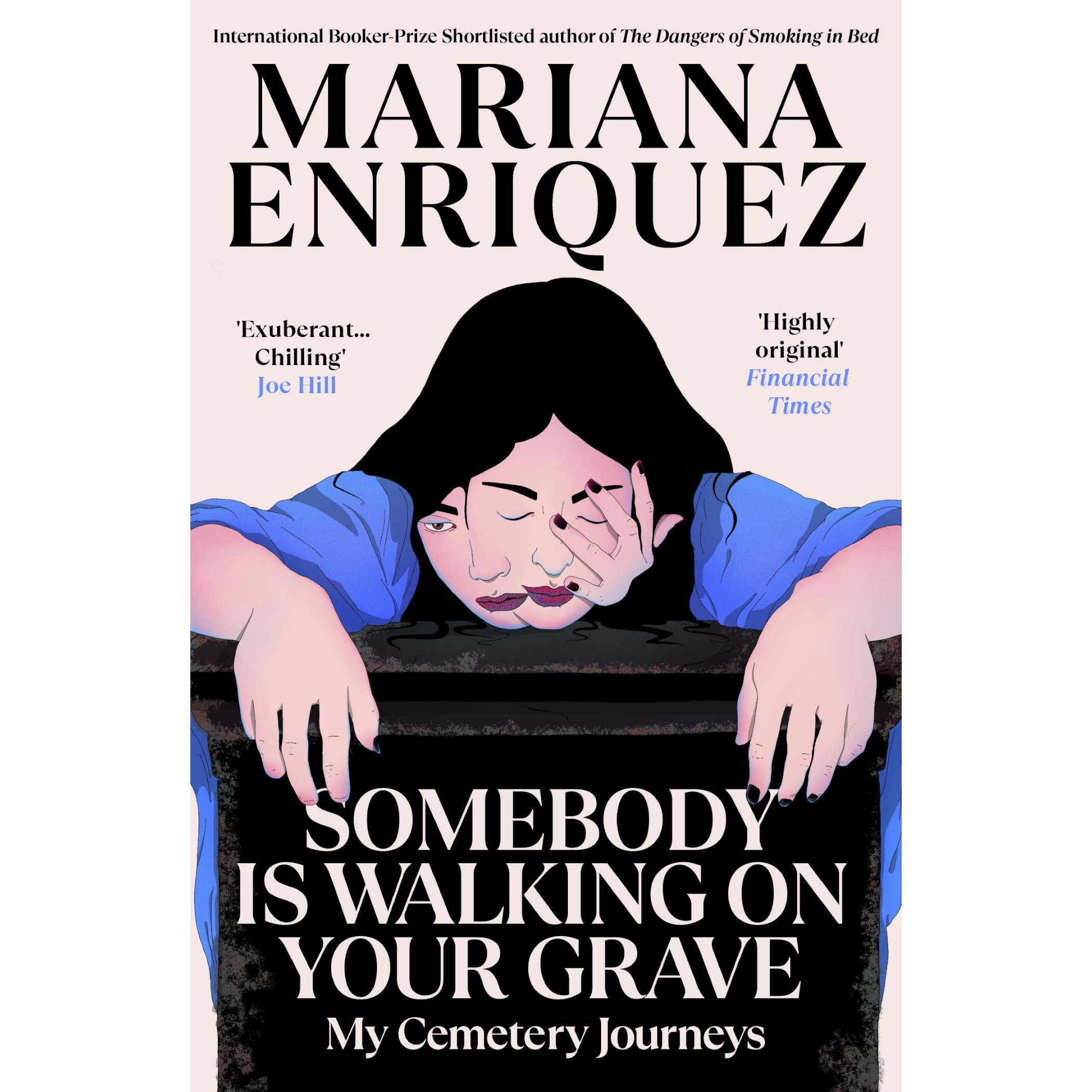
Somebody Is Walking on Your Grave: My Cemetery Journeys | By Mariana Enriquez | Translated by Megan McDowell
In Somebody is Walking on Your Grave, Mariana Enriquez blends journalistic rigour and her fascination with the macabre as we encounter famous graveyards steeped in history, such as Montparnasse in Paris, Highgate in London, and the Jewish cemetery in Prague, as well as more remote, decrepit, hidden, or secretly beautiful ones. These pages are full of the graves of famous figures - Elvis in Memphis, Karl Marx in London - mournful sculptures, traces of voodoo, catacombs, skeletons and an array of legends and stories. Mariana's personal journey weaves through haunting narratives, transforming burial grounds into spaces of reflection, obsession, and emotional discovery between the living and the dead.
From the haunting statues of Staglieno in Genoa to the eerie silence of Rottnest Island's hidden Aboriginal cemetery, Enriquez's narrative shifts effortlessly between travelogue, essay, and memoir. In her unique voice, cemeteries transform into living, breathing places of reflection, obsession and revelation. As she roams, each cemetery becomes a lens through which she examines everything from colonial violence to the strange rituals surrounding death.
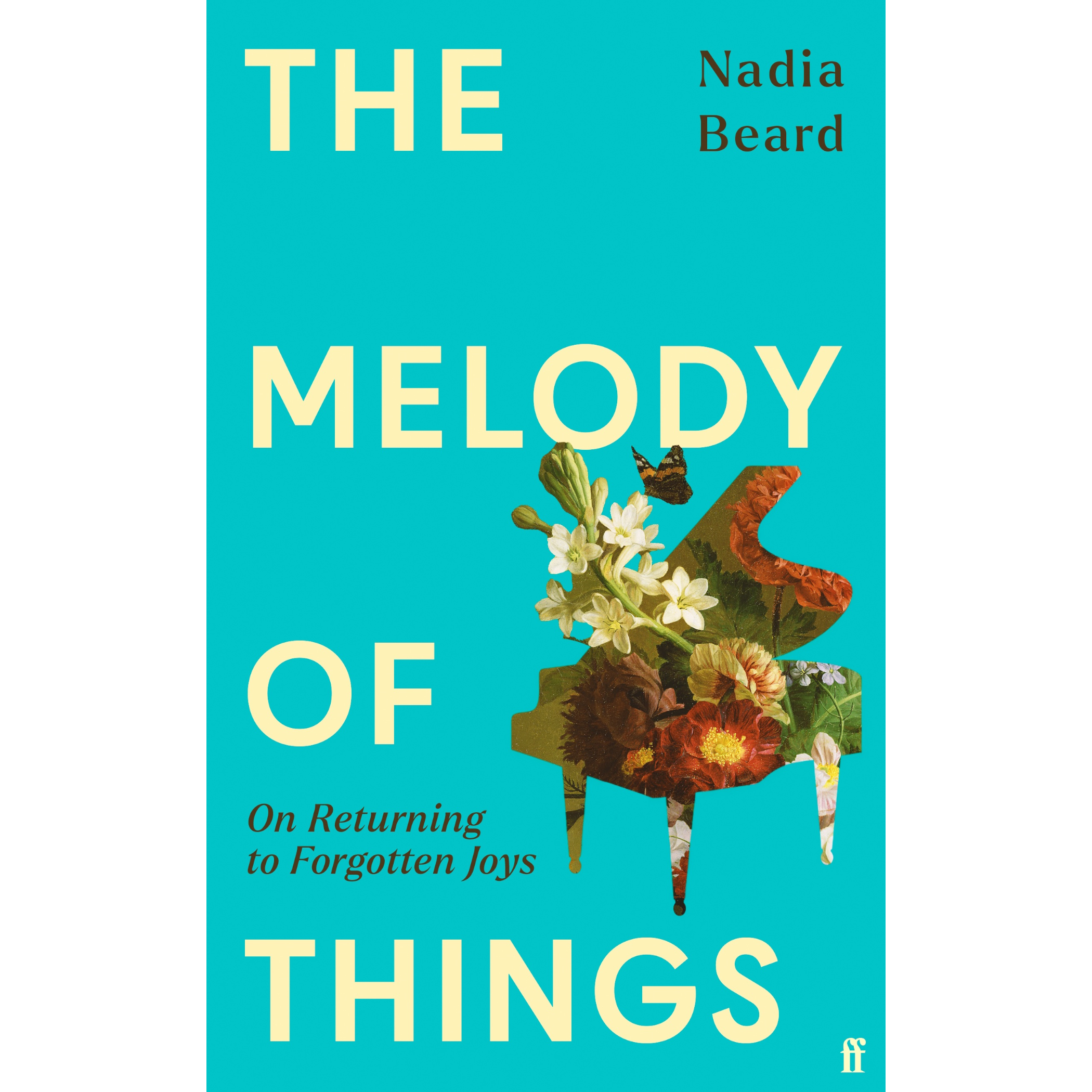
The Melody of Things: On Returning to Forgotten Joys | By Nadia Beard
How do we lose touch with the things we love? And is it possible to find our way back to them?
These pressing questions drive Nadia Beard on a quest to reclaim the dreams of her childhood for her adult self. Many, if not most of us, set aside the pursuits of youth once the reality of working life sets in, leaving the joys and skills of those days far in our slipstream.
The Melody of Things depicts what coming back to those early loves entails, as Beard uproots her life to return to study the piano, years after she had stopped playing as a teenager. Beard explores the pleasures, frustrations and revelations of re-dedicating herself to the instrument as an amateur. Her story is an invitation: to seek out the restorative power waiting to be discovered in the pieces of ourselves we have, perhaps unknowingly, lost to time.
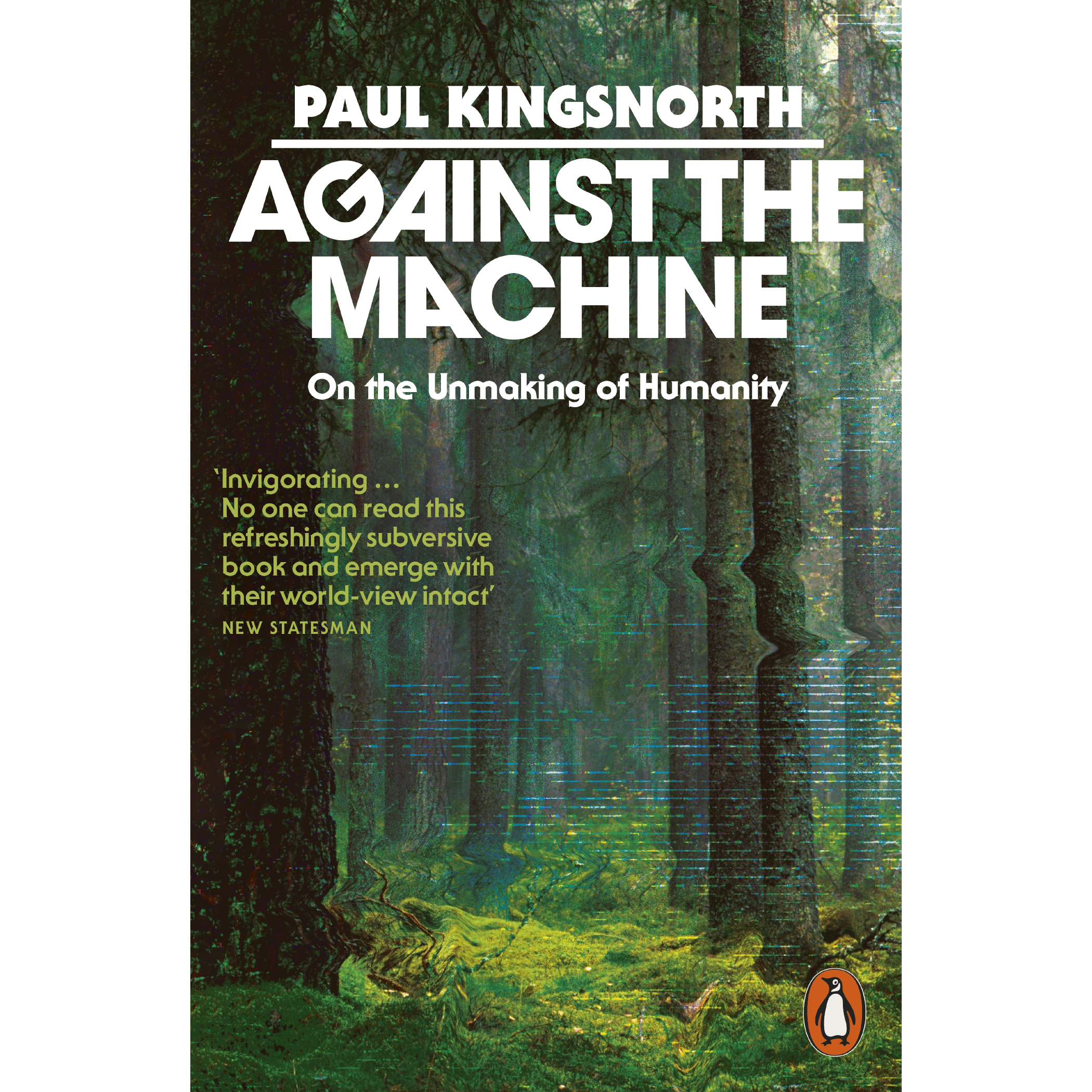
Against the Machine: On the Unmaking of Humanity | By Paul Kingsnorth
How a force that’s hard to name, but which we all feel, is reshaping what it means to be human. In Against the Machine, “furiously gifted” novelist, poet, and essayist Paul Kingsnorth presents a wholly original—and terrifying—account of the technological-cultural matrix enveloping all of us.
With insight into the spiritual and economic roots of techno-capitalism, Kingsnorth reveals how the Machine, in the name of progress, has choked Western civilization, is destroying the Earth itself, and is reshaping us in its image. From the First Industrial Revolution to the rise of artificial intelligence, he shows how the hollowing out of humanity has been a long game—and how your very soul is at stake.
It takes effort to remain truly human in the age of the Machine. Here Kingsnorth reminds us what humanity requires: a healthy suspicion of entrenched power; connection to land, nature and heritage; and a deep attention to matters of the spirit. Prophetic and poetic, Against the Machine is a spiritual manual for dissidents in the technological age.
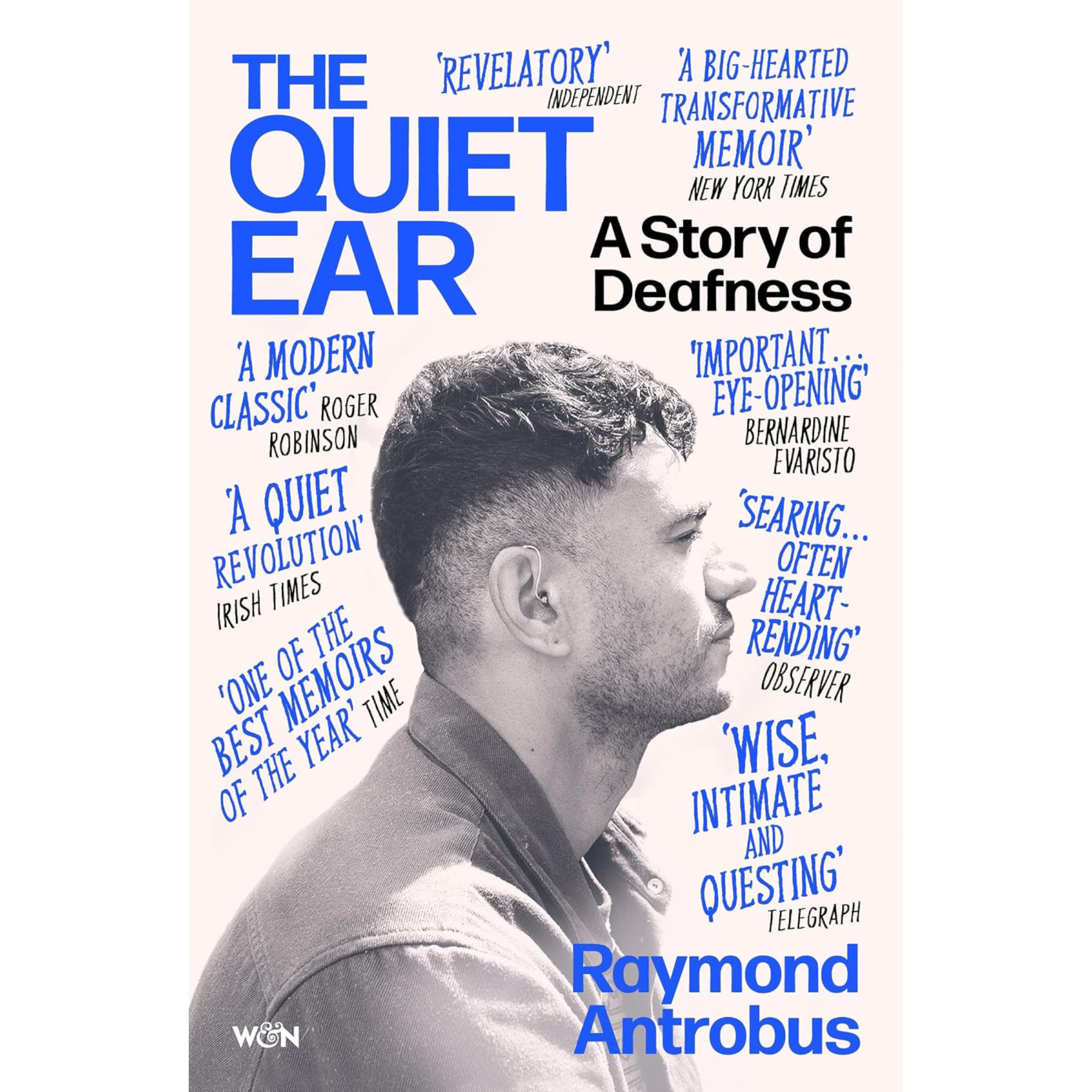
The Quiet Ear: An Investigation of Missing Sound | By Raymond Antrobus
Raymond Antrobus was first diagnosed as deaf at the age of six. He discovered he had missing sounds - bird calls, whistles, kettles, alarms. Teachers thought he was slow and disruptive, some didn't believe he was deaf at all.
The Quiet Ear tells the story of Raymond's upbringing at the intersection of race and disability. Growing up in East London to an English mother and Jamaican father, educated in both mainstream and deaf schooling systems, Raymond explores the shame of miscommunication and the joy of finding community, and shines a light on the decline of deaf education in Britain. Throughout, Raymond sets his story alongside those of other D/deaf cultural figures, from painters to silent film stars, poets to performers - the inspiring models of D/deaf creativity he did not have growing up.
The Quiet Ear is a groundbreaking and much-needed examination of deafness. A memoir, a cultural history, a call to action.

Deadwood: Gold, Guns and Greed in the American West | By Peter Cozzens
Infamous for its stage-coach robbing, whiskey-guzzling and rampant prostitution, the gold rush settlement of Deadwood, South Dakota, was once described as 'the most diabolical town on Earth'. Built in 1876 on land brazenly stolen from the Lakota people, it was an outlaw enterprise not subject to US laws or governance.
In Deadwood, award-winning historian Peter Cozzens sifts through myth and legend to recount the town's meteoric rise - a place where the currency was gold dust - and its stunning fall. He reveals how Deadwood's foundation bred a self-reliance and a spirit of cooperation unique on the frontier, making it an exceptionally welcoming place at a time of deep-seated discrimination.
Along the way, Cozzens pulls back the curtain on legendary figures Wild Bill Hickok and Calamity Jane, and introduces us to colourful Deadwoodites: from Jack Langrishe to Judge Kuykendall, and Seth Bullock to Sol Star. This is the first book to tell Deadwood's extraordinary story in full, revealing the true tale of how one frontier town, in only three years, imprinted itself on our imaginations as the best and worst of the West.
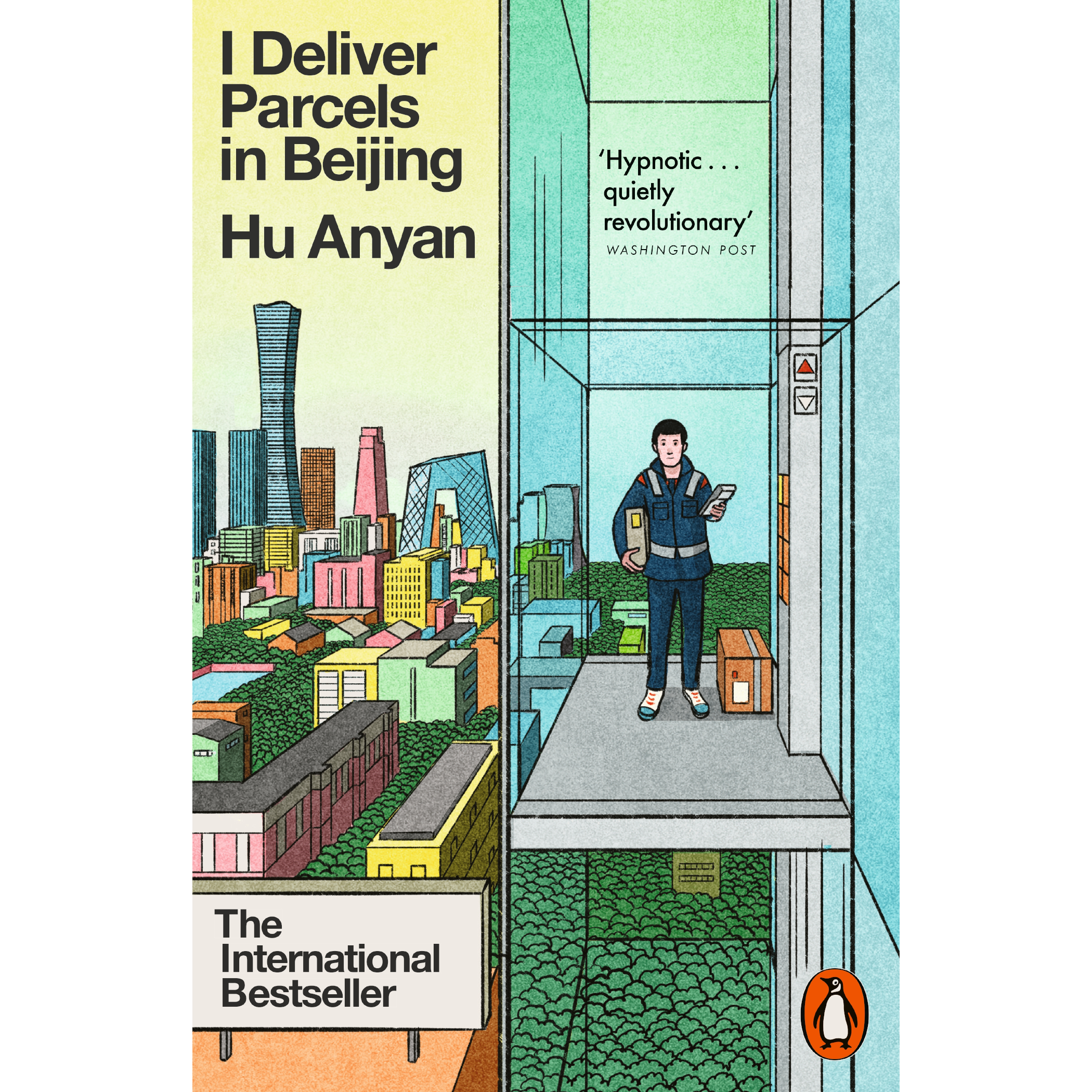
I Deliver Parcels in Beijing: On Making a Living | By Hu Anyan | Translated by Jack Hargreaves
Hu AnYan has held nineteen different jobs since he graduated. He’s been a convenience store clerk, a bicycle salesman, a security guard and a delivery driver (among many other things). Every time the work gets punishing or the bosses too bossy, he moves on, from city to city, carrying with him nothing but his copies of Chekhov and Carver.
This is his story. A runaway bestseller in China, I Deliver Parcels in Beijing is about what it’s like to try and make a living – and stay sane – in the gig economy. From the pecking order on a parcel-sorting factory floor to the perfect alcohol dose to get some daylight shut-eye before a punishing night shift, from the Kafkaesque bureaucracy of the hiring departments to the ideal layout of a delivery route, Hu illuminates the hidden lives behind the roles that keep our world going.
But he also shows how, through the liberating power of literature, he finds solace, and even freedom in his existence. Quietly radical, brimming with humanity and humour, this book asks: what does work really mean? What should it mean? And do any of us really know how to live?
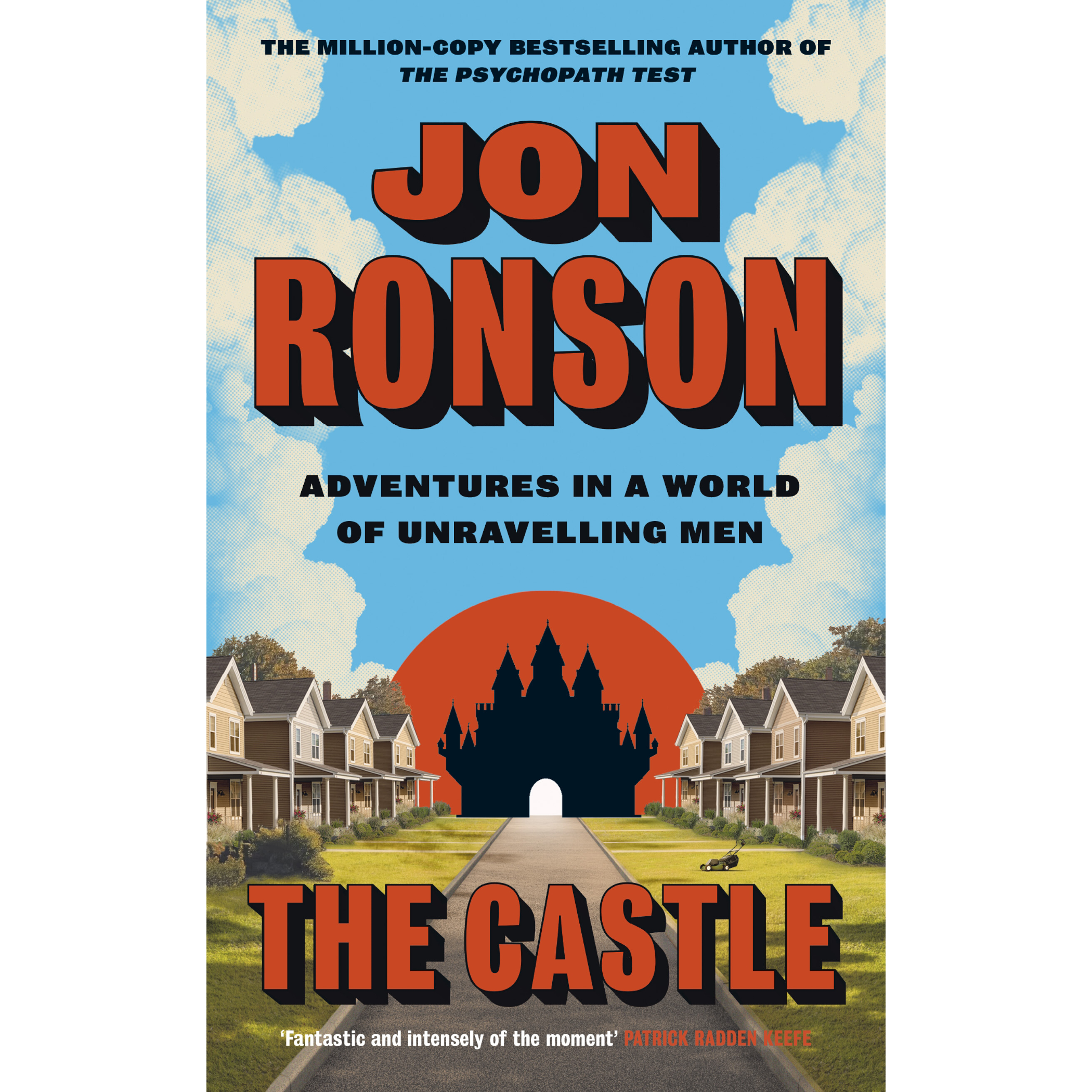
The Castle: Adventures in a World of Unravelling Men | By Jon Ronson
I honestly have no clue what is going on.
This is very weird.
We left. Was completely fucked. All good now.
When Jon Ronson received a series of disquieting texts from his son Joel who’d been lured to a mysterious castle in the forests of New England late one night, it sets Ronson Sr. off on an adventure into an underworld of unmoored and disaffected men.
As Jon deepens his investigation into the castle and the wider ‘man crisis’ – where some are feeling tossed around in a sea of conflicting ideologies of what it means to be a man – urgent questions come to light. What exactly is ‘Princessing’? Why did a lawn care influencer dress as a baby in front of billions of online viewers, with catastrophic results? And more pressingly, why are two recently released murderers on their way to pay Jon a visit?
From the death of utopian factory towns to the false promise of YouTube influencer culture, Jon shows us our rapidly changing world like never before, and the men caught in the middle. A world drained of purpose, of collapsing institutions, where a new era of disinhibited behaviour has taken hold of our online and real-world selves. And as the castle mystery twists and turns into a cat-and-mouse story, will Jon be able to discover its terrifying secret hidden from the world?
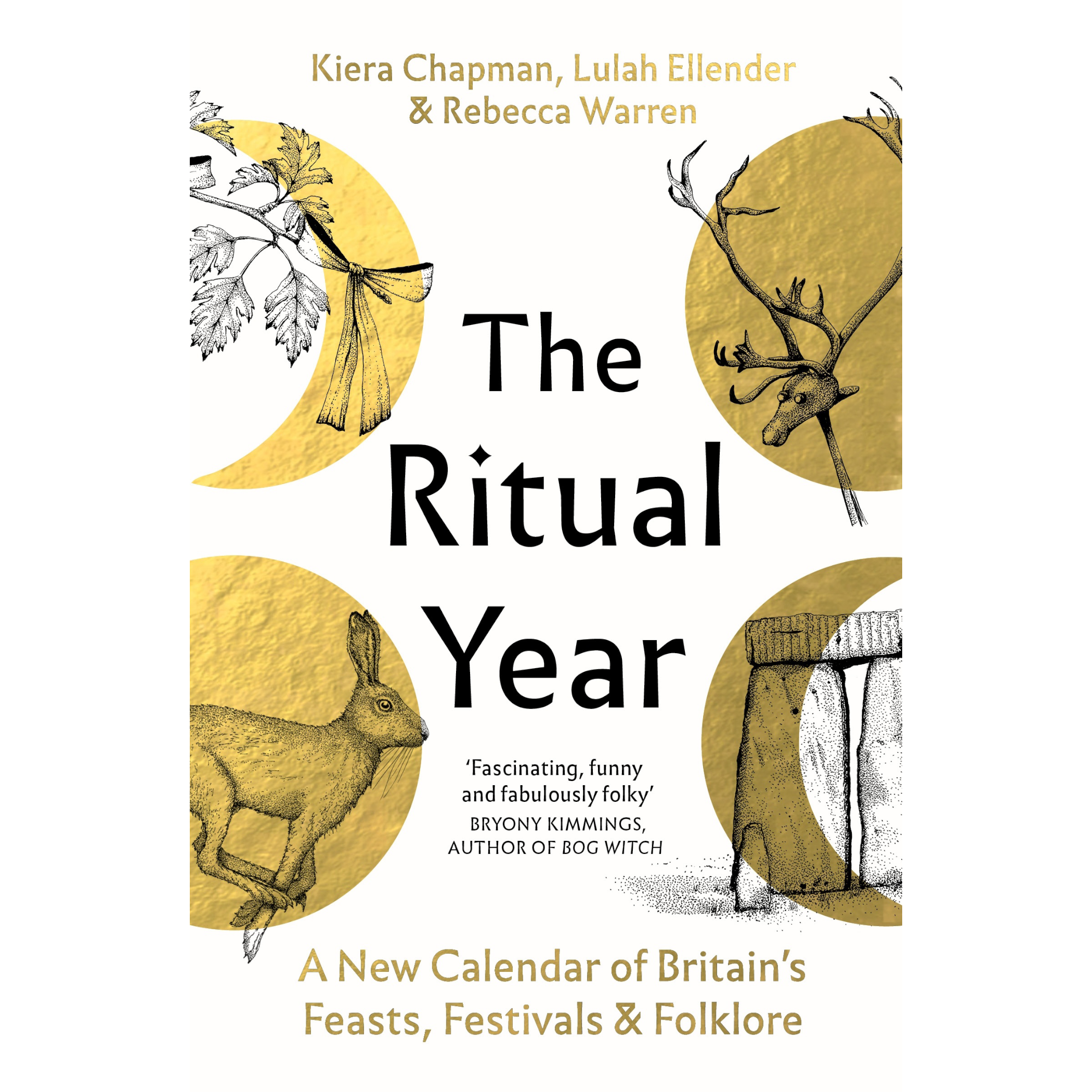
The Ritual Year: A New Calendar of Britain's Feasts, Festivals and Folklore | By Kiera Chapman, Lulah Ellender & Rebecca Warren
Wassails and plough blessings, cheese rolling and well dressings, Bradford's Mela and the Notting Hill Carnival, summer hen races and festive sword-dancing... On any given week, somewhere in Britain, you will find people gathering - to mark a moment in the agricultural year, to commemorate an event in local history, to herald the beginning of a new season or bid farewell to the old. Some of these rituals have been passed down through the centuries; some are newer or recently revived; some have a deep connection to the British landscape or folklore, and some have been carried from other cultures and taken root here.
In this revelatory and beautifully illustrated guide to a living tradition of rites and rituals, we journey through some of the gatherings that shape our year, challenge our understanding of the past, and give pattern and meaning to communities across Britain today.
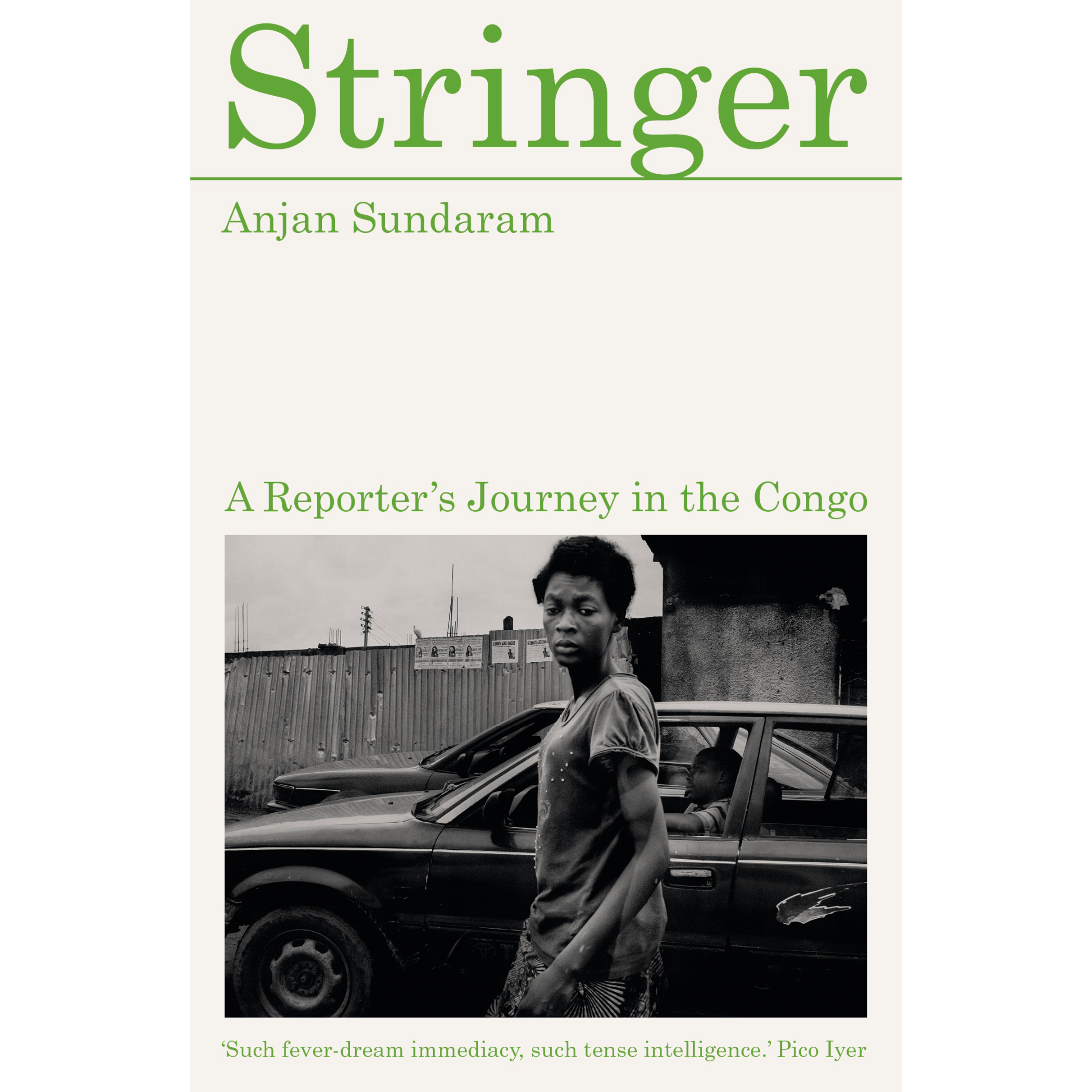
Stringer: A Reporter's Journey in the Congo | By Anjan Sundaram
A Congolese legend has that God, tired after creating the world, stopped at this part of the earth and dropped all his sacks of riches.
Written with startling beauty and acuity, Stringer is an account of the year and a half that Anjan Sundaram spent in the Congo working on the bottom rung of the Associated Press. It was an intense period that would take him deep into the shadowy city of Kinshasa, to the dense rainforests that still evoke Conrad’s vision, and to the heart of Africa’s great war, culminating in the historic and violent multiparty elections of 2006. Along the way he would go on a joyride with Kinshasa’s feral children, fend off women desperate for an escape route, and travel with an Indian businessman hunting for his fortune.
A breathtaking work of reportage that is both a gripping journey through a troubled country and an astonishing story of self-discovery.
New & Featured
Non-Fiction
Fetch | By Colin Bramwell
In Celtic folklore a fetch is a shadowy doppelganger that appears from the Otherworld, portending the beholder’s fate. Your fetch ‘fetches’ you to the afterlife, willingly or otherwise. Bramwell’s poetry uses the fetch as a model to explore a number of overlapping binaries - between the reader and the poem, most of all.
Fetch also meditates on the differences between music and speech, the sacred and the profane, the written and the real, humanity and nature, Scots and English. Incorporating multitudes of modes, forms, registers and subjects, Bramwell converses with the Anglo-Celtic lyric tradition in our own time and in his own distinctively amiable fashion. In other words, this poet takes poetry seriously - but not too seriously.
Fetch is an astonishingly musical tour-de-force from one of Britain’s most exciting new poets, in which reverence and irreverence, religion and faithlessness, the living and the dead, nearly rhyme.
On Difficulty (and Poetry) | By Lavinia Greenlaw
A book that uses poetry to talk about difficulty, and vice versa. As Lavinia Greenlaw readily admits, 'The idea of poetry tends to make people feel stupid, anxious or bored.' Poetry can appear to be inherently 'difficult'; our immediate impulse, to baulk or turn away.
But in this wonderfully lucid investigation, Greenlaw invites us to do the opposite: to dwell with her in the uneasiness of difficulty. She looks at why we might both crave and fear difficulty, how we use and perform it, how our relationship to it might expose habits of thought and approach that can be productively dismantled.
By entertaining the possibility of difficulty, she argues, we might allow ourselves to get more truthfully at what it is we really need to say. With characteristic poise and clarity, and using plentiful examples, Greenlaw turns over moments of opacity and resistance to show us how difficulty might in fact contain its own solution.
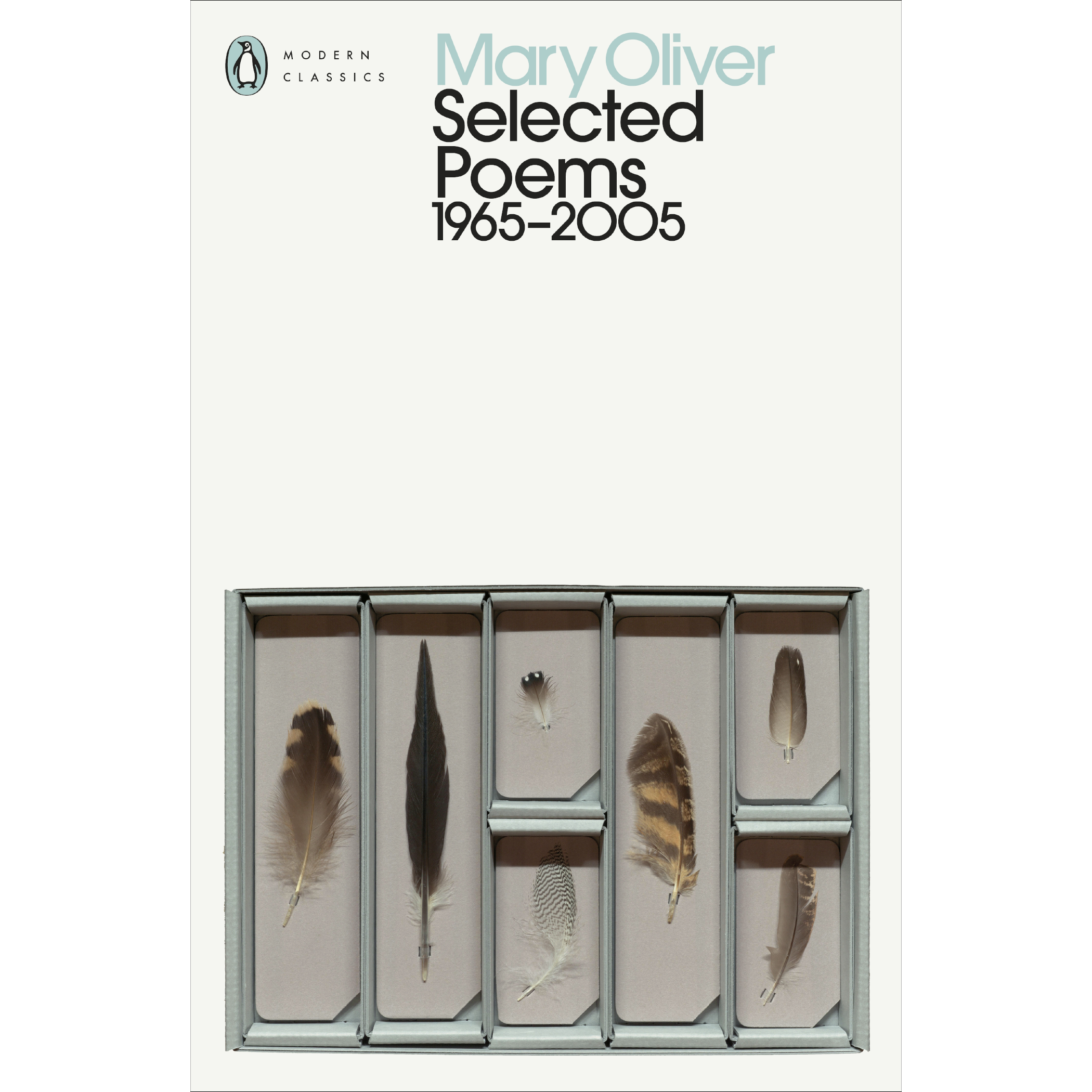
Selected Poems 1965-2005 | By Mary Oliver
I don't know exactly what a prayer is.
I do know how to pay attention, how to fall down
into the grass, how to kneel down in the grass,
how to be idle and blessed, how to stroll through the fields,
which is what I have been doing all day.
Tell me, what else should I have done?
Few modern poets are as beloved or as quoted as Mary Oliver. Spanning the major decades of her long career, this collection showcases Oliver’s remarkable lyrical powers and her reverential attention to the natural world. Her poetry sees life everywhere and asks what to do with it – how can we find our place among such beauty, such pain?
Populated by wading birds, early snowfalls, and swaying cornfields, her reflections are the record of a life spent walking alone in the wild. These timeless poems meet and touch their reader in any season of life, brightened by Oliver’s gift for amazement, shadowed by her constant awareness of harshness and death. Her words teach us to live with our eyes open wider.
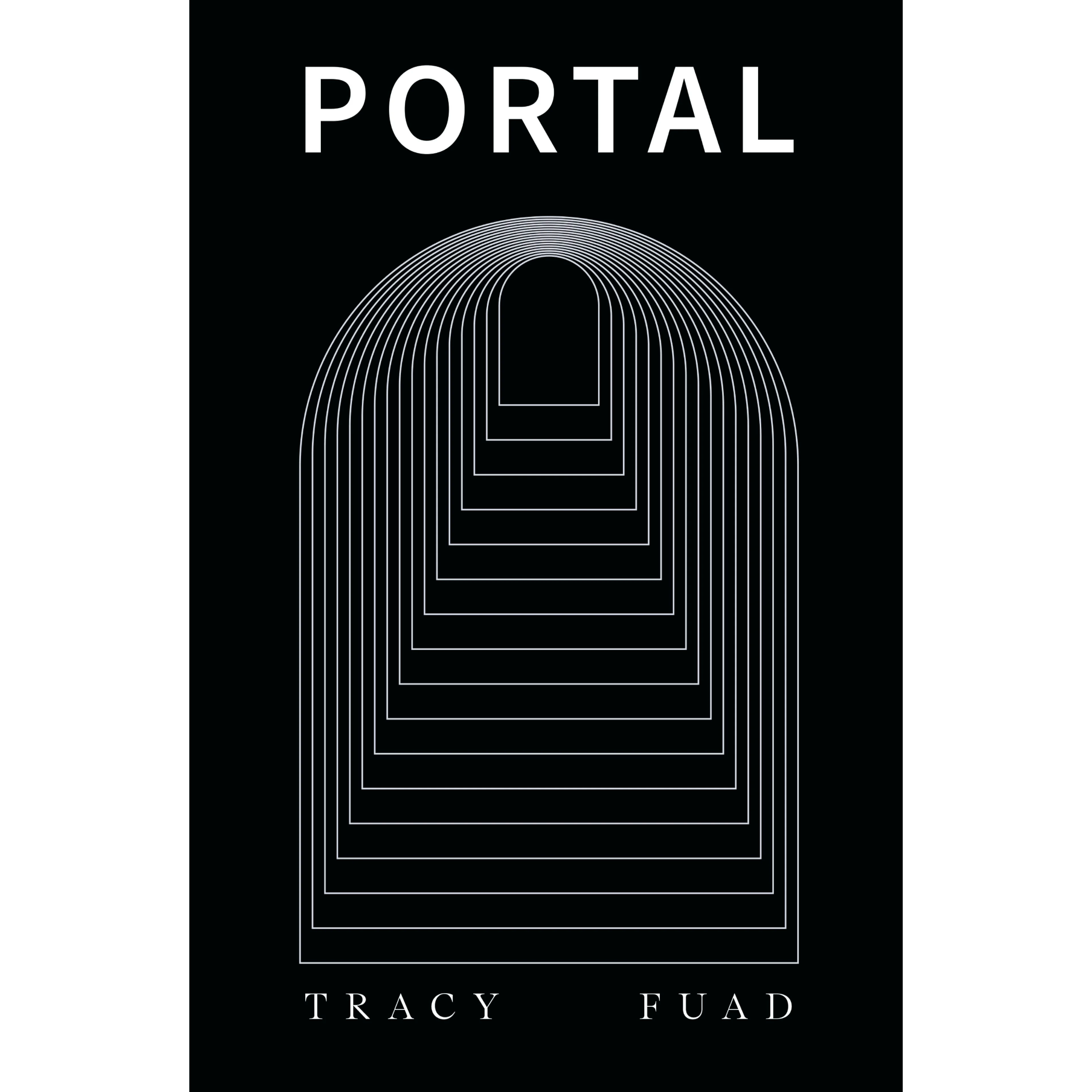
PORTAL | By Tracy Fuad
Tracy Fuad’s second collection of poems, PORTAL, probes the fraught experience of bringing a new life into a world that is both lush and filled with gloom. A baby is born in a brutalist building; the planet shrinks under the new logic of contagion; roses washed up from a shipwreck centuries ago are blooming up and down the cape. PORTAL documents a life that is mediated, even at its most intimate moments, by flattening interfaces of technology and in which language — and even intelligence — is no longer produced only by humans.
The voices here are stalked by eco-grief and loneliness, but they also brim with song and ecstasy, revelling in the strangeness of contemporary life while grieving losses that cannot be restored. Through Fuad’s frank, honest poetry, PORTAL vibrates with pleasure and dread.
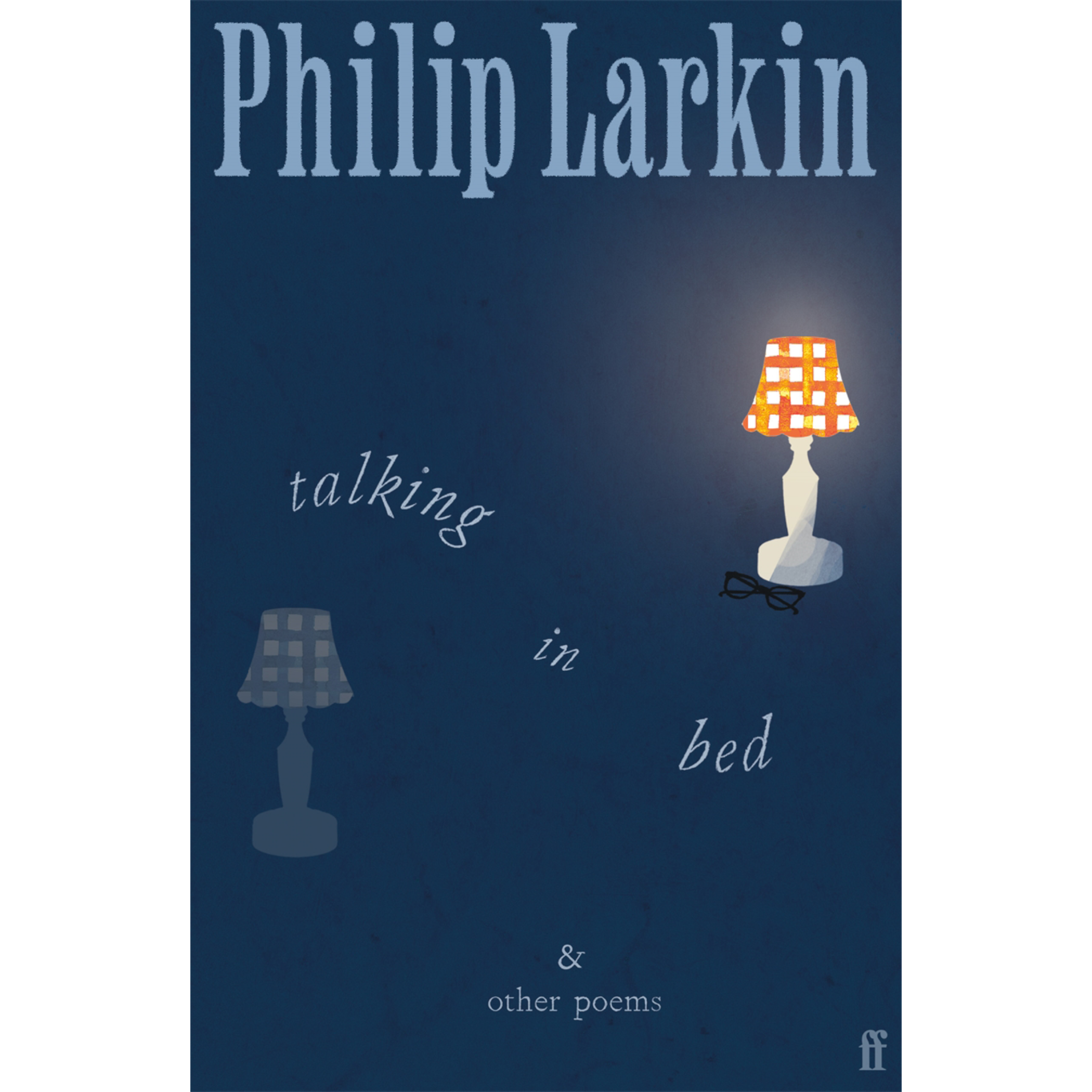
Talking in Bed: And other Poems | By Philip Larkin
The essential pocket edition of this most beloved and quoted of poets.
Our almost-instinct almost true:
What will survive of us is love.
In lines perfectly constructed and as beautiful as they are plain-spoken, Philip Larkin found a way of delineating our most difficult emotions – giving them back to us in images and formulations that help us both comprehend and contain ourselves. His is a fine-tuning that turns ‘true and kind’ more truthfully into ‘not untrue and not unkind.’ These are poems to live with and through, from the trenchant assertion of ‘They fuck you up. . .’, to the transcendent image-making of ‘High Windows’:
Rather than words comes the thought of high windows:
The sun-comprehending glass,
And beyond it, the deep blue air, that shows
Nothing, and is nowhere, and is endless.
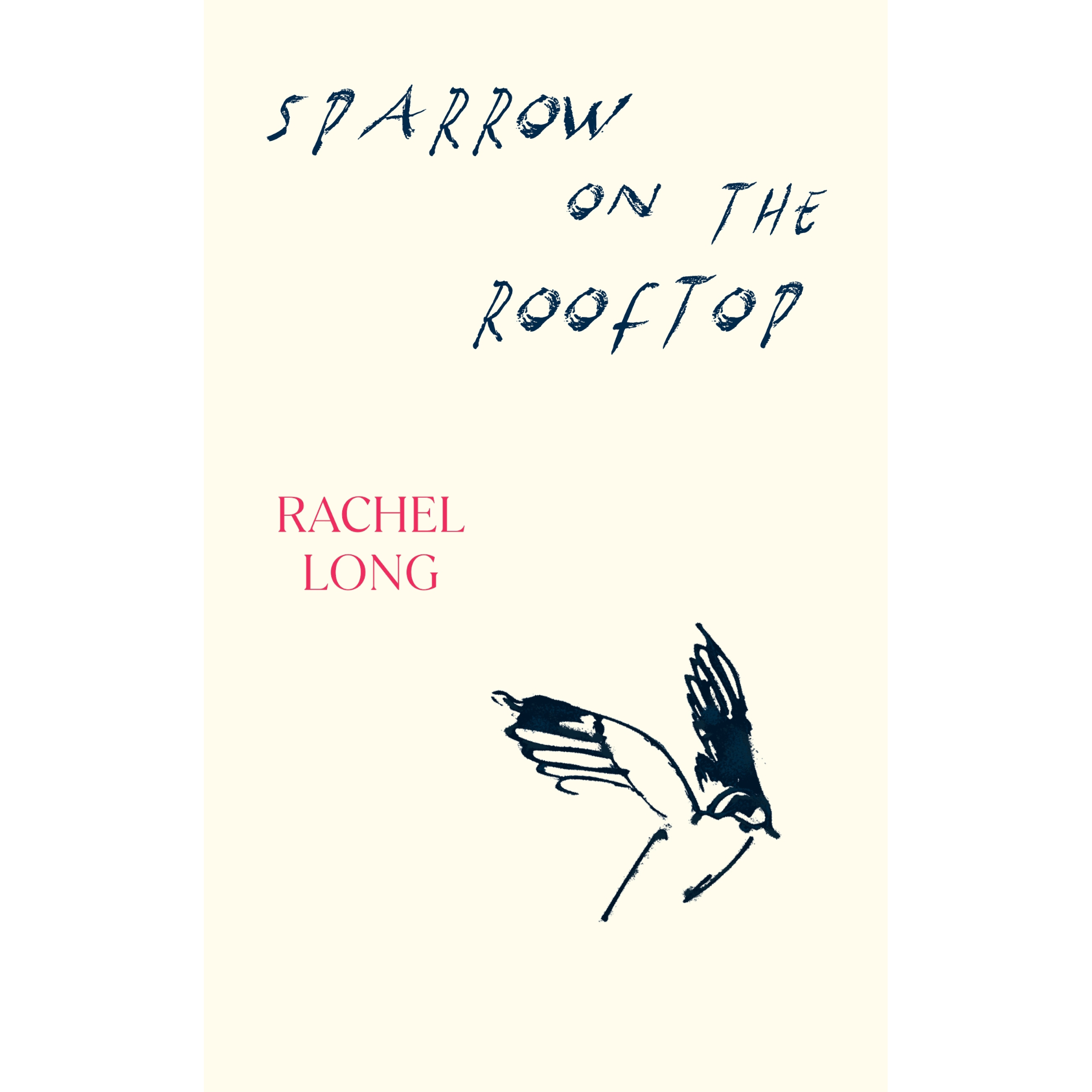
Sparrow on the Rooftop | By Rachel Long
Rachel Long’s vivid new collection is a study of toxic love, crisis and recovery, at once moving and whip-smart, from one of our brightest stars in poetry. 'At first you eat less because you’re happy, / so fricking happy, the way you are in high summer / when you just can’t because of the sun.' Sparrow on the Rooftop tells a story of new love: the summer-like giddiness of it, the ferocity of obsession, and the stark hollowing of absence.
Alongside this affair, and unleashed by its intensity, unfolds another story, half-buried, about our young narrator’s uneasy relationship with her body: ‘Black girls// don’t get/ eating disorders./ That’s a white girl/ thing.’ Desire, indulgence, denial, and transformation are some of the themes that animate this engrossing, at times frighteningly intimate, narrative collection. With fierce wit and uncommon insight, Sparrow interrogates the self and other, and the experience of self as other.
These remarkable, penetrating, headlong poems chart disorder and desire, break-up and breakdown, and the hard path towards recovery, confirming Rachel Long as one of the most gifted poets of her generation.
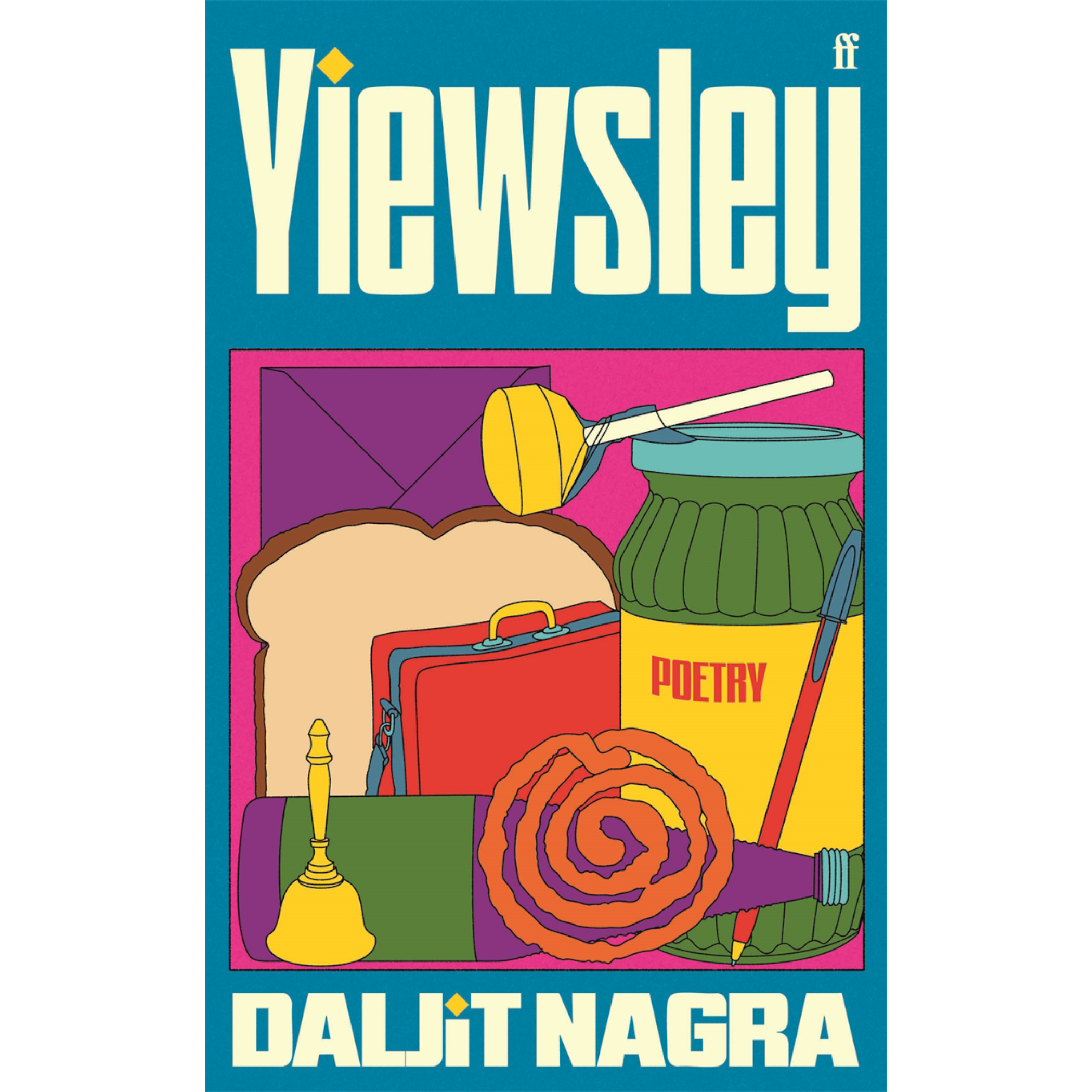
Yiewsley | By Daljit Nagra
A spirited and stirring return to the poet's boyhood and the town that made him.
This autobiographical collection candidly explores Daljit Nagra's experiences growing up from the sixties to the eighties in the predominantly white working-class town of Yiewsley, close to Heathrow airport in Outer London.
As Britain transitions from a post-war manufacturing economy to the Thatcher years and the computer age, we see a young boy navigating childhood friendships and mishaps. The poems bring to life a bustling house filled with relatives from India, who had arrived, legally or otherwise, in the UK: 'devout realists already, and always, knuckled into work'.
They also offer powerful insight into the makings of the writer: the 'messy English' at home fusing with Bollywood ballads, Top of the Pops and hymns at school, to develop a voice entirely his own.
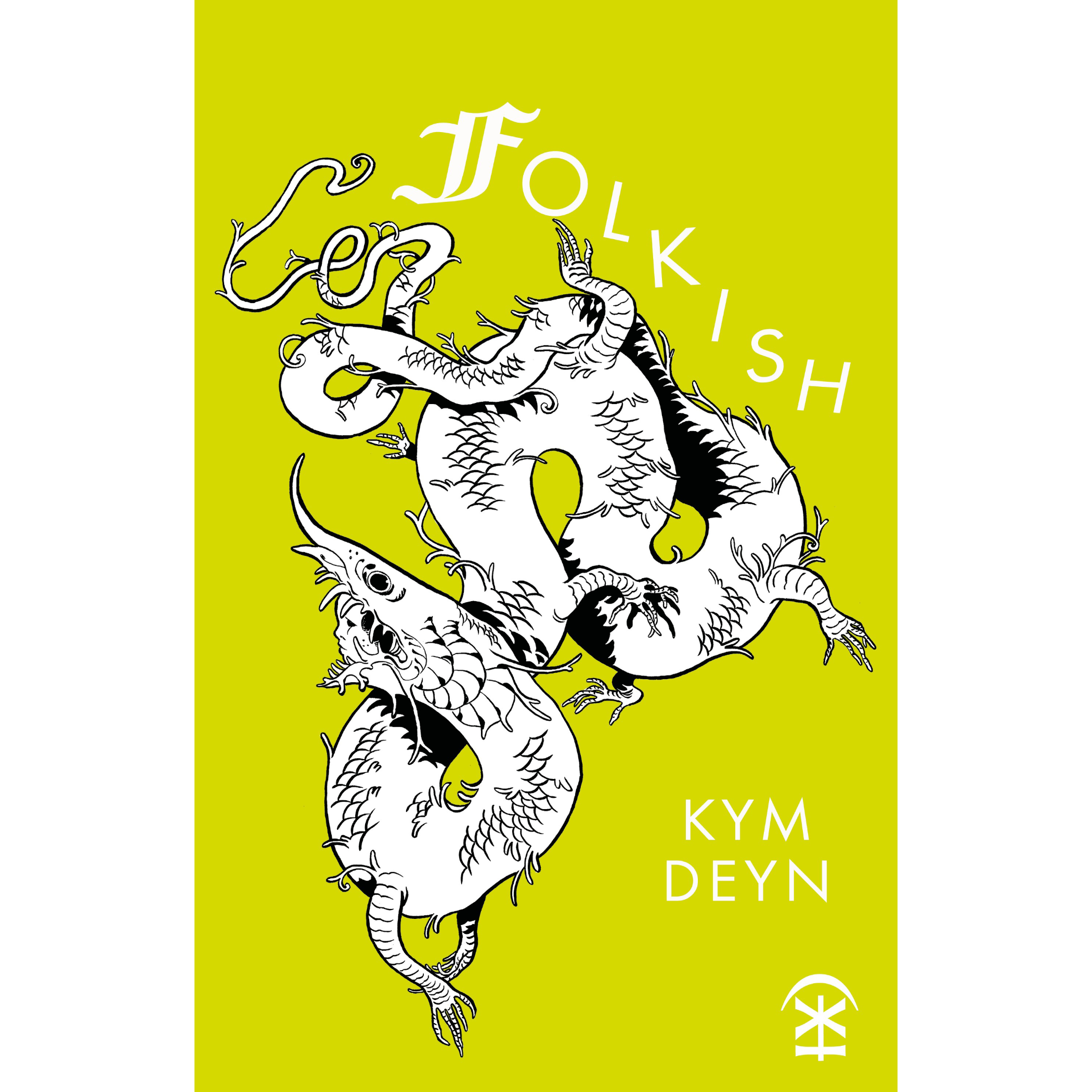
Folkish | By Kym Deym
Folkish is a trickster figure masquerading as a poetry collection. Full of ghosts, worms, saints, and Northern English folklore, Kym Deyn’s debut is playful, spirited and absolutely furious – moving between the alive, the legendary, and the haunted in endlessly inventive forms. Between deep time and mischief, Deyn’s poetry hungers and sharpens its spells – casting curses on bad landlords, exhaustion and poverty.
These poems know intimately the coexistence of darkness and light, the mirror’s slippery surface, and all that moves like magic in the depths of forest and root, containing multitudes – ‘a million sipping leaf-mouths, now quiet and peaty’.
Here, poetry is an act of wild transformation – boundless and entirely distinctive, unafraid of reconfiguration and re-enchantment.
New & Featured
Poetry
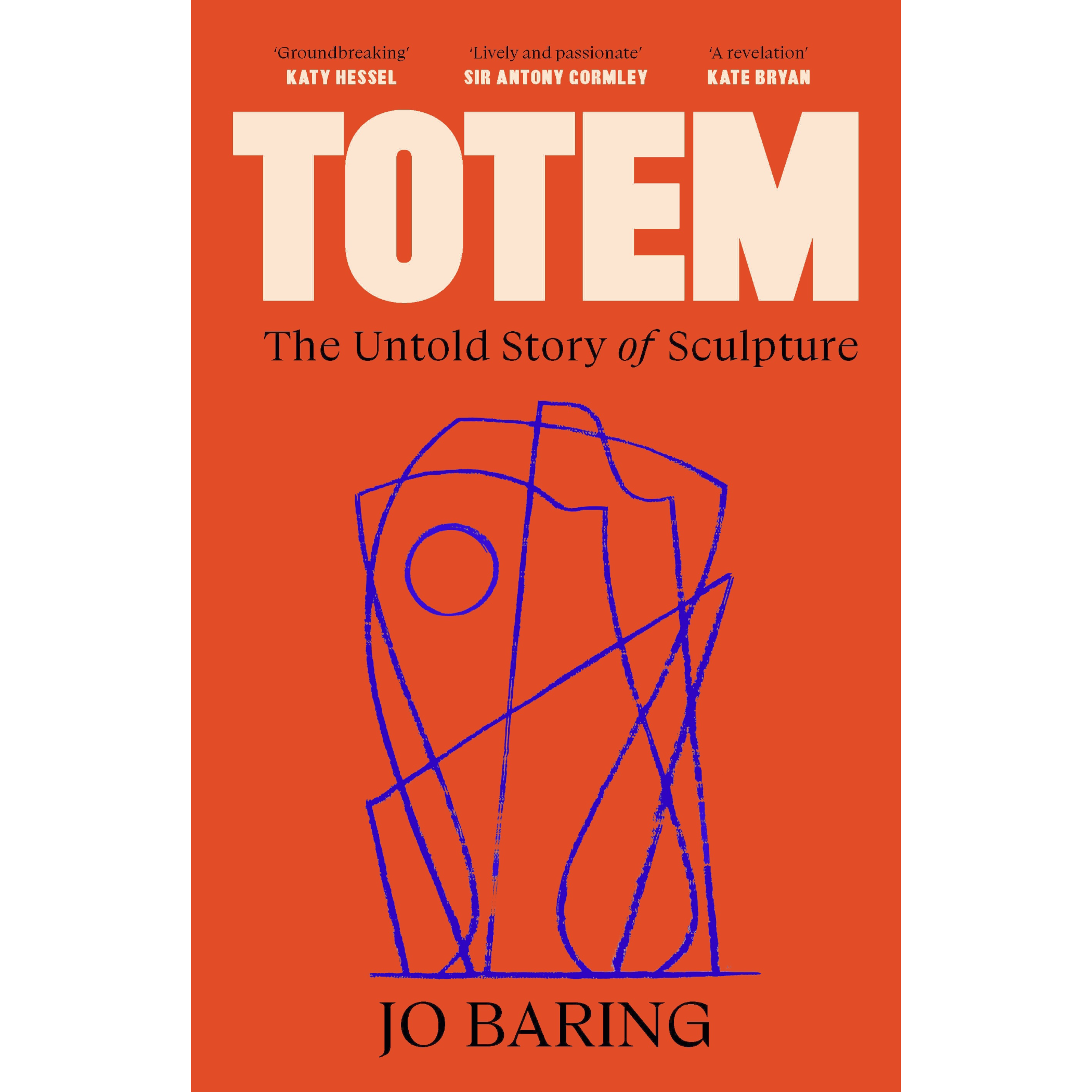
Totem: The Untold Story of Sculpture | By Jo Baring
For forty thousand years, we have been carving and moulding, shaping and chiselling, feeling our way and sensing our place in the world through sculpture. In this accessible, story-led journey into the heart of sculpture, renowned art historian and curator Jo Baring explores creativity, memory and why we have been driven to make art in this medium since the very beginning of humanity. She examines sculptures from the pre-historic Lion Man figure found in a German cave, to an ancient Mayan pyramid that conjures a serpent made of shadows and icons of the Italian Renaissance such as Michelangelo's devastating Pietà.
Along the way, we encounter in a fresh light the work of twentieth century and contemporary giants such as Alberto Giacometti, Barbara Hepworth, Henry Moore, Constantin Brâncusi, Louise Bourgeois, Yayoi Kusama and Antony Gormley, among others. Lyrical and beautifully illustrated, Totem is a celebration of art, those creating it and those it means something to.
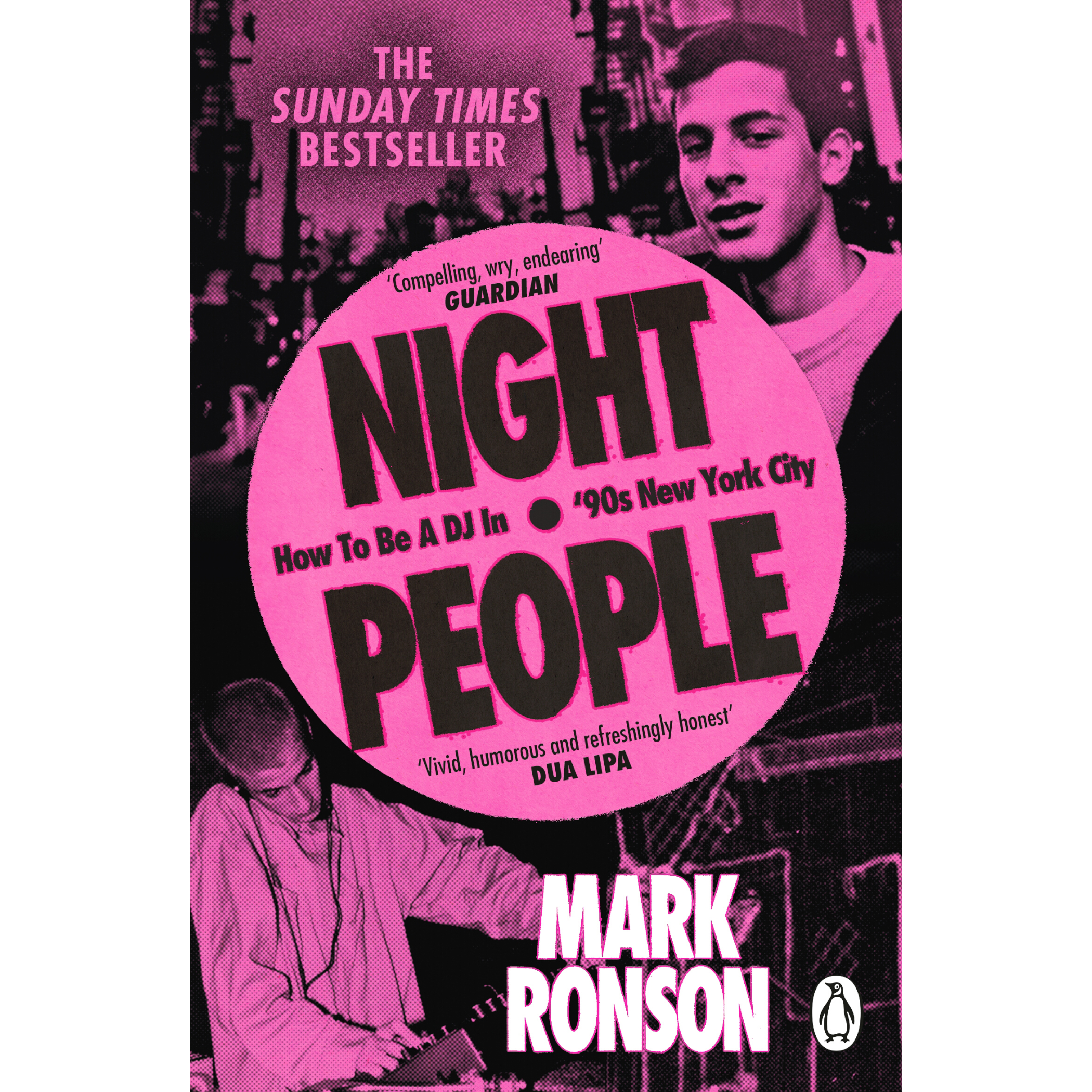
Night People: How to Be a DJ in ‘90s New York City | By Mark Ronson
Lady Gaga, Adele, Amy Winehouse, Dua Lipa, Bruno Mars, Miley Cyrus, the Barbie soundtrack. Behind some of the biggest musical moments in the past two decades is one man: Mark Ronson. Now, his memoir Night People captures the music, characters, escapades and energy of his formative DJ days in '90s New York.
Mark Ronson was born a night person. With hedonistic creatives for parents, parties became his playground. Yet, having moved to New York City from London at a young age, he always felt like a bit of an outsider, until discovering himself in the pulsing, unifying joy of the city’s parties and hip-hop scene. Each night brought a heady mix of music, ambition, danger, delight, and possibilities. Having well and truly caught the DJing bug, he worked to find his place and make his name in the city that never sleeps.
Night Peopleconjures the undeniable magic of '90s New York, when clubs were diverse, glamorous, a little lawless. It evokes the rush of a time and place where fashionistas and rappers on the rise danced alongside club kids and 9-to-5'ers – and invites us into the tribe of creatives and partiers who came alive when the sun went down.
A heartfelt coming-of-age tale, Night People is the definitive account of a cultural moment and the making of a musical mastermind.
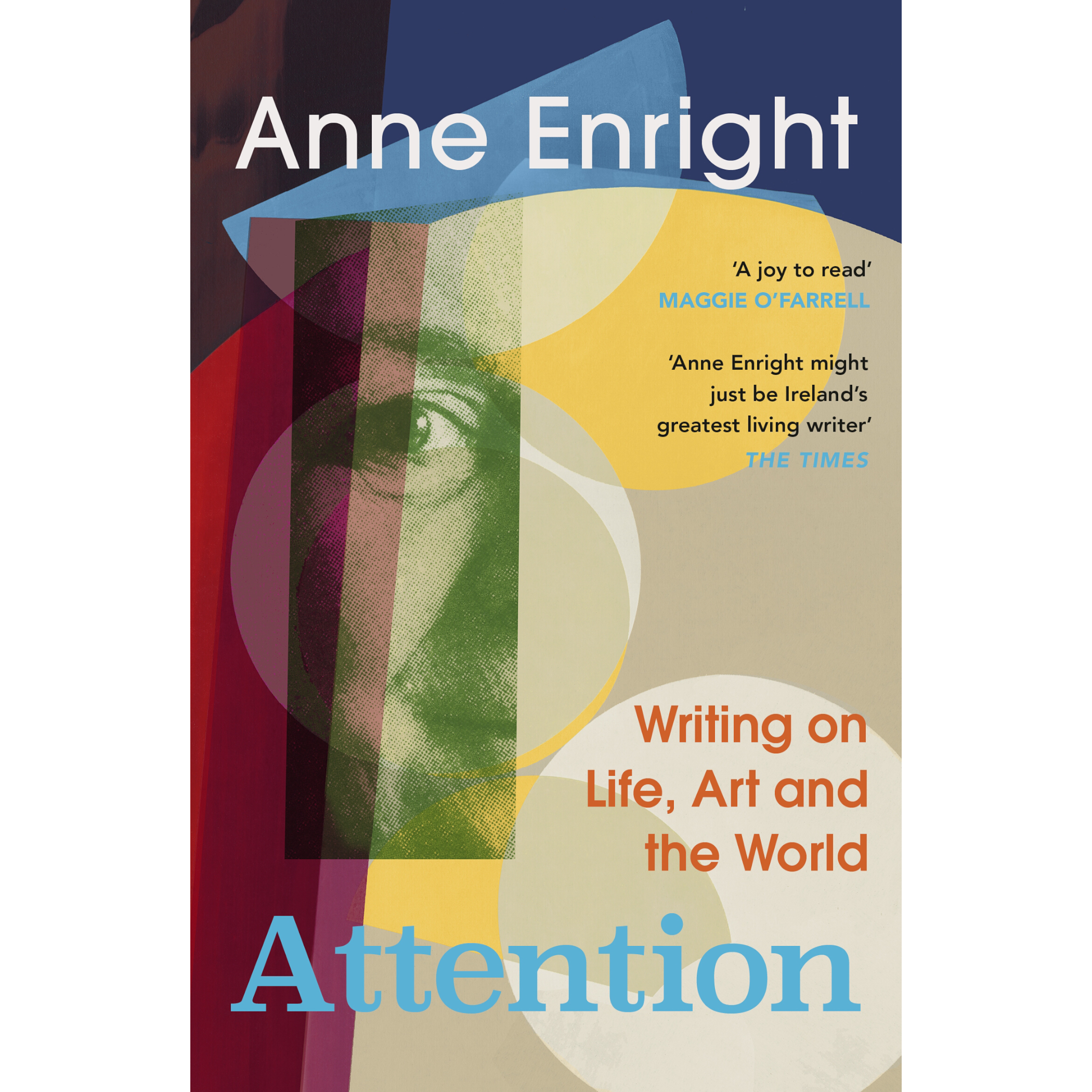
Attention: Writing on Life, Art and the World | By Anne Enright
For thirty years Anne Enright has been paying attention: casting her lucid and distinctive gaze across the world, literature and her own life, and gifting us with her precise insights. These essays, collated from across Enright's career, take us from Dublin to Galway, Canada to Honduras. They delve into Enright’s own family history, and explore the free voices and controlled bodies of women in society and fiction.
She offers new perspectives on writers including Alice Munro, Toni Morrison, James Joyce, Helen Garner and Angela Carter. In Enright’s fiction, speech can transform, rupture, enliven and liberate. In these essays, she speaks to us directly.
Electrifying, probing and exuberant, this is a defining collection from one of our most distinguished literary voices.
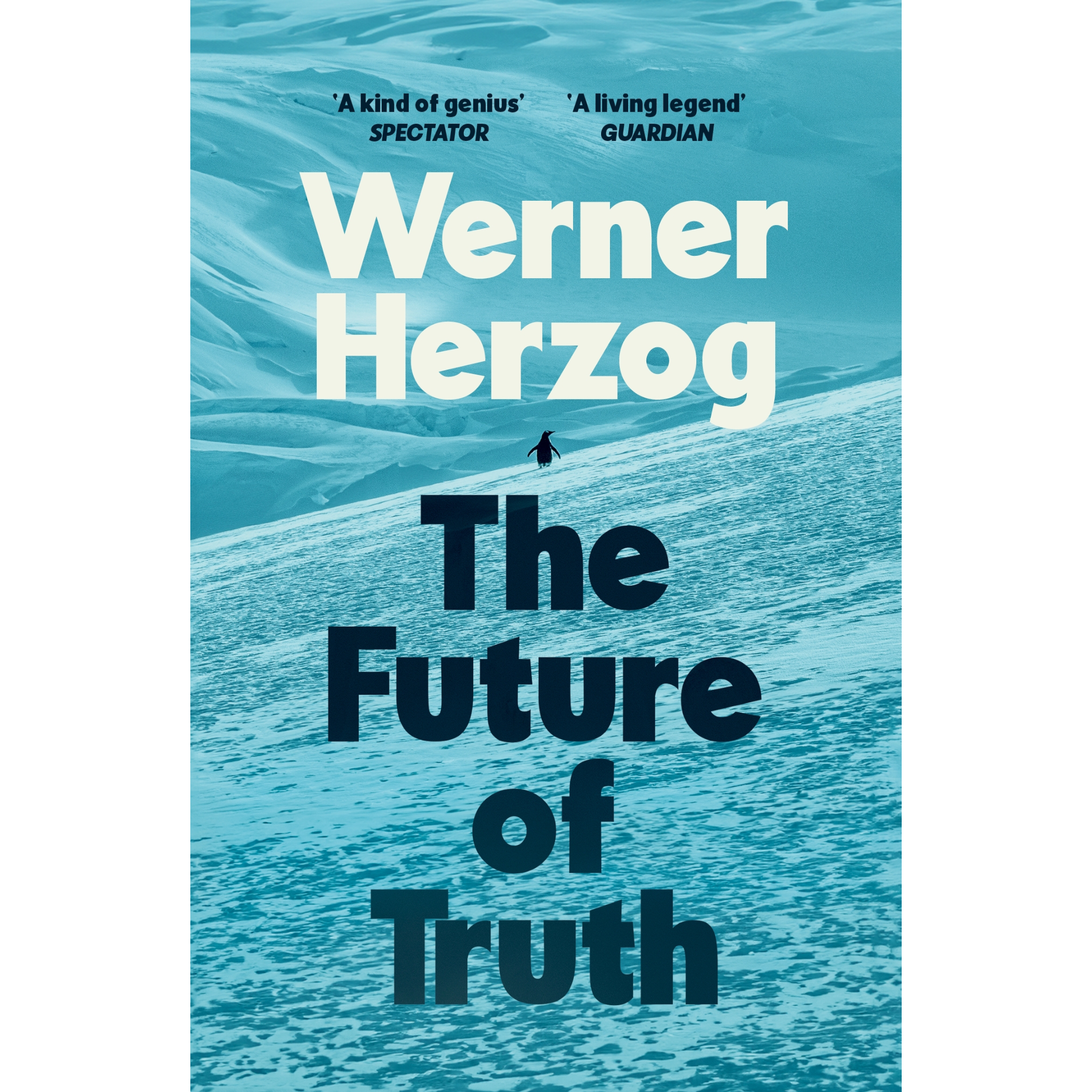
The Future of Truth | By Werner Herzog
What if a lie could be true?
At the heart of this fascinating and iconoclastic book lies Werner Herzog’s concept of ‘ecstatic truth’ – a truth that is often hidden behind the facts and our conceptions of reality but can be gleaned through the poetic imagination, in art, literature and cinema, when we open ourselves up to an aesthetic experience.
Written in Herzog’s inimitable style, these stories, anecdotes and reflections take us from present-day deep fakes and the opportunities and perils of AI to ancient Egypt and Rome, where rulers resorted to lies and propaganda in the same way as governments do today; from Scott and Amundsen’s race to the South Pole to alien abduction claims and the making of Herzog’s own films.
With its singular vision and unique voice, The Future of Truth is a compelling meditation on the relationship between fact and fiction – evidence and imagination – by one of today’s most fascinating and idiosyncratic thinkers.
Too Little, Too Hard | By Various | Edited By Lucy Mercer and Livia Franchini
In recent years, countless arguments have been made for and against the enduring value of literature: reading improves mental health and offers refuge from the news cycle; the novel is dead, poetry obsolete, writers AI-replaceable. Too Little, Too Hard adds nuance to these discussions by asking professional writers what they actually think about literary value, and their underexplored working conditions.
What does it mean to write under a neoliberal economy? What can writers afford to work on – and what are they not supposed to approach? What side work sustains them, and what does it cost? What does the publishing industry want, and what does it quietly refuse? And what has happened to literary criticism, to the university, and to the conditions that once made writing possible?
In this wide-ranging collection of essays, fifteen of our most important writers reflect on their experiences of writing under – and against – capitalism. At once critical and hopeful, Too Little, Too Hard seeks to reckon with the material crises in the present state of literature, while proposing collective action as a way to secure a future in which a writing life becomes viable. With contributions from Rachael Allen, Sanah Ahsan, Anthony Anaxagorou, Julia Bell, Emily Berry, Sarah Brouillette, Helen Charman, Claudia Durastanti, Yara Rodrigues Fowler, Will Harris, Amber Husain, Dizz Tate, Lara Williams, Holly Pester, Andy Perluzzo, Omar Robert Hamilton.
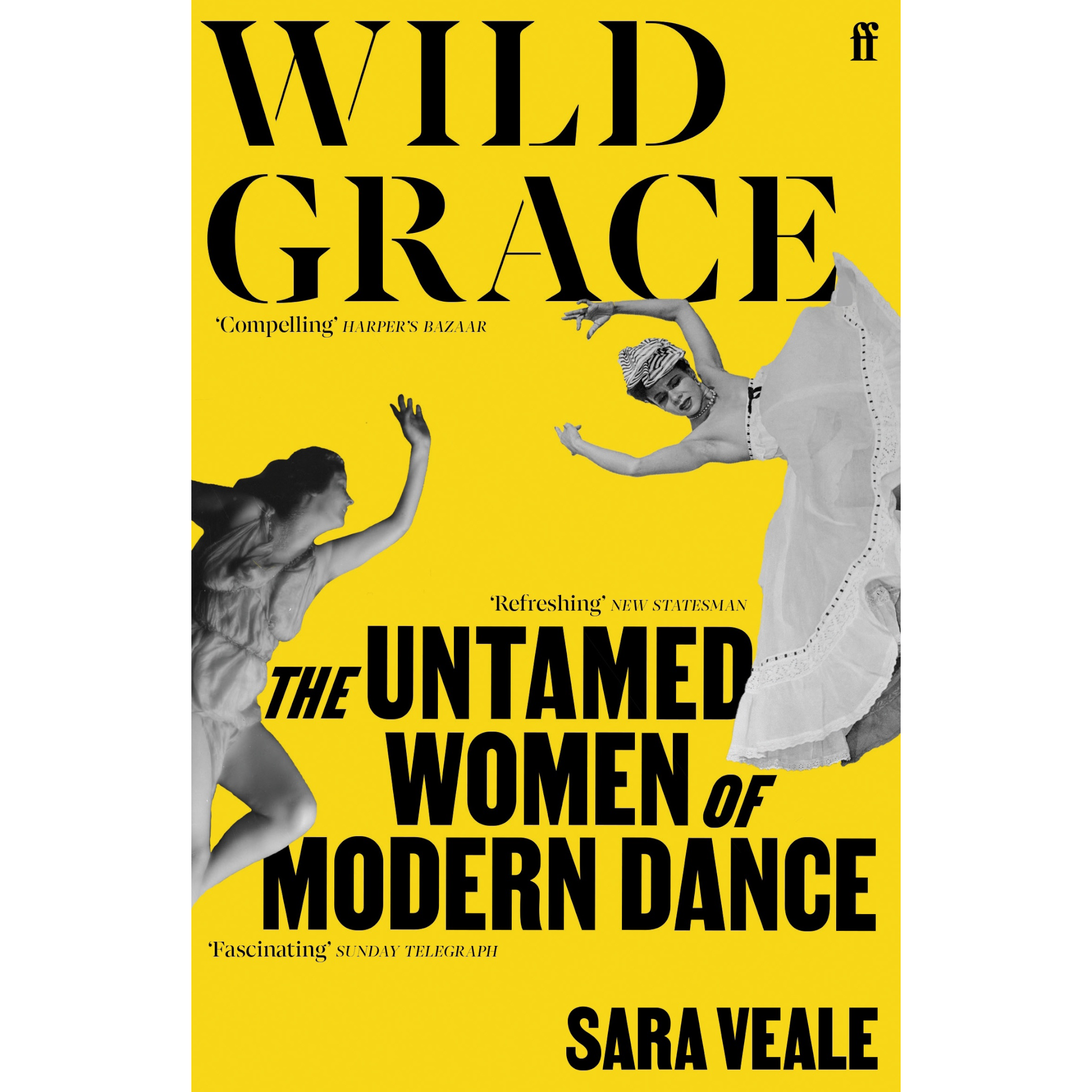
Wild Grace: The Untamed Women of Modern Dance | By Sara Veale
The untold history of the extraordinary women who drove the modern dance movement and changed cultural narratives about sex, power and women's rights.
The story of modern dance is a story of subversion - of forms challenged and hierarchies toppled in the pursuit of blazing artistic integrity. In Wild Grace, Sara Veale profiles nine of the pioneering women at the heart of this movement, from Isadora Duncan and Loie Fuller's fearless rejection of nineteenth-century paternalism to Katherine Dunham and Pearl Primus's battles to recentre marginalised histories in the wake of the Second World War.
Each of these dancers redefined the meaning of grace in their art and their lifestyle, conveying vital truths about what it means to walk the world as a woman. Veale brings to life the stories and artistry of these remarkable individuals and reveals how, in their refusal to conform, we can find urgent lessons for today.
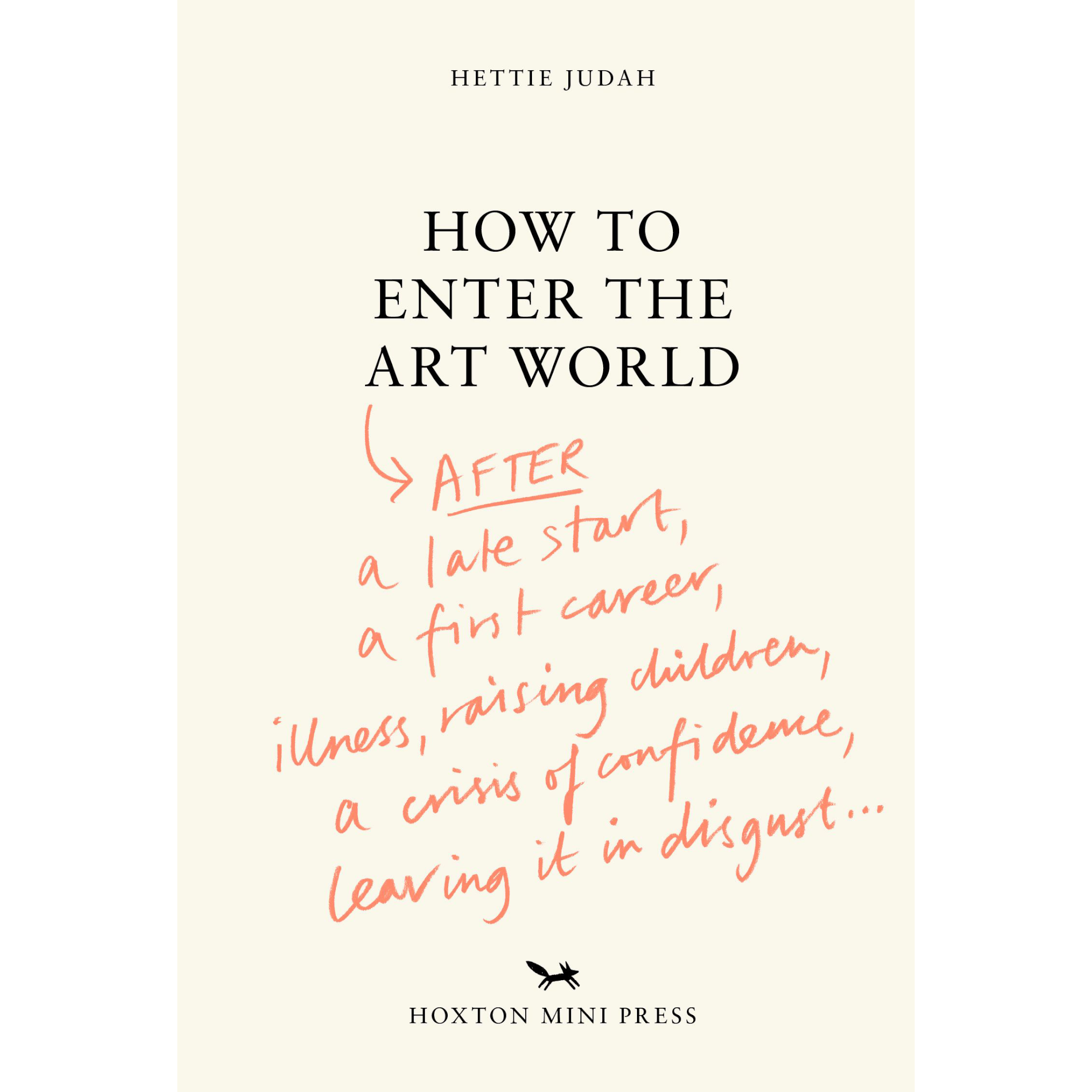
How to Enter the Art World...: AFTER a late start / a first career / raising children / caring for parents / recovering from illness / a crisis of confidence / leaving it in disgust. | By Hettie Judah
A guide for anyone whose trajectory through the art world isn't a smooth upward curve, based on years of research with art professionals.
The commercial art world is powered by a convenient fiction: that artists' careers proceed along an established route, onwards and upwards, with always the same goal in sight. It is also notoriously hard to re-enter after time away. Based on years spent talking with artists and arts professionals, How to Enter the Art World is a compendium of guidelines, pointers and tips to help readers chart their own route as an artist. Frank, funny and occasionally forthright, this book illuminates the many different ways to be an artist, regardless of life's obstacles and interruptions.
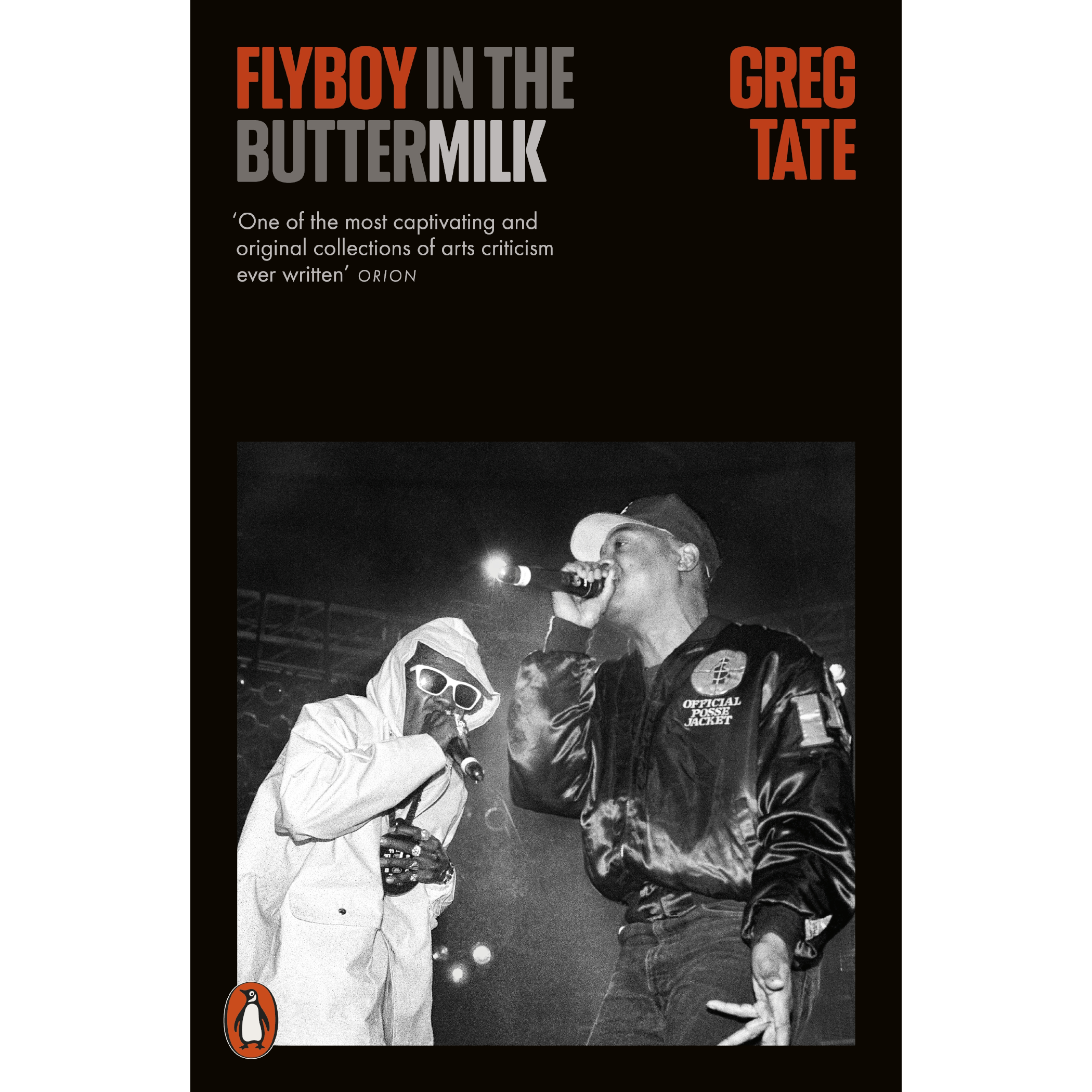
Flyboy in the Buttermilk | By Greg Tate | Introductions by Questlove and Hanif Abdurraqib
These pieces orbit social, pop cultural, political, and economic subjects — from the rise of hip-hop, the art of Jean-Michel Basquiat, the music of Miles Davis, James Brown, Jimi Hendrix, Bad Brains, and many others, to the crisis of the Black intellectual and the irony of the GOP recruiting Black Americans. With unrivalled flair, Tate writes in a voice that is at once angry, joyous, self-critiquing, and dazzlingly witty.
Tate teaches us ‘it is not too late to say too much, to be so dissatisfied with the world as it is that we throw far too many words toward the sky, and see what the heavens throw back’ - Hanif Abdurraqib.
New & Featured
Art, Photography & Music
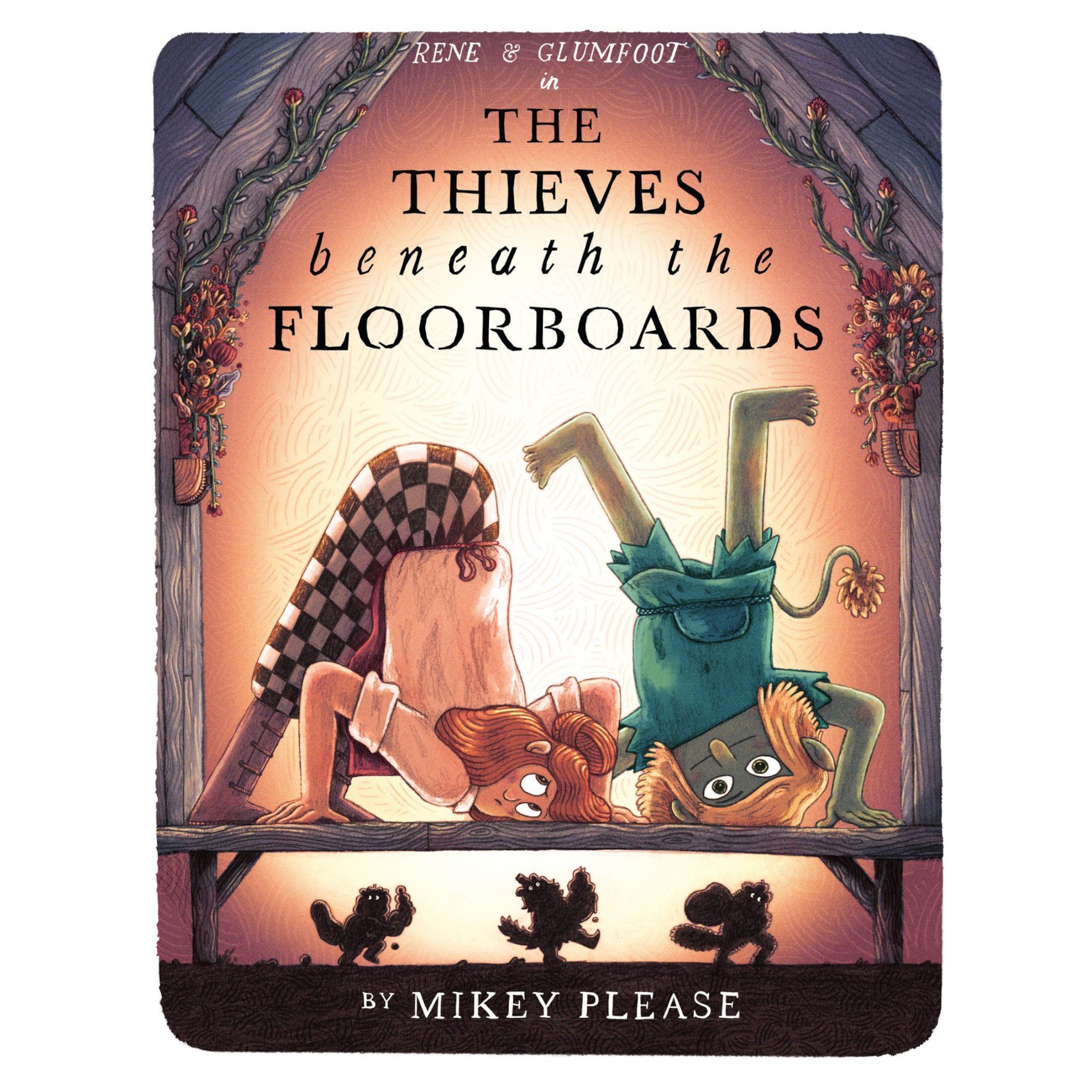
The Thieves Beneath the Floorboards | By Mikey Please
Join Rene and Glumfoot at the Café at the Edge of the Woods – this time with some unexpected visitors beneath the floorboards … When Rene hears gnawing, clawing and scratching sounds from underneath the café, she just can't ignore them. Using every skill she can muster, she lays an elaborate trap – but what she finds will put all of her hopes and dreams in jeopardy … Full of Mikey's unparalleled world-building and imaginative storytelling, rejoin Rene and Glumfoot once again for more folklore figures, culinary escapades and entirely unexpected guests.
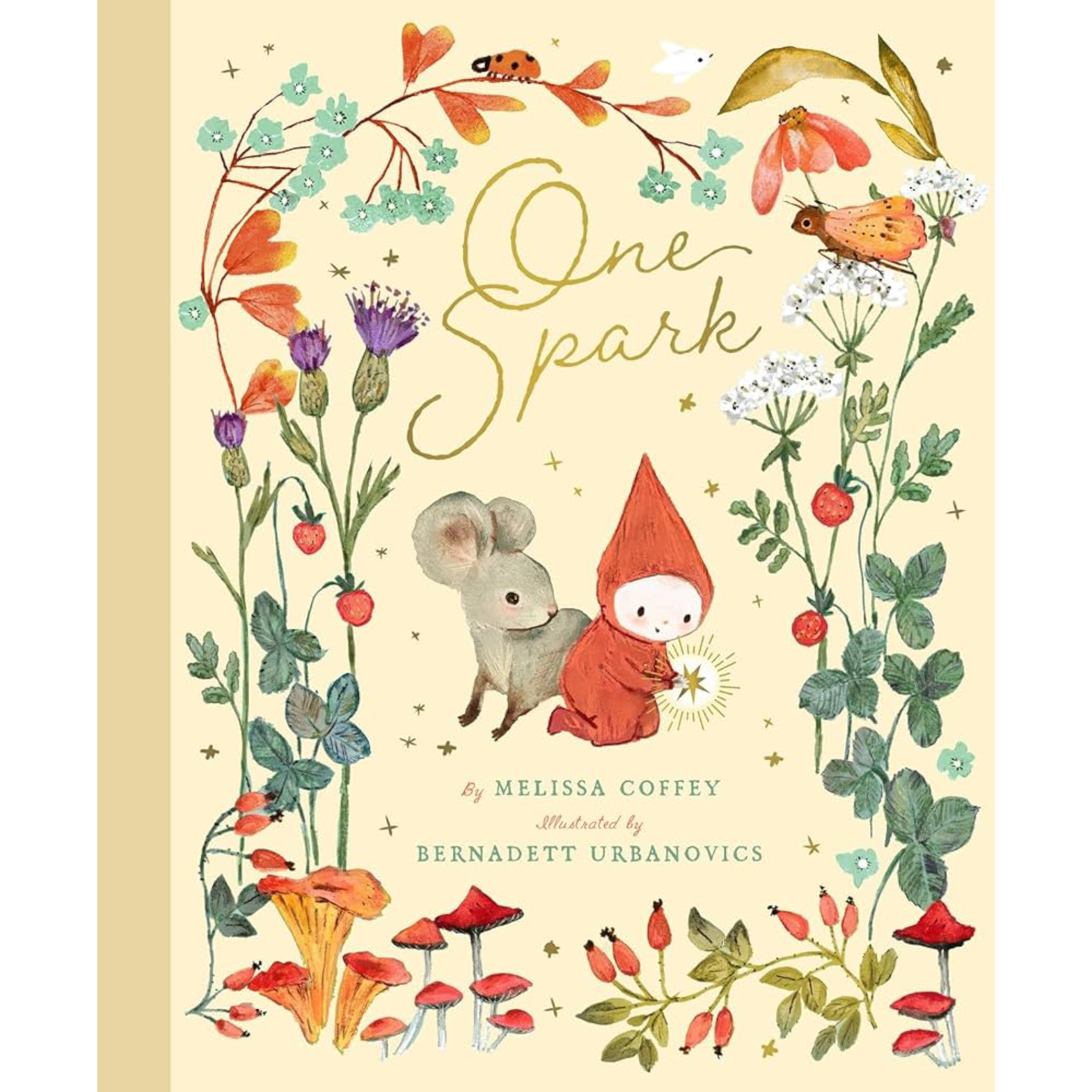
One Spark | By Melissa Coffey | Illustrated by Bernadett Urbanovics
Inside every child lives a spark.
It may begin as a quiet flicker, yet it holds something powerful: imagination, kindness, courage, and the ability to make the world brighter. In One Spark, lyrical language and gentle rhythms guide readers through the discovery of that inner light. Along the way, children learn that the spark within them grows through curiosity, compassion, and connection with others. Thoughtful, soothing, and visually rich, this inspiring picture book offers families a meaningful way to talk about emotions, self-belief, and the ways small acts of care ripple outward into the world. A heartfelt gift for children, parents, teachers, and anyone who believes a little light can go a long way.
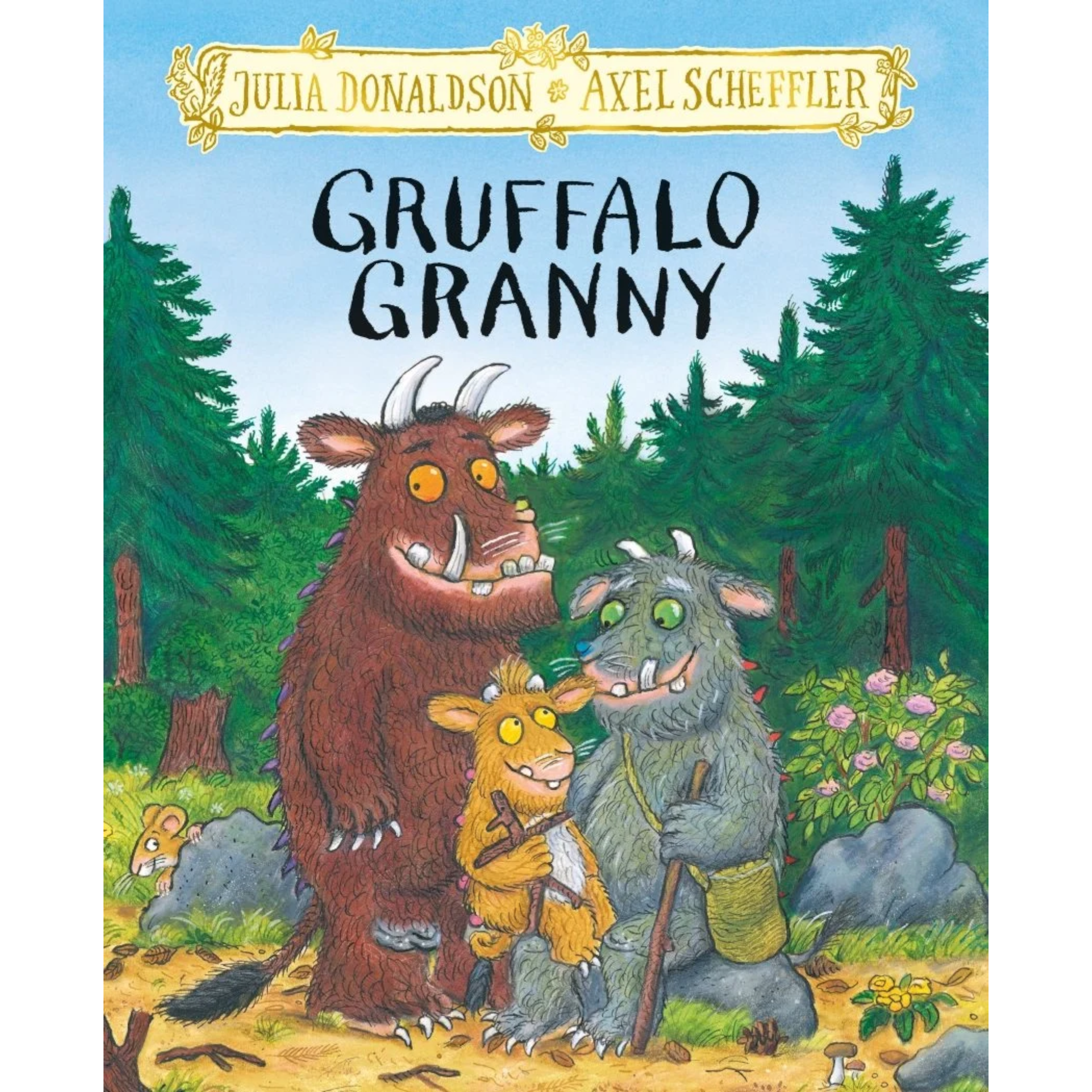
Gruffalo Granny | By Julia Donaldson | Illustrated by Axel Scheffler
The Gruffalo said to his daughter one day, “Your Gruffalo Granny is coming to stay.” Return to the deep dark wood with the first new Gruffalo story in over 20 years, and meet Gruffalo Granny as she visits the Gruffalo family. This fresh and exciting new Gruffalo adventure features the return of much-loved characters and is destined to become a classic.
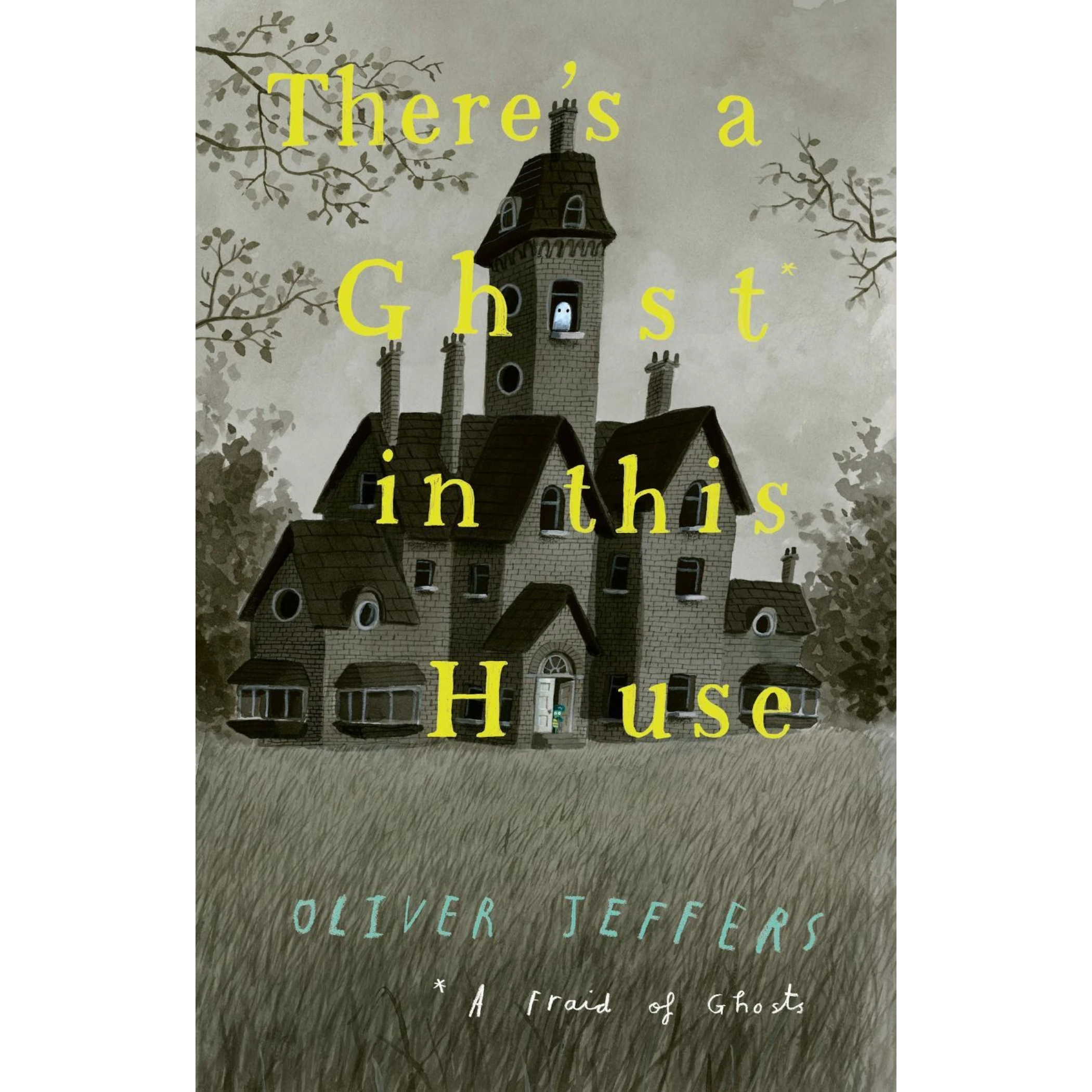
There’s a Ghost in this House | By Oliver Jeffers
'Hello, come in. Maybe you can help me?'
A young girl lives in a haunted house, but has never seen a ghost.
Are they white with holes for eyes? Are they hard to see? She’d love to know! Step inside and join in an entertaining ghost hunt, from behind the sofa, right up to the attic. With lots of friendly ghost surprises and incredible mixed media illustrations, this unique and funny book will entertain young readers over and over again!
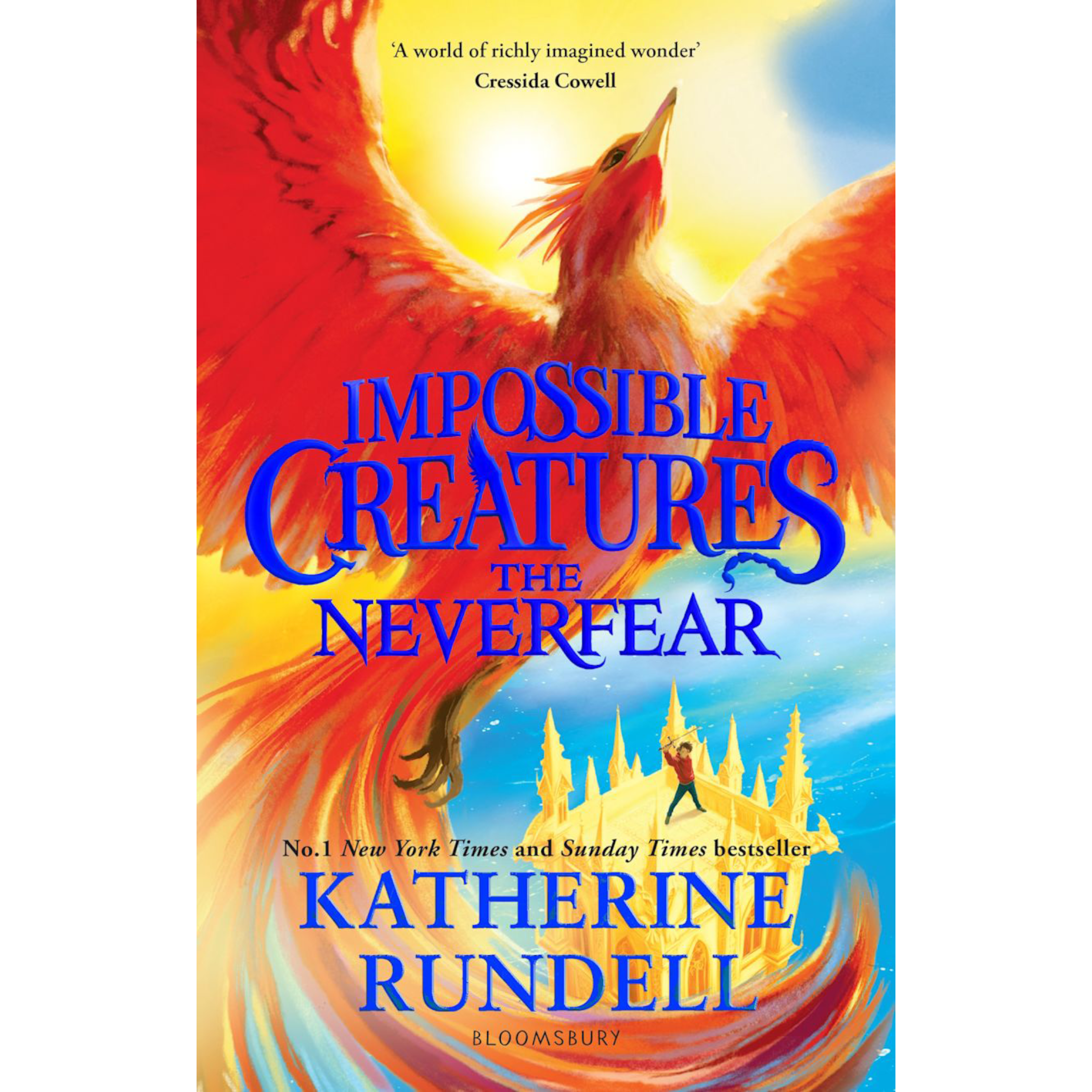
The Neverfear | By Katherine Rundell
It’s the Midsummer Feast on the Islet of Glimt and on this magical moonlit evening, the word on everyone’s lips is bandits. Reports of masked men burning villages are spreading throughout the Archipelago, but worse is still to come: Christopher and Anya are ambushed and one of the people they love most is kidnapped. The two children – alongside Ratwin the ratatoska and Jacques the Jaculus dragon – set sail on the Neverfear to recover three precious treasures.
Together they must face fearsome giants, win a daring race, and outwit deadly enemies to save those they love most.
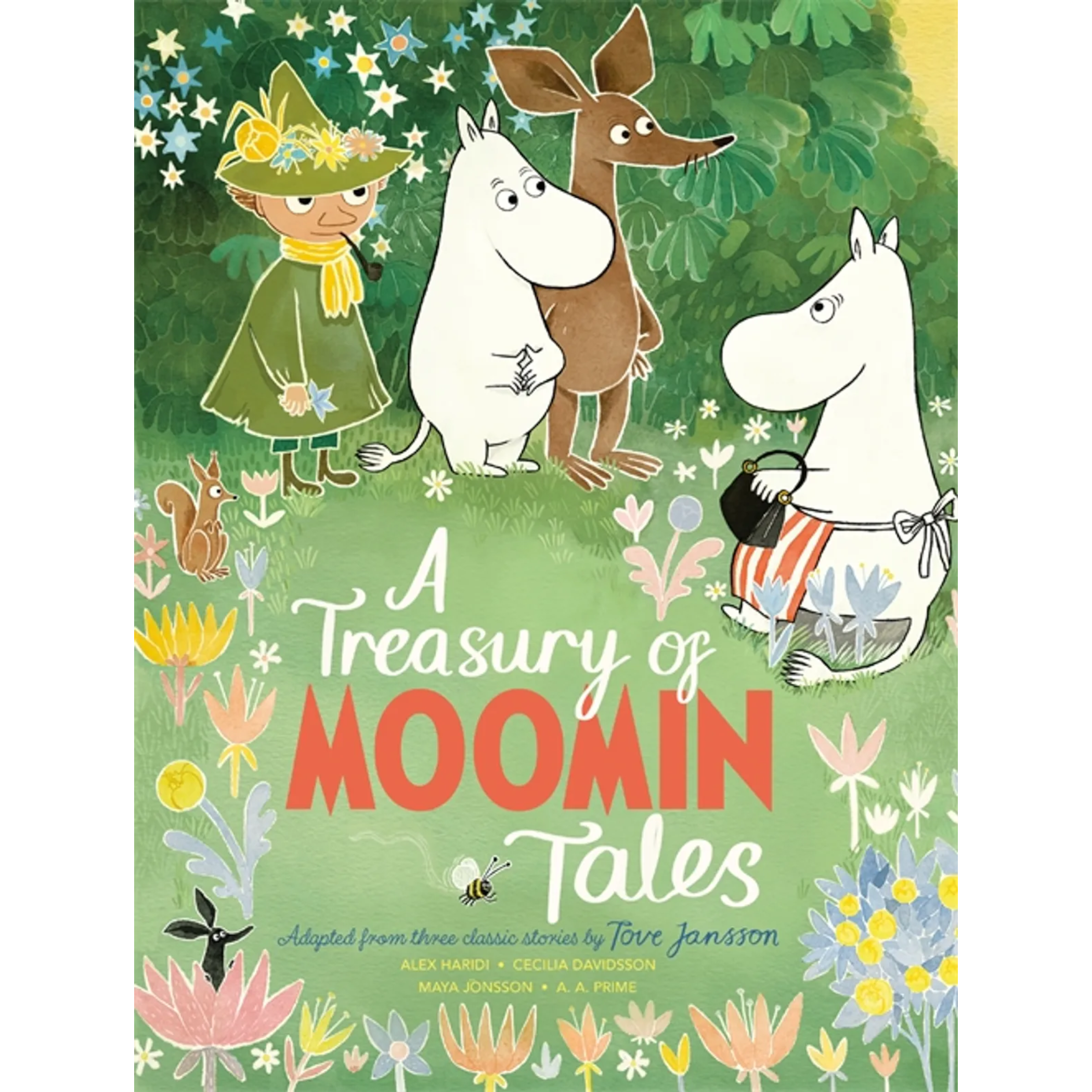
A Treasury of Moomin Tales: Adapted from three classic stories by Tove Jansson | By Tove Jansson, Alex Haridi & Cecilia Davidsson
A Treasury of Moomin Tales is a beautifully illustrated collection of three classic Moomin stories, based on Tove Jansson’s original works.
Join Moomintroll, his charming family and his eclectic band of friends on a series of adventures in a picturesque land where anything can happen: a snow horse comes to life in the depths of a freezing winter, a stolen ruby leads to a trial set in the Moominhouse garden, and seeds planted on Midsummer's Eve sprout a crowd of electrical Hattifatteners! Moomin fans of all ages will delight at the stunning artwork that accompanies the lively, witty writing, and become fully immersed in the beautiful Moominvalley. Sensitively adapted for a younger audience by Alex Haridi and Cecilia Davidsson, A Treasury of Moomin Tales is a perfect gift and a must-have for fans of Tove Jansson’s enchanting world.
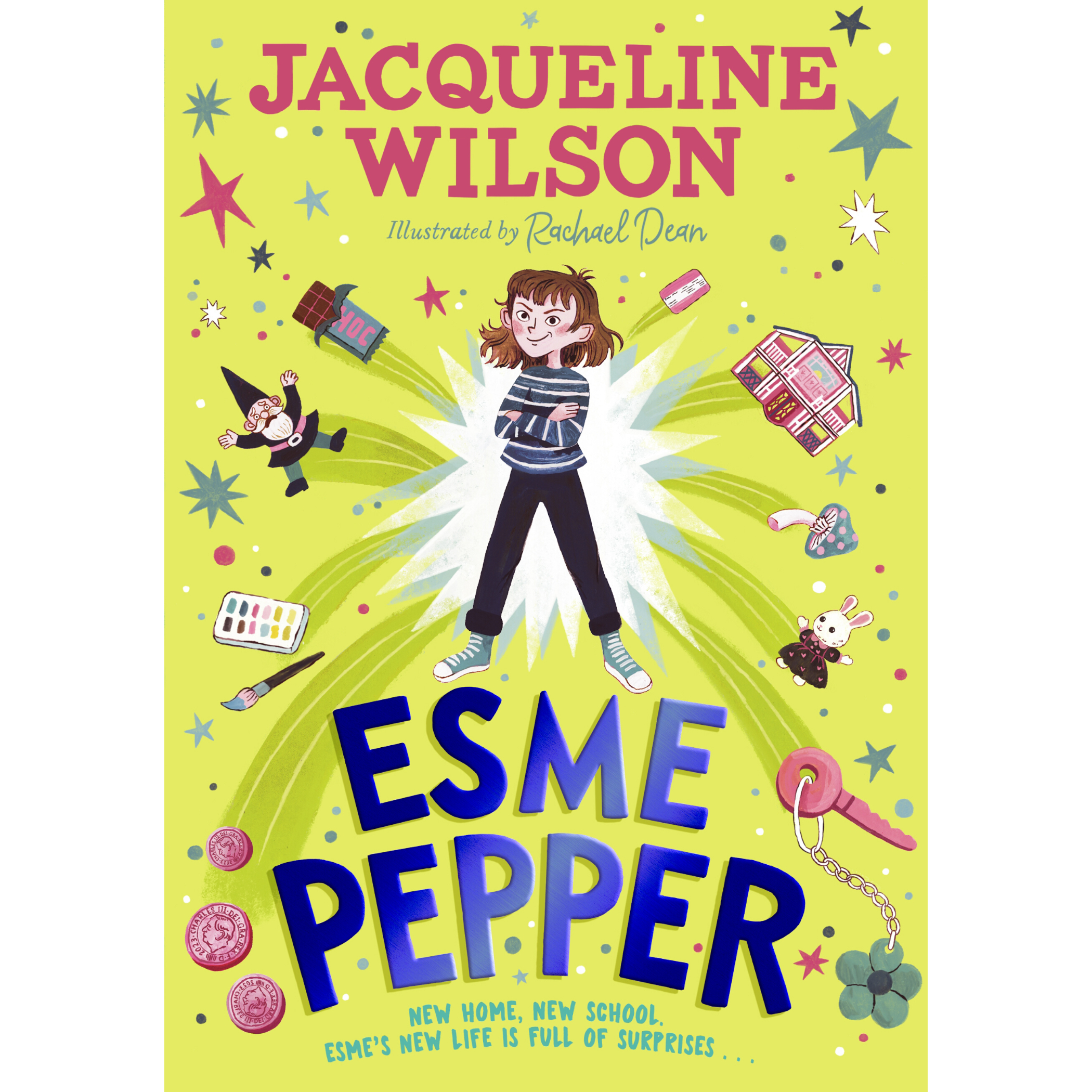
Esme Pepper | By Jacqueline Wilson | Illustrated by Rachael Dean
A funny, heartbreaking and hopeful story of one girl's resilience, from the author of the bestselling Tracy Beaker series. Esme's mum would do anything for her, including trying to steal the expensive dolls house that Esme desperately wants. When Mum gets caught, Esme has to go into foster care.
When a placement proves hard to find, Esme has to stay with an elderly couple who have retired from fostering. She knows she only has to stay until Mum gets back, but she still has to deal with a new school, and a real idiot of a class bully. Esme might like to cause trouble, but this time she is going to have to find a way to get along.
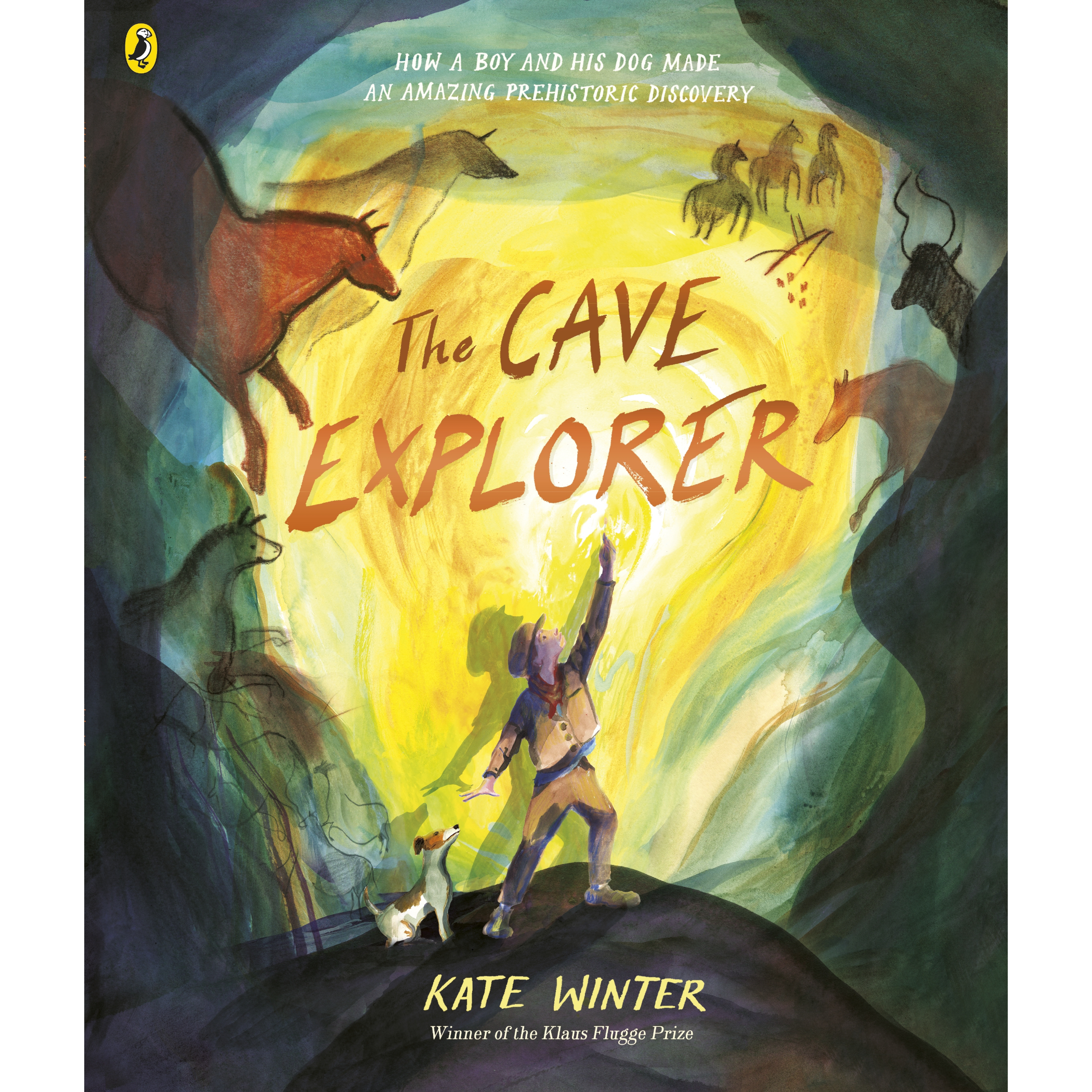
The Cave Explorer | By Kate Winter
One day in 1940, a young boy named Marcel Ravidat was walking his dog, Robot, near his home in southwestern France. When Robot found a strange hole near an upturned tree, Marcel and his friends rushed in to explore and find some hidden treasure. But the treasure they found was like nothing they had ever expected – prehistoric paintings and carvings that covered the walls of an underground cave, and that told the story of the palaeolithic people that had once called this place home.
This rediscovered cave was an important historical find, and the artefacts and paintings inside helped archaeologists and anthropologists piece together what life must have been like for humans living hundreds of thousands of years ago. Little did Marcel know that the mystery of why these paintings were created and what stories the artists were depicting would continue to capture our imaginations as we still debate their meaning today.
Beautifully illustrated by emerging talent Kate Winter, with incredible panoramic fold-out pages, this is a book to treasure and to read again and again, perfect for all fans of natural history and curious young explorers.
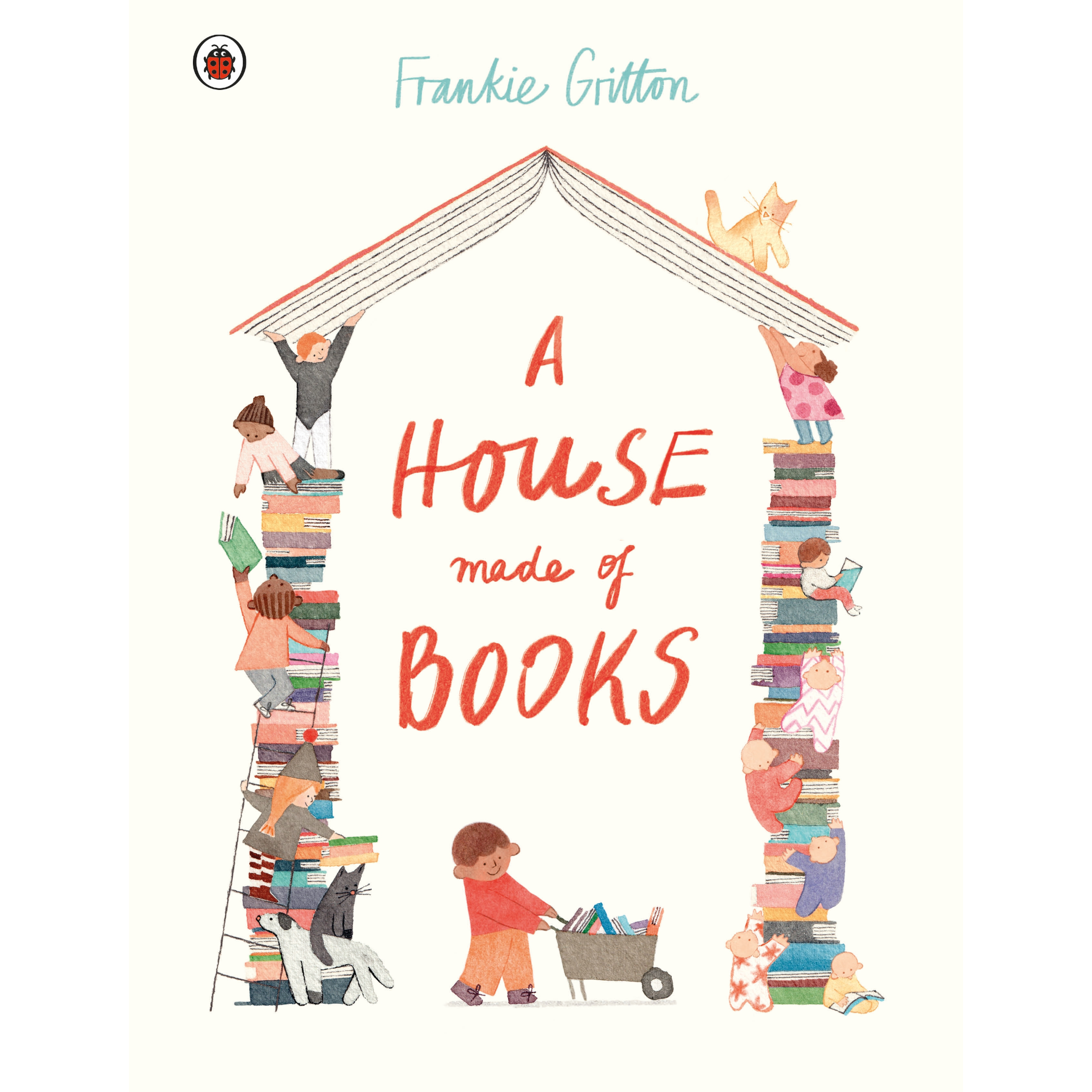
A House Made of Books | By Frankie Gritton
What happens if you build a house made of books?
Simon loves books. He loves them so much, he decides to build a house made of books. Simon works hard, stacking book after book, until he has the perfect cosy home – a house made of poems and pictures, stories and songs.
Simon is very happy in his new home – until one day, a neighbour stops by to borrow a book. Before long, everyone wants to borrow a book from Simon – and the little house starts to look a bit wobbly. But when Simon’s house made of books comes tumbling down, his friends and neighbours come together to rebuild his home – bigger and stronger than ever before.
A beautiful, joyful picture book about community, kindness and connection that's made to be shared again and again.
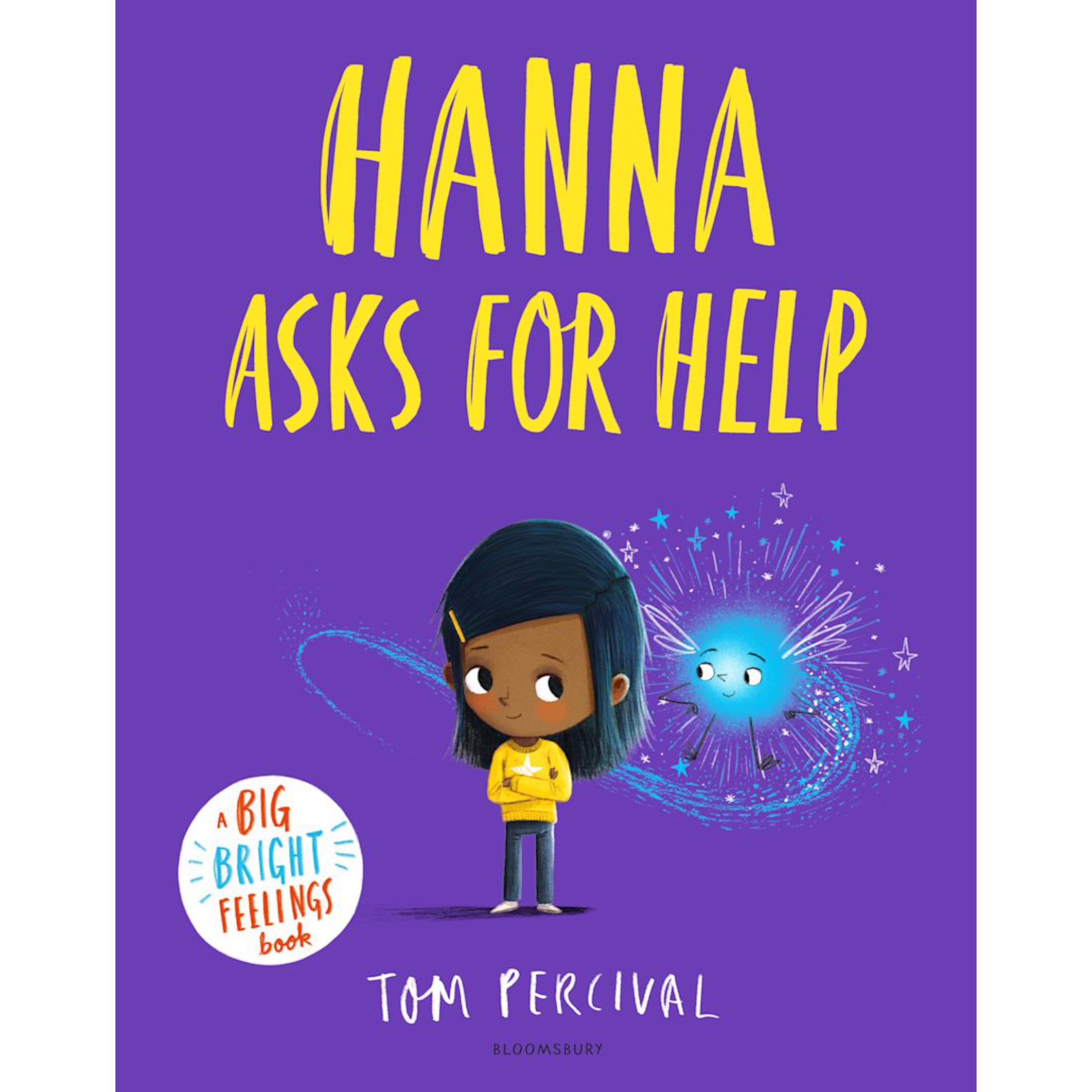
Hanna Asks for Help | By Tom Percival
This reassuring and funny book is the perfect springboard for talking to children about asking for help - because we're all good at different things, and giving and receiving help can be one of life's greatest joys. Hanna LOVES playing sports.
But she finds maths a real puzzle! Nothing she tries works... until she finds the courage to ask for a little bit of help. Soon, Help arrives - and nothing will ever be the same again!
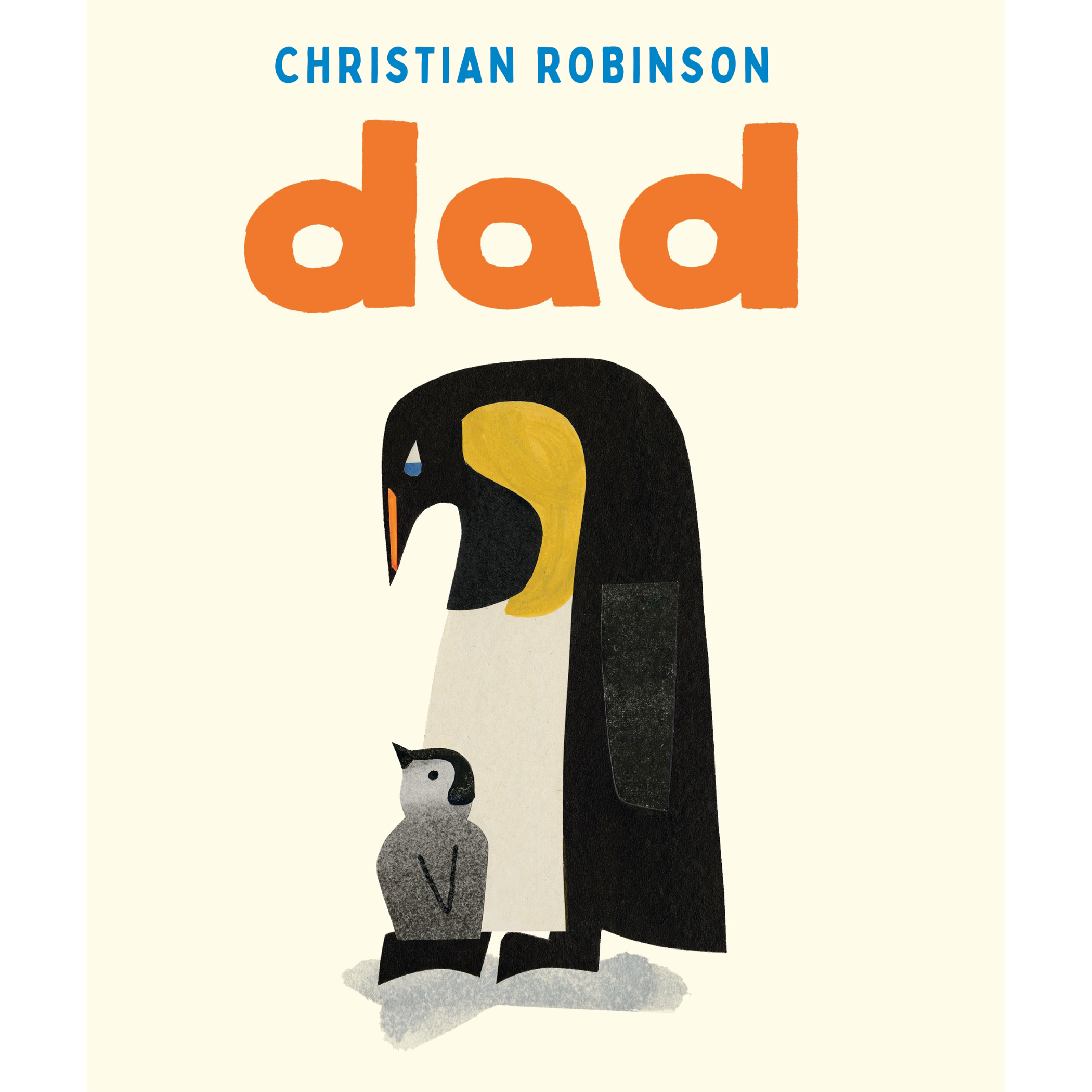
Dad | By Christian Robinson
A loving, funny and big-hearted tribute to all kinds of dads everywhere! A gorgeous picture book, and the perfect gift for new fathers. There are as many ways to be a dad as there are dads in the world. Dad is a love letter to all of them.
To the ups and downs, to the quiet and the loud – a loving celebration of the tender moments shared between a father and child.
'Dad is strong. Dad is sweet. Dad dreams of watching you grow'...
Written and illustrated by the multi-award-winning Christian Robinson, Dad draws inspiration from the animal world to break stereotypes of fatherhood and pay tribute to the huge range of relationships dads have with their little ones.
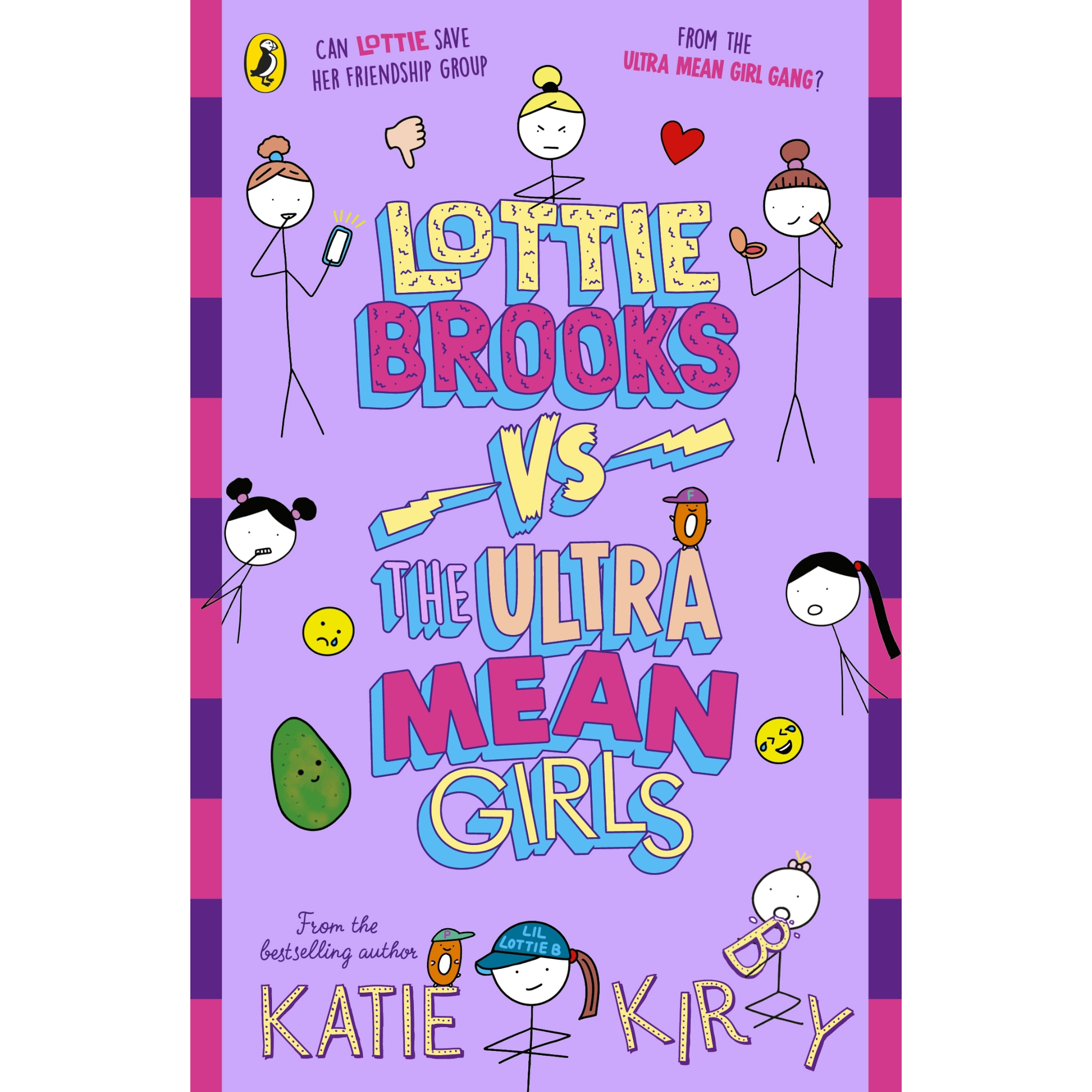
Lottie Brooks vs The Ultra Mean Girls | By Katie Kirby
Today we brainstormed strategies to #GETAMBERBACK. Our top ideas are:
Send her flowers
Hypnotise her
Kidnap her
Tell everyone she smells like lasagne
Emotionally blackmail her by making a BFF photo montage
Just when Lottie thought life might be going back to normal, everything goes wrong again! Amber’s hanging out with the Ultra Mean Girl Gang at school and is completely ignoring the Queens of Eight Green. Mum’s gone back to work and expects Lottie to ‘help around the house more’, Bella keeps biting everyone and Pot Noodle will not stop sniffing every dog’s bum.
DISASTER!
Now Lottie has to come up with a foolproof plan to get Amber back before her friendship group is destroyed forever. What could go wrong???
Join Lottie as she battles the mean girls, takes on school injections (apparently they can go through your arm!) and even more extremely embarrassing moments.
New & Featured
Children & Young Adults
New & Featured
Filters
No results found
No results match your search. Try removing a few filters.
Safe Spaces | By Tice Cin
Our unnamed narrator survives in London and Newark on a combination of Universal Credit, music production and songwriting, trying to figure out what she wants from home, and whether anyone is prepared to give it to her.
Navigating love affairs and halted by pain following the loss of her closest confidante, Safe Spaces is a portrait of the artist as a young musician. Of the DJ booths and dances that shape her, and the worlds she finds herself in: be they local raves, her Turkish-Cypriot family, the beauty parlour or the studio.
At once a songbook, a found poem of place, a therapy transcript and a community journal, Safe Spaces is a work of extraordinary lyricism and candour, confirming Tice Cin as one of the foremost stylists of her generation. A deeply intimate portrait of a community and a moving personal reckoning, it fearlessly asks: can the dream of a safe space ever be realised?