

Independent bookshop in the heart of the Old Town, a stone’s throw from the sea
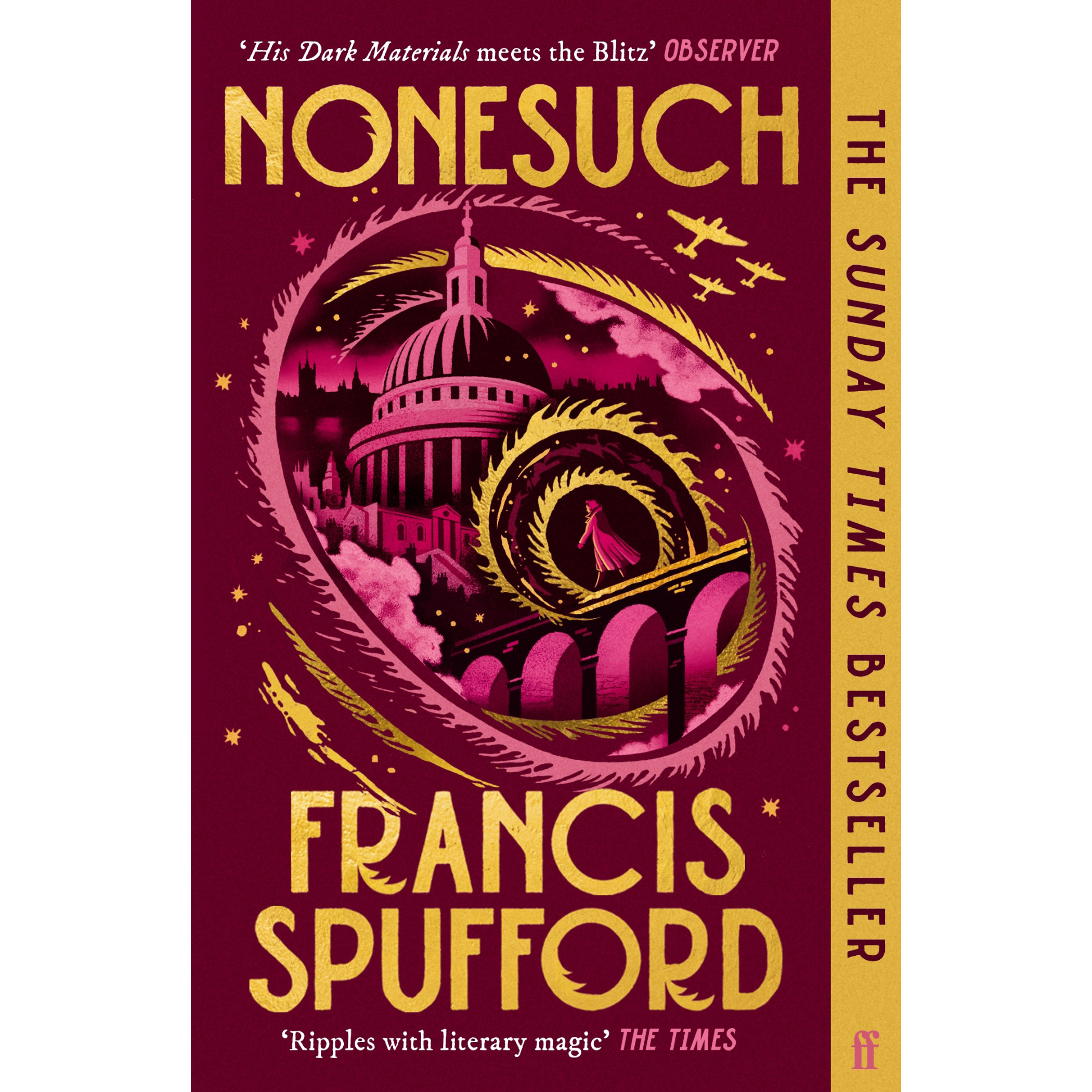
Nonesuch | By Francis Spufford
It's the summer of 1939. London is on the brink of catastrophic war. Iris Hawkins, an ambitious young woman in the stuffy world of City finance, has a chance encounter with Geoff, a technical whizz at the BBC's nascent television unit.
What was supposed to be one night of abandon draws her instead into an adventure of otherworldly pursuit - into a reality where time bends, spirits can be summoned, and history hangs by a thread. Soon there are Nazi planes overhead. But Iris has more to contend with than the terrors of the Blitz.
Over the rooftops of burning London, in the twisted passages between past and present, a fascist fanatic is travelling with a gun in her hand. And only Iris can stop her from altering the course of history forever.
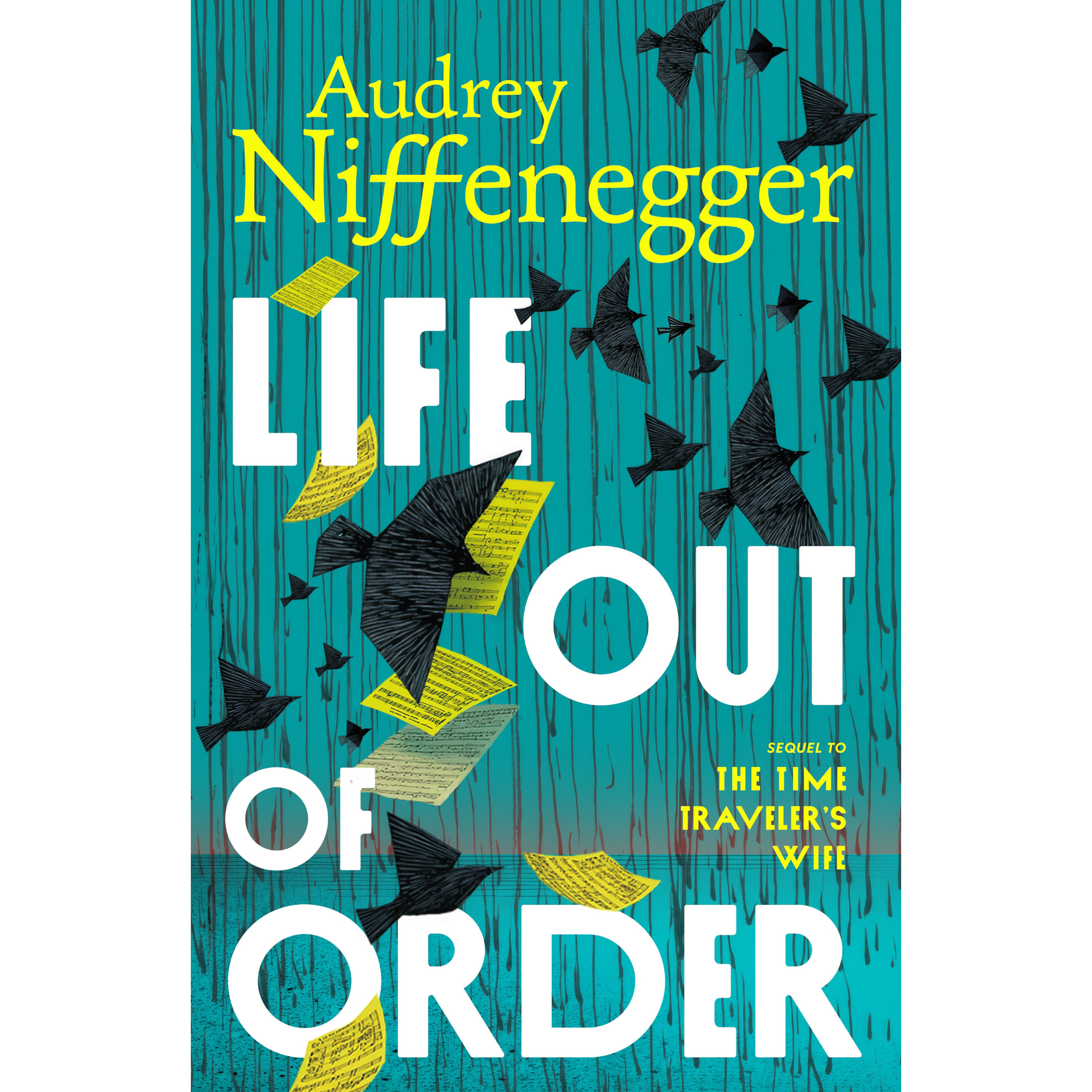
Life Out of Order | By Audrey Niffenegger
Two great loves. A world in chaos. And a life that never lands in order.
Alba DeTamble is a time traveler, slipping unpredictably through decades like her father before her. But the hardest thing she carries isn’t the burden of futures she can’t understand, or pasts she cannot change – it’s a secret: she is in love with two different people. Each of them offers a different life.
Zach lives in the present and can’t follow her when she disappears. Oliver can travel through time, just like she can. As Alba careens from time to time, moving from the riot-torn Chicago streets of her present to the eerie, timeless Yellow House, and into the digital corridors of the Museum of Lost Souls and a flooded future London, she must face a question she can no longer avoid: how is it possible to love, and live a meaningful life, in an increasingly troubled, fractured world?
Intimate and expansive, Life Out of Order is a kaleidoscopic story of love, resilience and hope when time is running out.
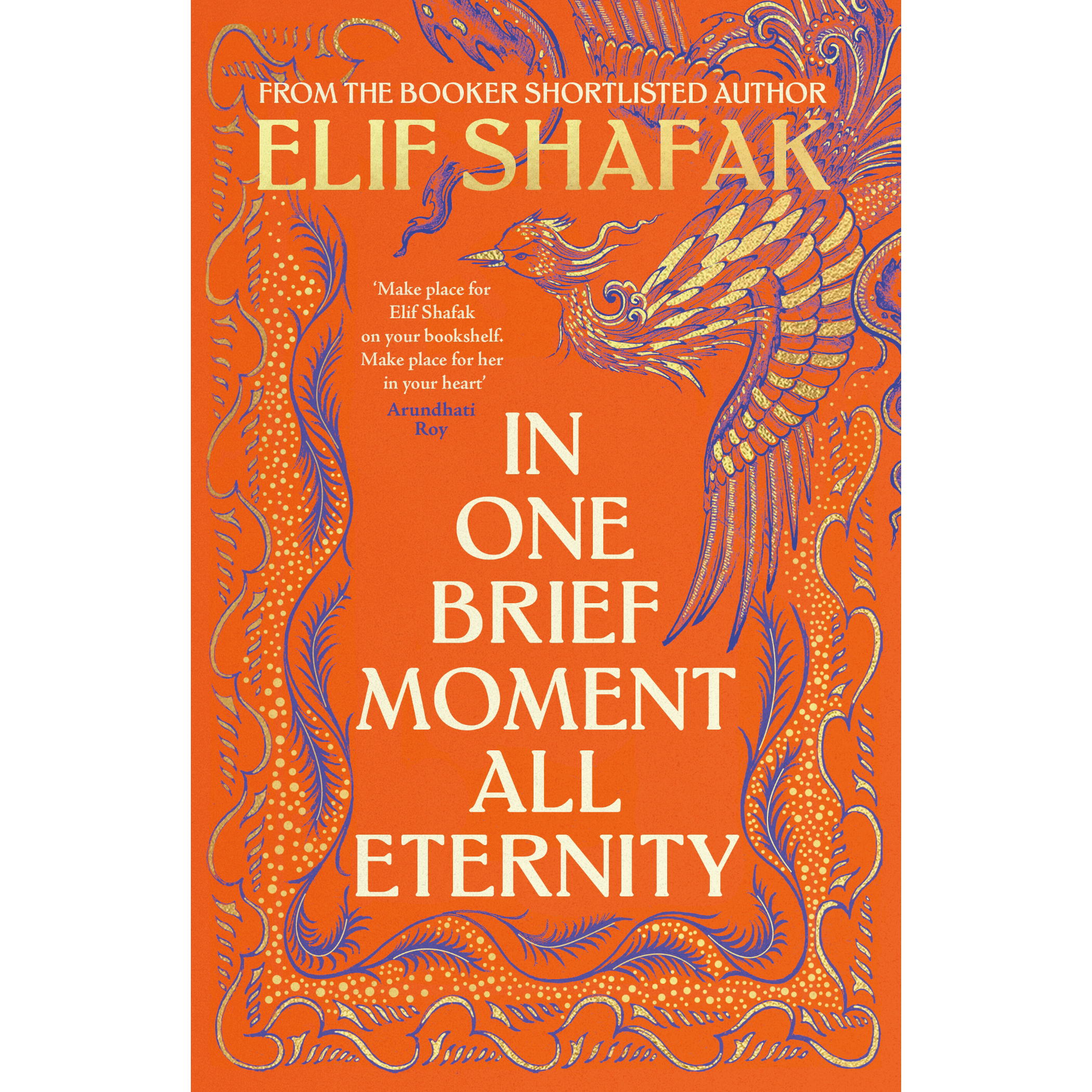
In One Brief Moment All Eternity | By Elif Shafak
During a time of great turmoil, Gustave Flaubert created literature's most scandalous heroine: Madame Bovary. He then poisoned her with arsenic. But what if, 175 years later, Emma – and the women history overlooked – could seize the quill from his hands and tell a different story?
In One Brief Moment All Eternity is a luminous reinvention of an iconic male writer, told through the eyes of the women – real and fictional – who shaped him: a devoted nursemaid, an Egyptian dancer and a passionate, jealous lover who refuses to be forgotten.
Through their voices, visionary author Elif Shafak creates both an intimate portrait of a great artist and an epic meditation on storytelling itself: who gets remembered, who gets erased, and how can literature endure through political upheaval, war and injustice? When the world feels broken, how do we find the hope to carry on?
Shafak takes readers on an extraordinary journey through time and space, from Flaubert's unusual childhood in a house that was part home, part hospital, part morgue, to nineteenth-century Paris during the Revolution, and onwards to Istanbul, Cairo, Palestine and Beirut. In this exhilarating tale, the questions at the heart of her work take on a thrilling new urgency: who gets to speak, and what would the silenced have said?
Boldly inventive, transporting and illuminating, spanning decades and continents, In One Brief Moment All Eternity is a dazzling love letter to literature, untold stories, neglected communities and the enduring spirit of humanity.
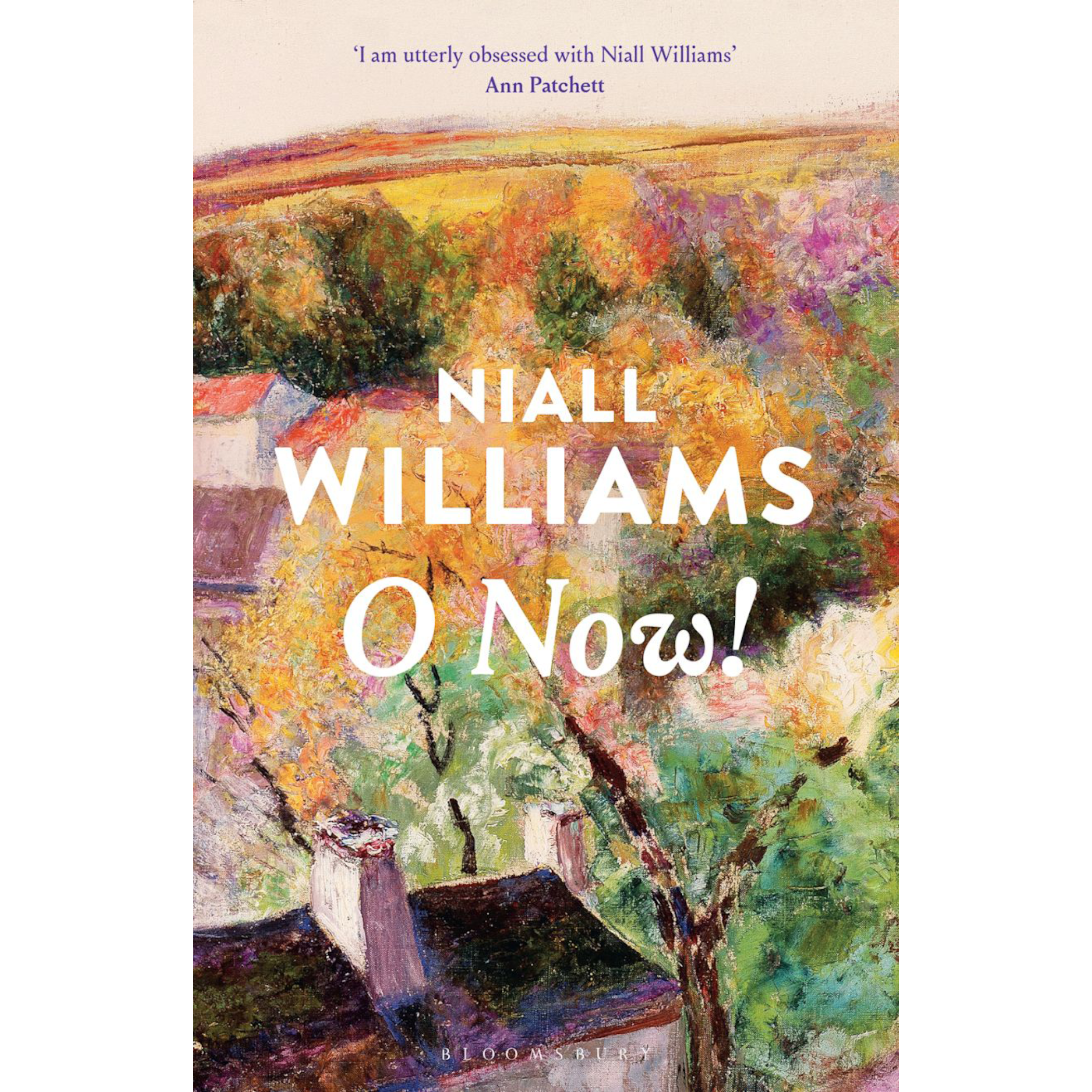
O Now! | By Niall Williams
'This is the why of us'.
October in the parish of Faha, County Clare – the beginning of the season of spirits. Four nights a week, Bat Considine calls on his neighbour Mossie Crowe; a beloved widower known to all in the townland of Faha as Ganga.
They sit by the fire and, as Bat reads the newspaper aloud, wait to see which of them will die first. But this week, Bat will make a discovery that changes this routine forever. In the coming days, Ganga’s small community will gather, and his family travel home from far away; to celebrate a quiet life, in all its miracles.
Funny, beautiful, transcendent and wise, O Now! leads readers back down the road that leads to Faha – and explores what it means to live a meaningful life, and what it means to leave it behind.
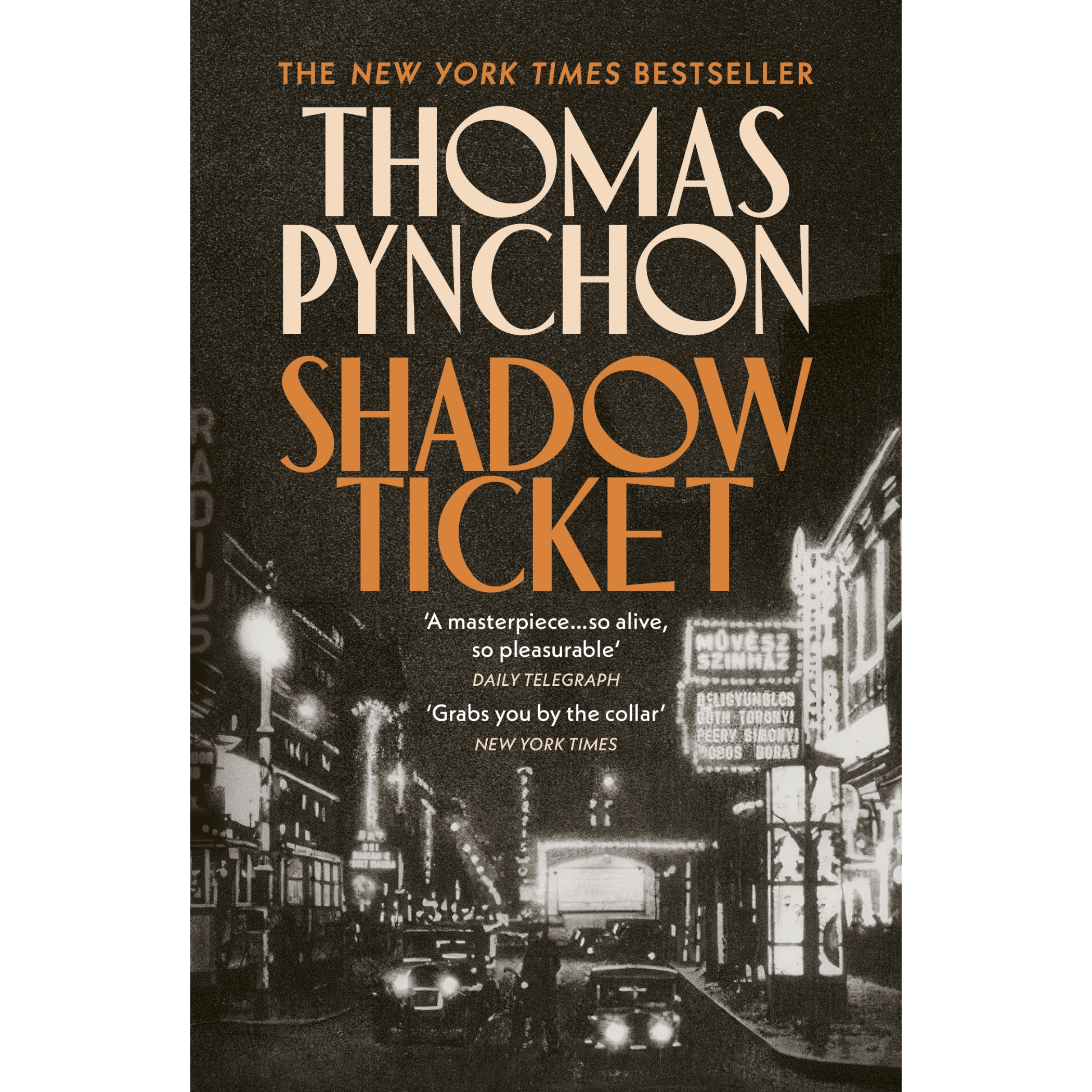
Shadow Ticket | By Thomas Pynchon
Milwaukee 1932, the Great Depression going full blast, repeal of Prohibition just around the corner, Al Capone in the federal pen, the private investigation business shifting from labour-management relations to the more domestic kind. Hicks McTaggart, a onetime strikebreaker turned private eye, thinks he’s found job security until he gets sent out on what should be a routine case, locating and bringing back the heiress of a Wisconsin cheese fortune who’s taken a mind to go wandering. Before he knows it, he’s been shanghaied onto a transoceanic liner, ending up eventually in Hungary where there’s no shoreline, a language from some other planet, and enough pastry to see any cop well into retirement – and of course no sign of the runaway heiress he’s supposed to be chasing.
By the time Hicks catches up with her he will find himself also entangled with Nazis, Soviet agents, British counterspies, swing musicians, practitioners of the paranormal, outlaw motorcyclists, and the troubles that come with each of them, none of which Hicks is qualified, forget about being paid, to deal with. Surrounded by history he has no grasp on and can’t see his way around in or out of, the only bright side for Hicks is it’s the dawn of the Big Band Era and as it happens he’s a pretty good dancer. Whether this will be enough to allow him somehow to Lindy-hop his way back again to Milwaukee and the normal world, which may no longer exist, is another question.
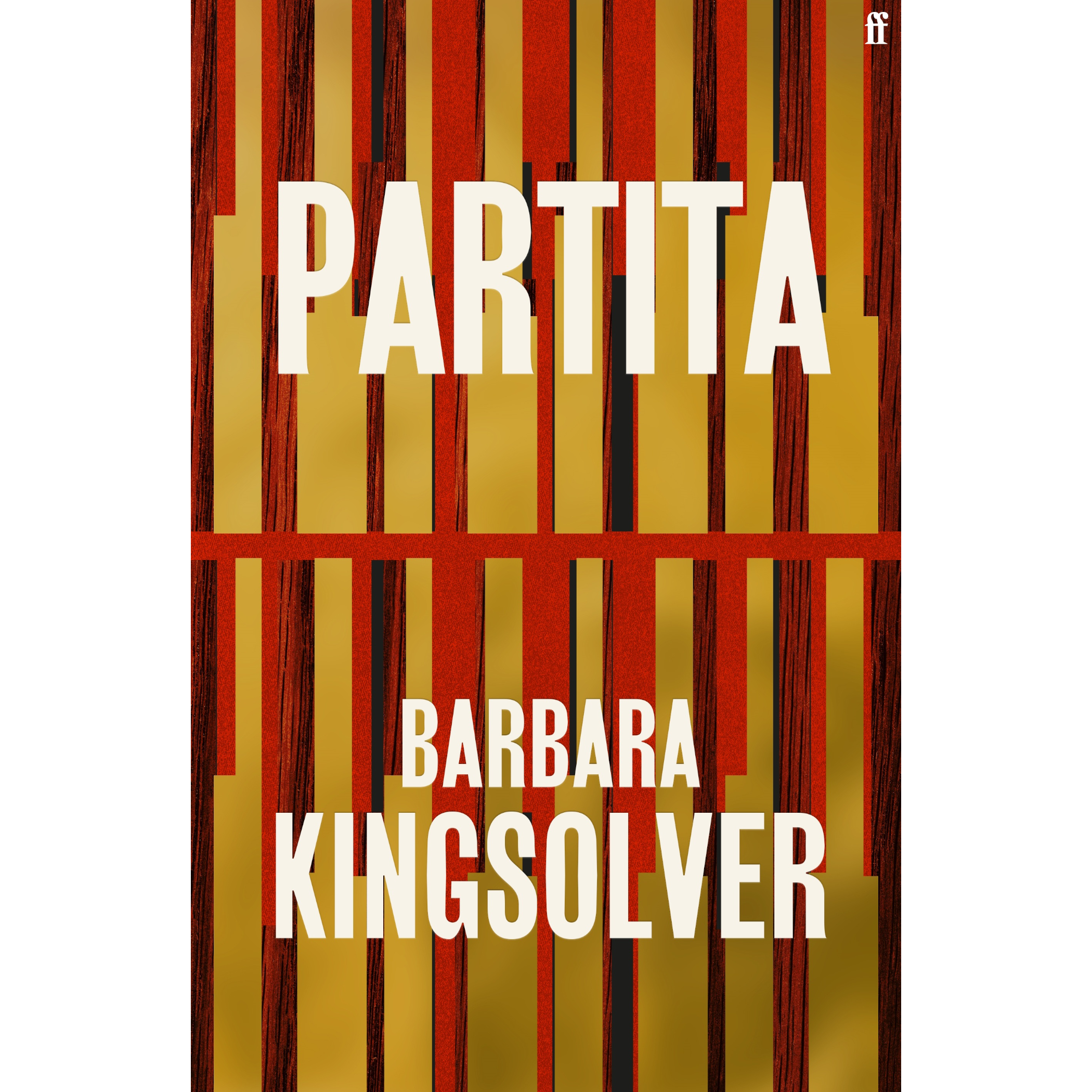
Partita | By Barbara Kingsolver
A song without any answer in it? That's the sound of waiting. Livia Bohusz misses her brother, Cyrus.
Unmoored by his death, and the stifling silence of the family farm, eleven-year-old Livia has no choice but to survive. Her only solace: music, an escape in the quiet rapture piano practice brings. The promise of a new life her talent offers, intoxicating.
So when Livia starts her college music scholarship it feels as if a new life might begin. Immersing herself in her passions in a world where she excels, even as she struggles to fit in with more urbane classmates, she glimpses the possibilities of a life beyond the farm and her parents. Then one springtime, as the smell of reviving grass and crocuses and the sounds of songbirds fill the air, Livia catches a glimpse of shirt sleeves rolled to the elbow, muscles you wouldn't miss in the rear view: 'Who is that man?' It is a question Livia may come to wish she had never asked.
From one of the greatest writers alive comes Livia's story, Partita, both a coming-of-age narrative and an examination of midlife hopes and regrets, a novel as simple as love and longing, as touching, complex and finely tuned as the music it celebrates.
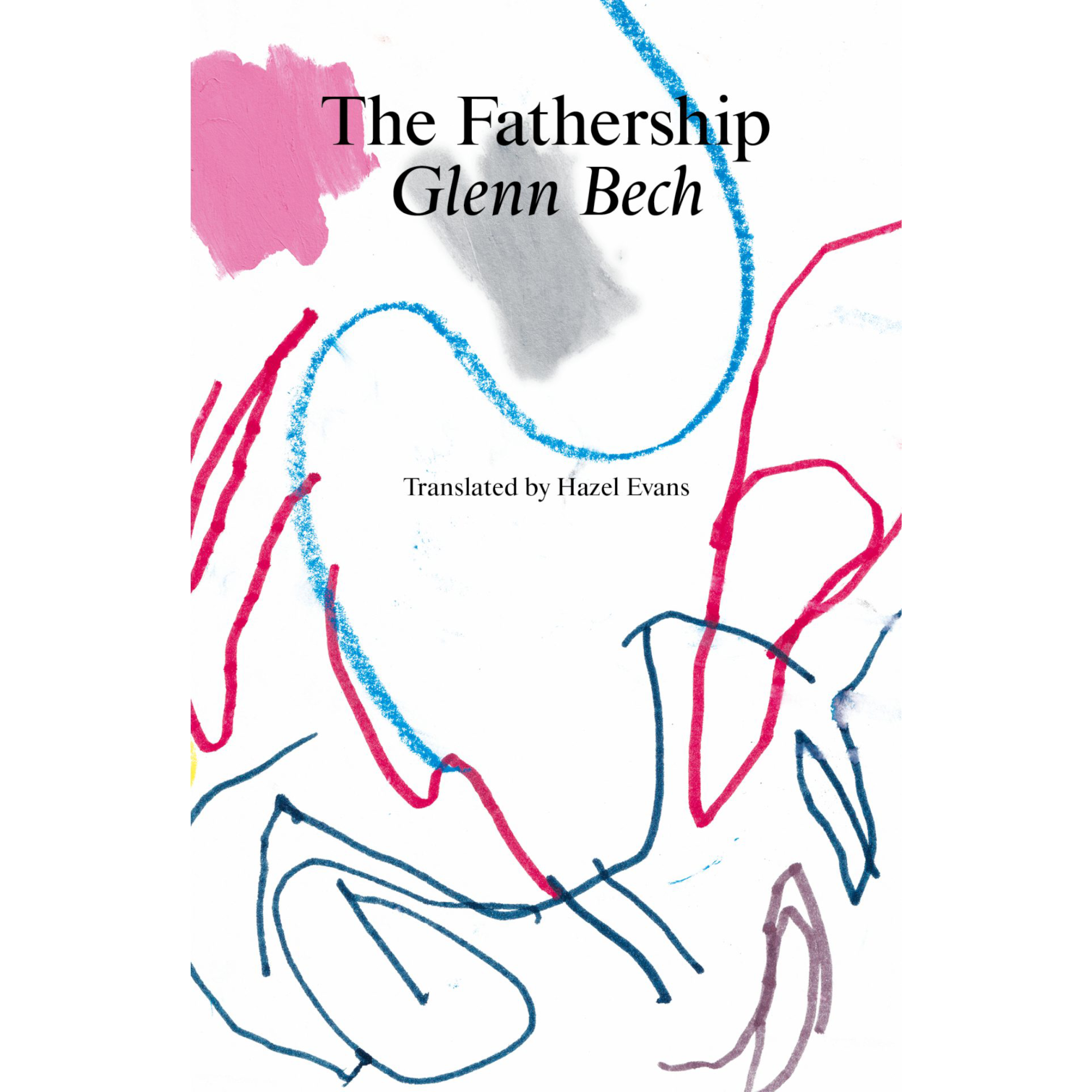
The Fathership | By Glenn Bech | Translated by Hazel Evans
When Glenn is five years old and his younger brother, René, is three, their father commits suicide. In the void left by this incomprehensible loss, the family is shaped by a succession of men who move in and out of their lives. Deconstructing the enormous, destructive power unleashed by suicide, Glenn Bech attempts to find a language for a past that refuses to be remembered.
Through fragments of poetry, letters, and home-video transcripts, The Fathership is a brutal and dazzling work of social realism that stretches the definitions of autofiction to breaking point; a sorrowful and furious documentation of a family in crisis and a psychological search for a father known only through his absence.
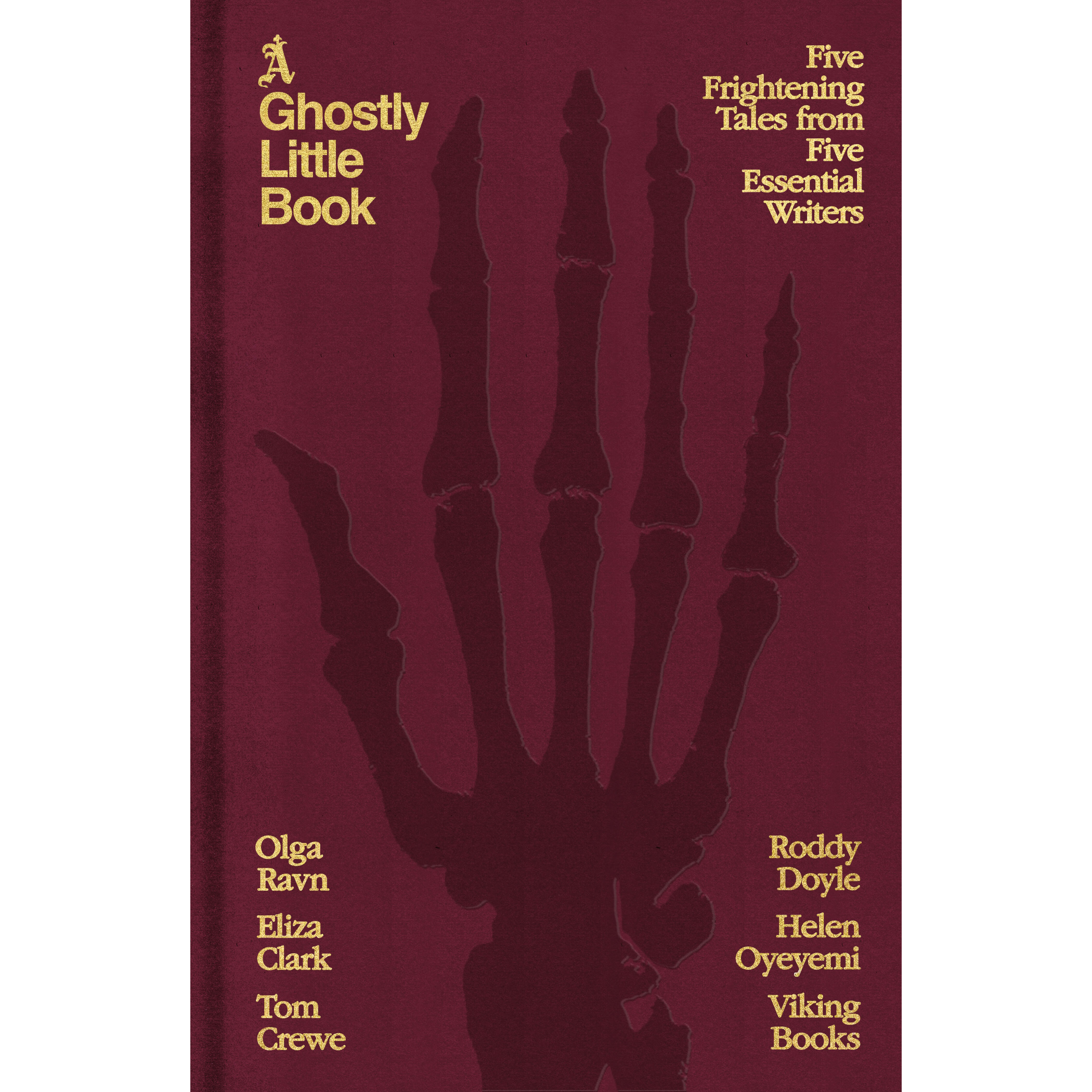
A Ghostly Little Book: Five Frightening Tales from Five Essential Writers | By Olga Ravn, Roddy Doyle, Eliza Clark, Tom Crewe, Helen Oyeyemi
From Edgar Allan Poe to Charles Dickens, from Shirley Jackson to Toni Morrison, the greatest writers have always been drawn to that ancient, mysterious thing: the haunting. A Ghostly Little Book is a slim, beautiful testament to the enduring appeal of the spook, a landmark collection of specially composed modern ghost stories from Roddy Doyle, Olga Ravn, Eliza Clark, Tom Crewe and Helen Oyeyemi, five of the most acclaimed and exciting authors at work today.
With surprising scares and anguished apparitions, with chance encounters, spectral phones and vengeful spirits, these tales chart the many twists and turns the ghost story might take: strange, unsettling, heartwarming, hilarious and, of course, blood-chilling.
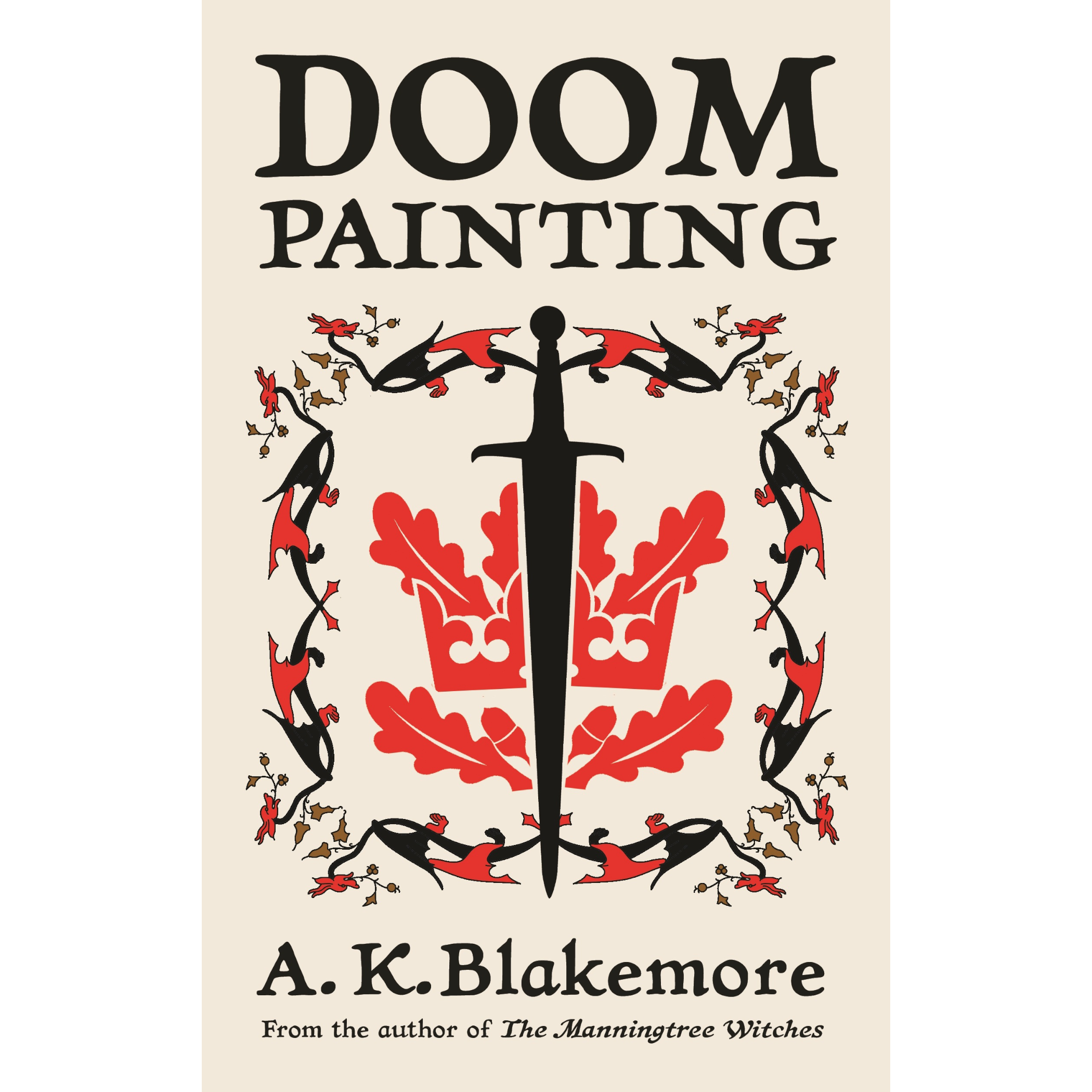
Doom Painting | By A.K. Blakemore
It is 1381. England, reeling from plague and years of conflict abroad, is a tinderbox waiting to spark.
Two childhood friends ride into the town of Brentwood, Essex, where they come upon an altercation with a local Justice bent on squeezing more coin from the masses. Thus begins a rebellion of the common folk - loyal to the king, but not to those wealthy landowners who curtail their freedoms; the multitude finding cause against the powers that threaten their livelihoods. Set over sixteen days, Doom Painting roves across England as the revolt grows and swells and the rebels march to London to take their demands to the child-king Richard II.
Out of the rebellion emerges its enigmatic and charismatic leader Wat Tyler, an opportunistic and mercurial rogue whose morality is birthed by the cause, and who shapes an identity for the English which has never been lost. A. K.
Blakemore's thrilling retelling of the Peasants' Revolt renders it a definitive moment in British history. In the meeting of peasantry and nobility, new versions of England are born, and - for one bloody summer - the people of England seize control.
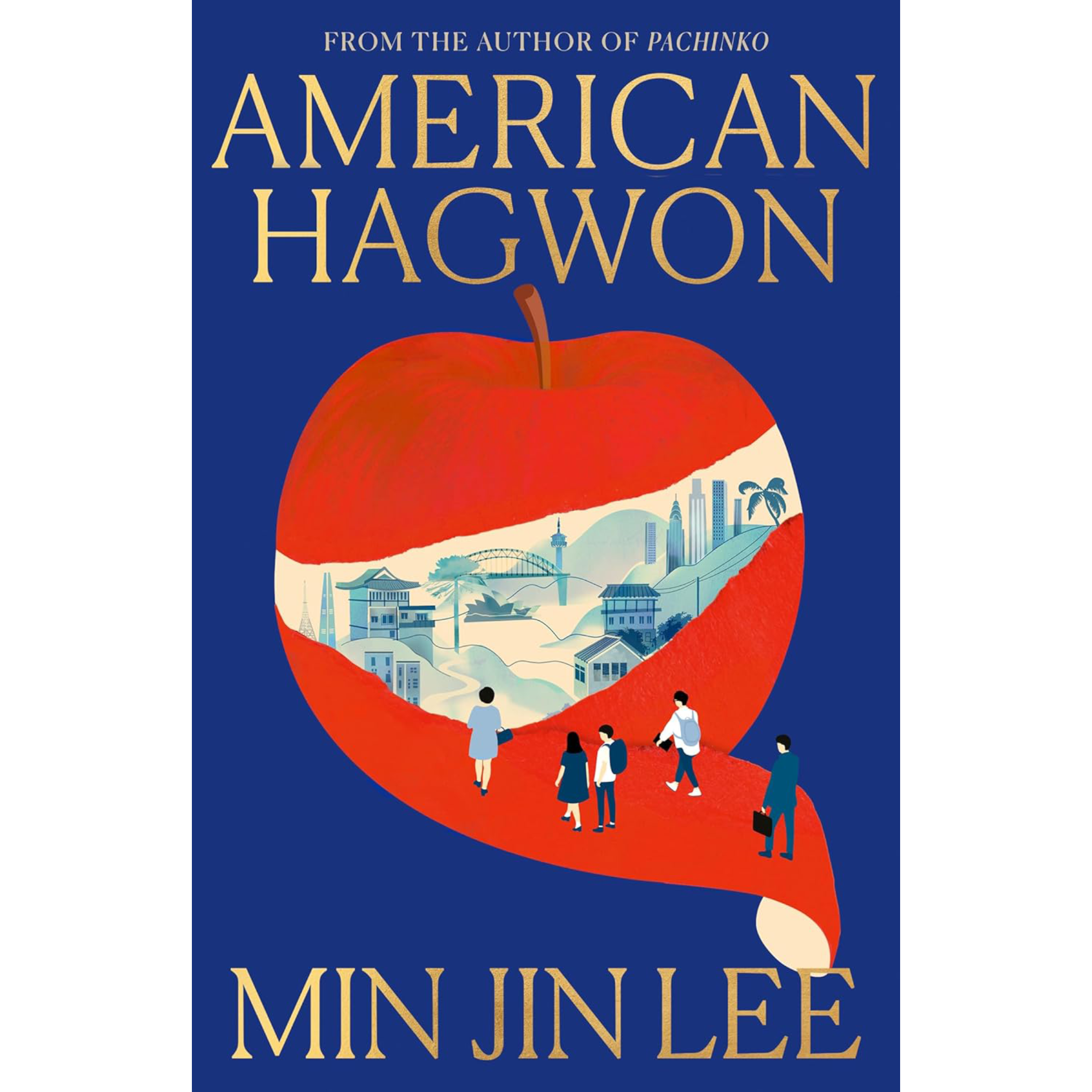
American Hagwon | By Min Jin Lee
John and Helen Koh and their three children – Bo, DH and Mido – are building new lives in Korea when they find their worlds upended, first by a terrible betrayal and then by the 1997 Asian financial crisis. Striving to regain their footing, the Kohs set out to do whatever it takes to provide for their children’s futures.
They leave Seoul for Sydney and eventually settle in California, where new opportunities open for the Koh children, as the parents, strangers in a strange land, adjust to a difficult existence in which their qualifications mean little. Their way forward is lit by the faith that education will lead the next generation to the success and security that have eluded their parents. The Kohs, their friends, relatives and even their foes move in and out of each other’s lives as they navigate love, work, fortune and fulfilment across the years.
But with each new sacrifice and fresh horizon, larger questions begin to open up before them: what are we willing to give up to secure the happiness of the ones we love? What is the purpose of education? And what is truly important for a good life?
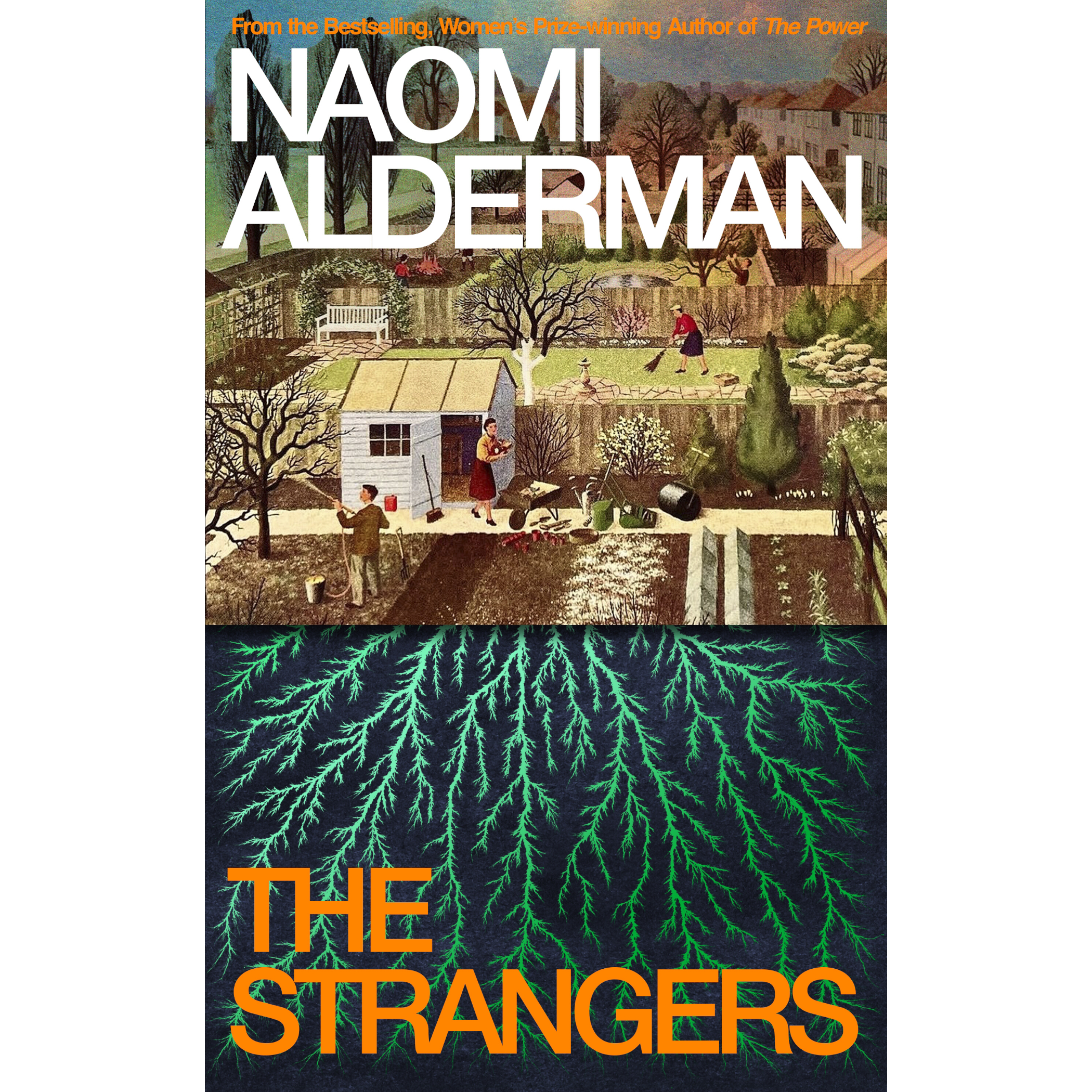
The Strangers | By Naomi Alderman
They had come from nowhere, and now they were everywhere.
A few months after her mother dies, the novelist Naomi Alderman sets up a wildlife camera in the back garden of her parents’ home. It captures the first image of a strange new animal. Low to the ground, about the size of a badger, flat face, long trunk-like nose. Suddenly these ‘mimmoths’ are as common as foxes or dogs. And no one knows where they’ve come from.
As Alderman negotiates the territory of grief – a place with its own logic and rhythms – the mimmoths spread. From the UK east and west, to the United States, to Russia, to India. They seem harmless, but oddly intelligent. They cannot be captured, they will not take food from humans, they have their own purposes. Alderman cannot shake the feeling that she has a particular connection to the creatures.
Or is she just succumbing to ‘mimmoth psychosis’? As the impact of the mimmoths increases, she is pulled into the cross currents of conspiracy theories and global power struggles. Have her deeply personal forms of mourning lent recent events a surreal air, or is our reality changing drastically and irrevocably?
The Strangers is a thrillingly original and devastatingly moving novel that blurs the lines between fiction and reality, inviting us to reconsider what it means to be human. It’s like nothing you’ll have read before.
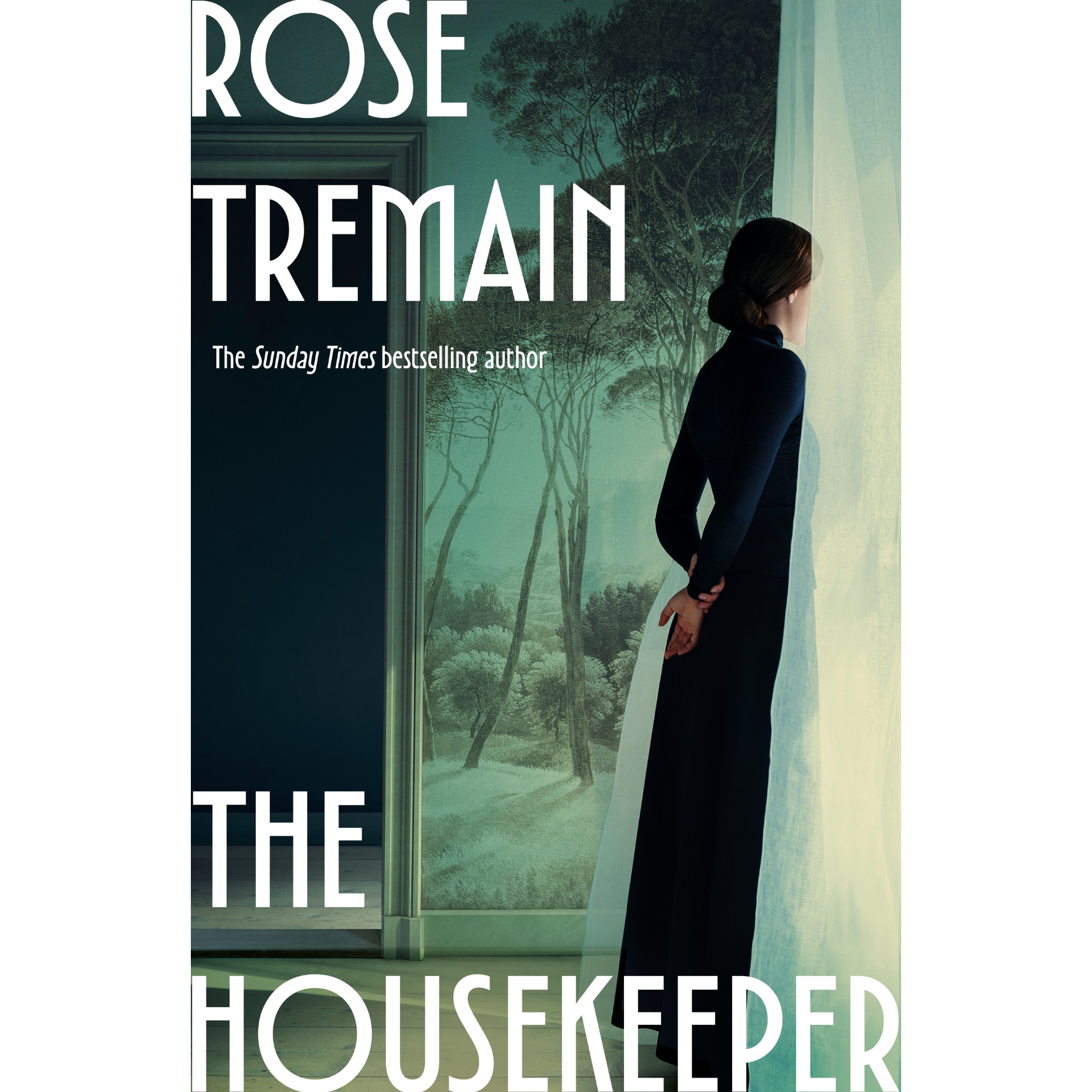
The Housekeeper | By Rose Tremain
Mrs Danowski – known as Danni – is the housekeeper of a grand mansion on the wild coast of Cornwall. When glamorous young writer Daphne du Maurier visits Manderville Hall to research her new novel, she and Danni are drawn into a clandestine and intoxicating affair. For Danni, it is an all-consuming love; for Daphne a submission to long-suppressed desires.
But their fragile secret is vulnerable to prying eyes and destined for heartbreak. When Daphne’s novel launches to triumphant success, Danni is distraught to find herself transformed into a malign and jealous character on the page. She seeks respite from the hurt by telling her own story: The Housekeeper.
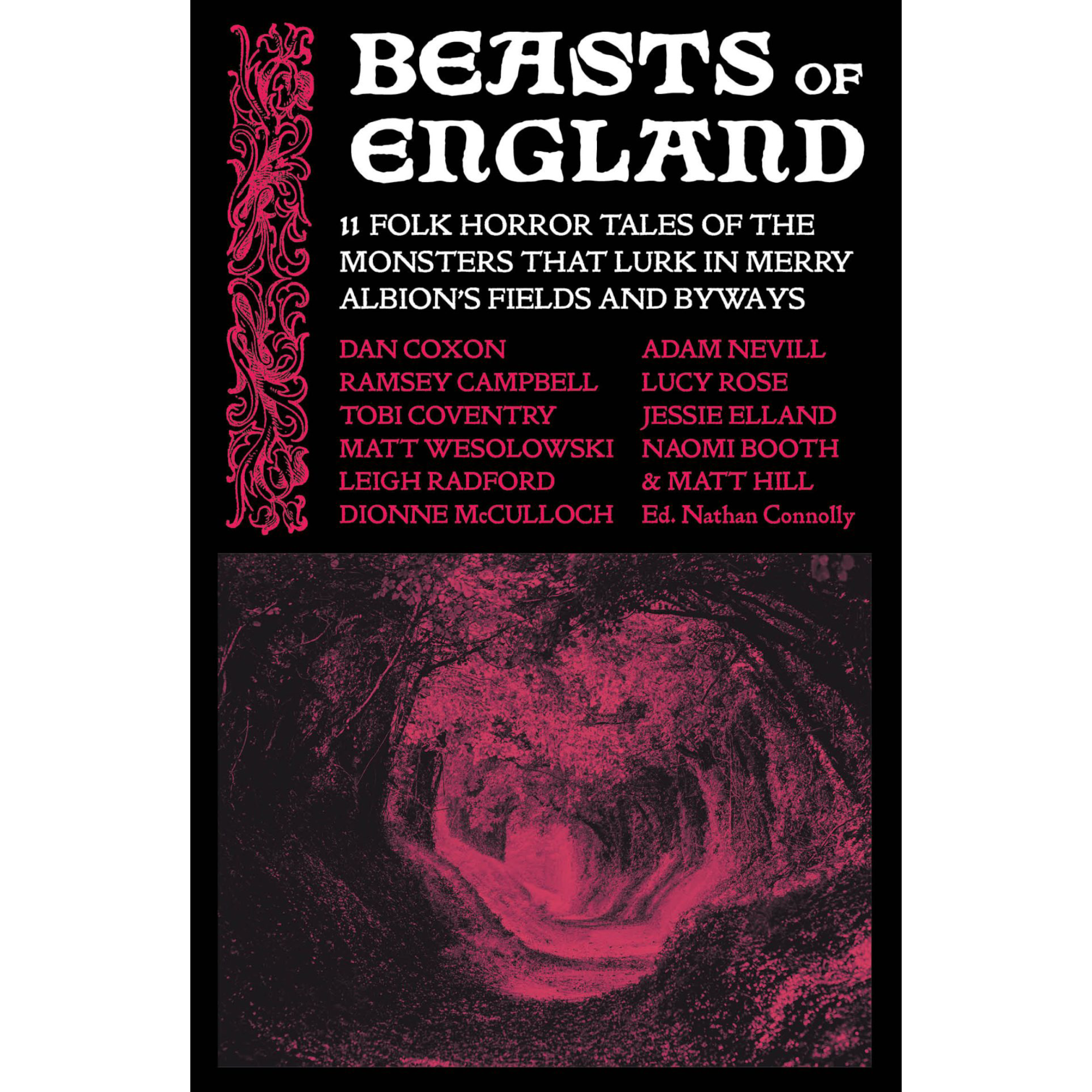
Beasts of England | By Various | Edited by Nathan Connolly
From time immemorial, the landscapes of England have stoked the flames of imagination, in which new and evolving terrors have been forged. For the Romans, England was a fog-bound half-mythical island at the edge of the world, a land of terrifying wonders. For Geoffrey of Monmouth it was a place in which giants resided. Glidas saw a sinful island abandoned by God and ravaged by divine judgement, whilst Bede saw a chosen land of miracles and divine intervention.
Covering all four corners of this green and unpleasant land, these 10 short stories explore the rich mythology, folklore and urban legend that flourishes here. From ancient forests and the things that lurk in their shadows, to desolate moorland, lakes and cities, these authors will take you on a journey of discovery and introduce you to creatures that will haunt your steps eternally.
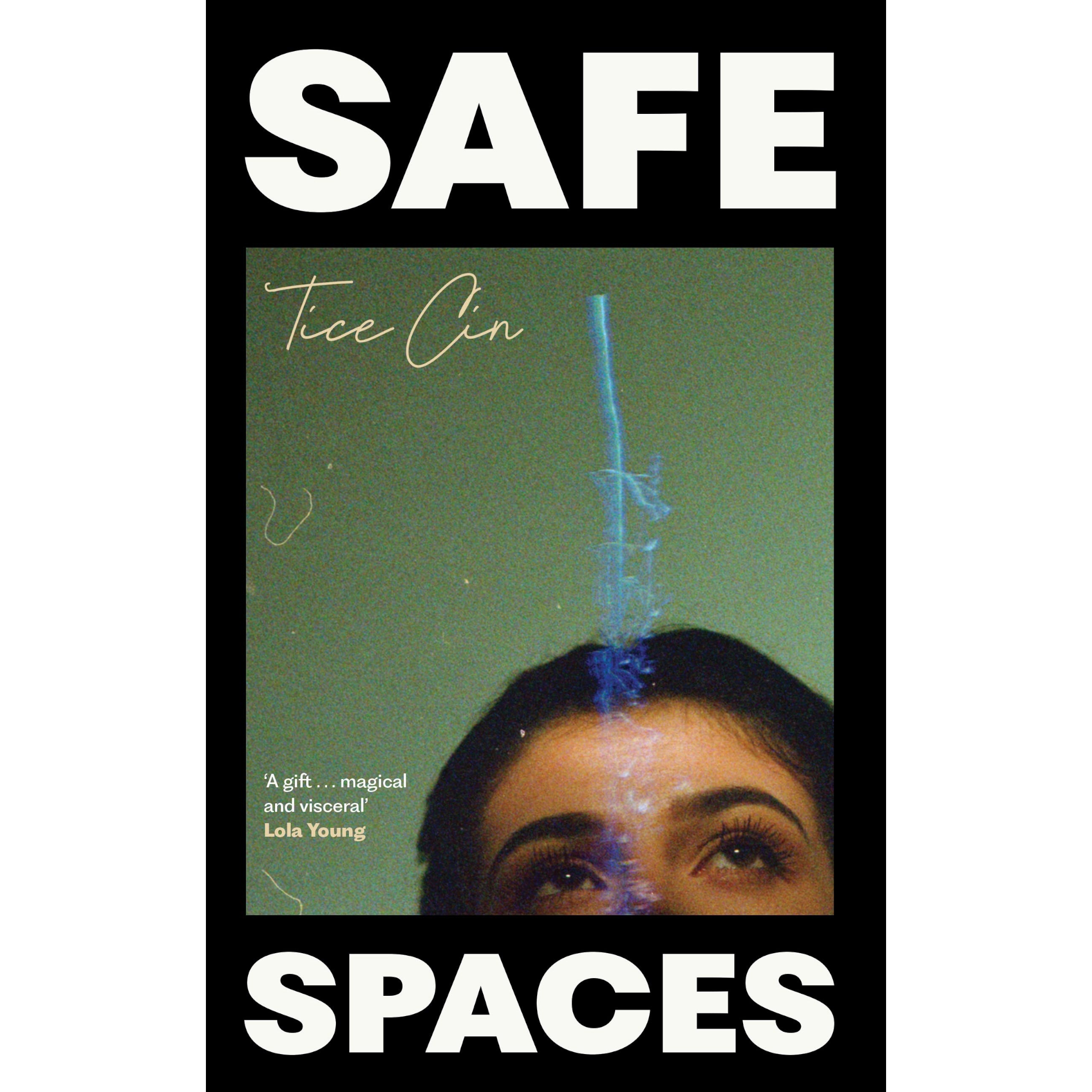
Safe Spaces | By Tice Cin
Our unnamed narrator survives in London and Newark on a combination of Universal Credit, music production and songwriting, trying to figure out what she wants from home, and whether anyone is prepared to give it to her.
Navigating love affairs and halted by pain following the loss of her closest confidante, Safe Spaces is a portrait of the artist as a young musician. Of the DJ booths and dances that shape her, and the worlds she finds herself in: be they local raves, her Turkish-Cypriot family, the beauty parlour or the studio.
At once a songbook, a found poem of place, a therapy transcript and a community journal, Safe Spaces is a work of extraordinary lyricism and candour, confirming Tice Cin as one of the foremost stylists of her generation. A deeply intimate portrait of a community and a moving personal reckoning, it fearlessly asks: can the dream of a safe space ever be realised?
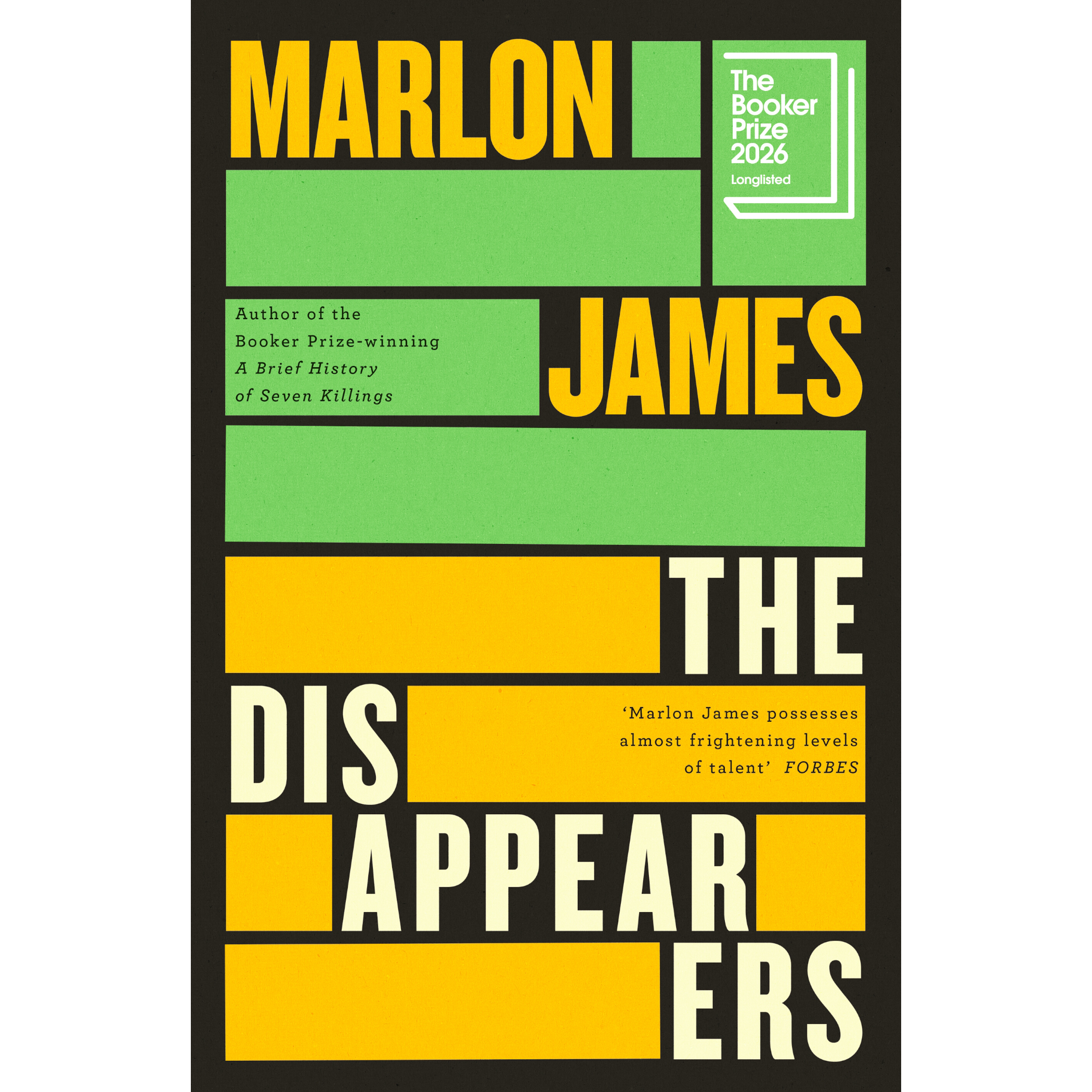
The Disappearers | By Marlon James
So when eight gay men meet for the first time, in Kingston in 1988, answering the casting call for an openly queer play, they are already taking a big risk. But that is nothing compared to what rains down on them when a mob descends on one of their rehearsals. By the end of this night, one man is dead, all are injured, and two subsequently disappear.
As the survivors heal, each man finds he must confront the bigotry and homophobia that the attack laid bare. Some try to forget; some embrace their rage; and some simply vanish – but all are forever scarred. As one of the victims puts it, ‘there’s a difference between when something ends and when something stops’. And this story won’t stop until both the disappearers and the perpetrators have been tracked, along trails both hot and cold, and an ending reached.
Epic and intimate, violent and forgiving, The Disappearers is a tour de force which only Marlon James could have written – both an unflinching portrait of the hatred and shame faced by gay men in a society which refuses to accept them, and a deeply human story of acceptance and insight.
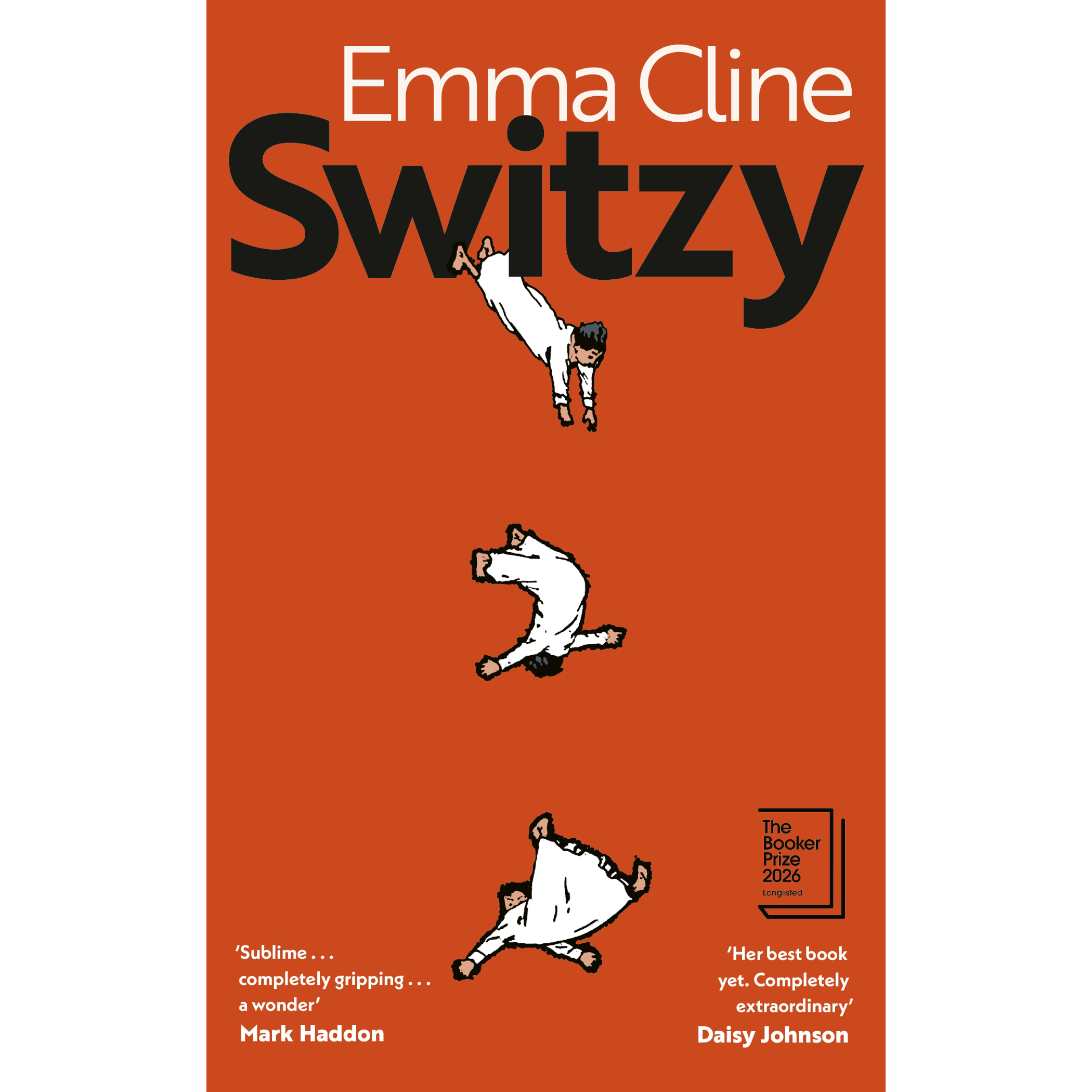
Switzy | By Emma Cline
A private plane cuts through the winter night, somewhere over Greenland. David, a retired executive, sits back in his leather seat, playing solitaire on his phone. Click. Click. Drag. Click.
In his pocket is a notebook filled with urgent reminders — but he can no longer read his own handwriting. He’s travelling with his assistant.
There will be a stopover in London, dinner with his adult daughter, a meeting in France with an old friend. His final destination: a clinic in Zurich. As David glides through hotel rooms, airports and foreign cities, his grasp on the present slips away and the past rushes in. With David’s arrival in Zurich looming, an exquisitely rendered portrait of an unravelling mind emerges.
Hypnotic and moving, Switzy probes the depths of human consciousness, revealing what a man is left with when the accomplishments and compromises that have defined him, and the illusions he's relied on, vanish.
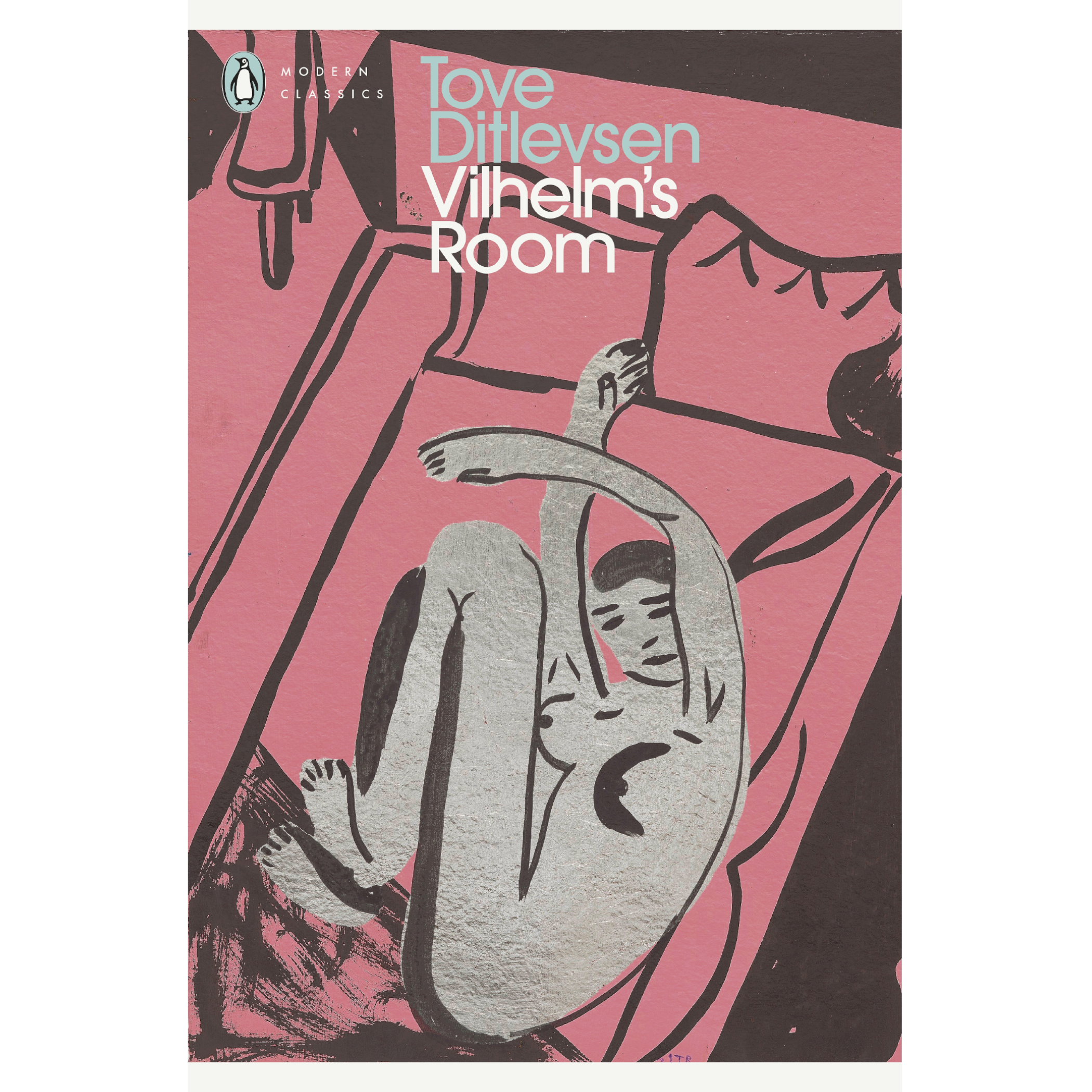
Vilhelm’s Room | By Tove Ditlevsen | Translated by Sophia Hersi Smith and Jennifer Russell
‘I want to write a book about Vilhelm’s room and the events which took place in it, or arose from it; those that led to Lise’s death, which I have survived only so that I might write down the story of her and Vilhelm...’
The ripples from a breakup radiate outwards from the room where a married couple once loved each other, and a bizarre Lonely Hearts advert sets off a train of tragicomic events that lead to an inevitable conclusion. Tove Ditlevsen’s final novel – published a year before her suicide in 1976 – is a masterful conclusion to a great work of writing: a blackly funny and devastating tour-de-force that pulses with life even as it journeys towards death.
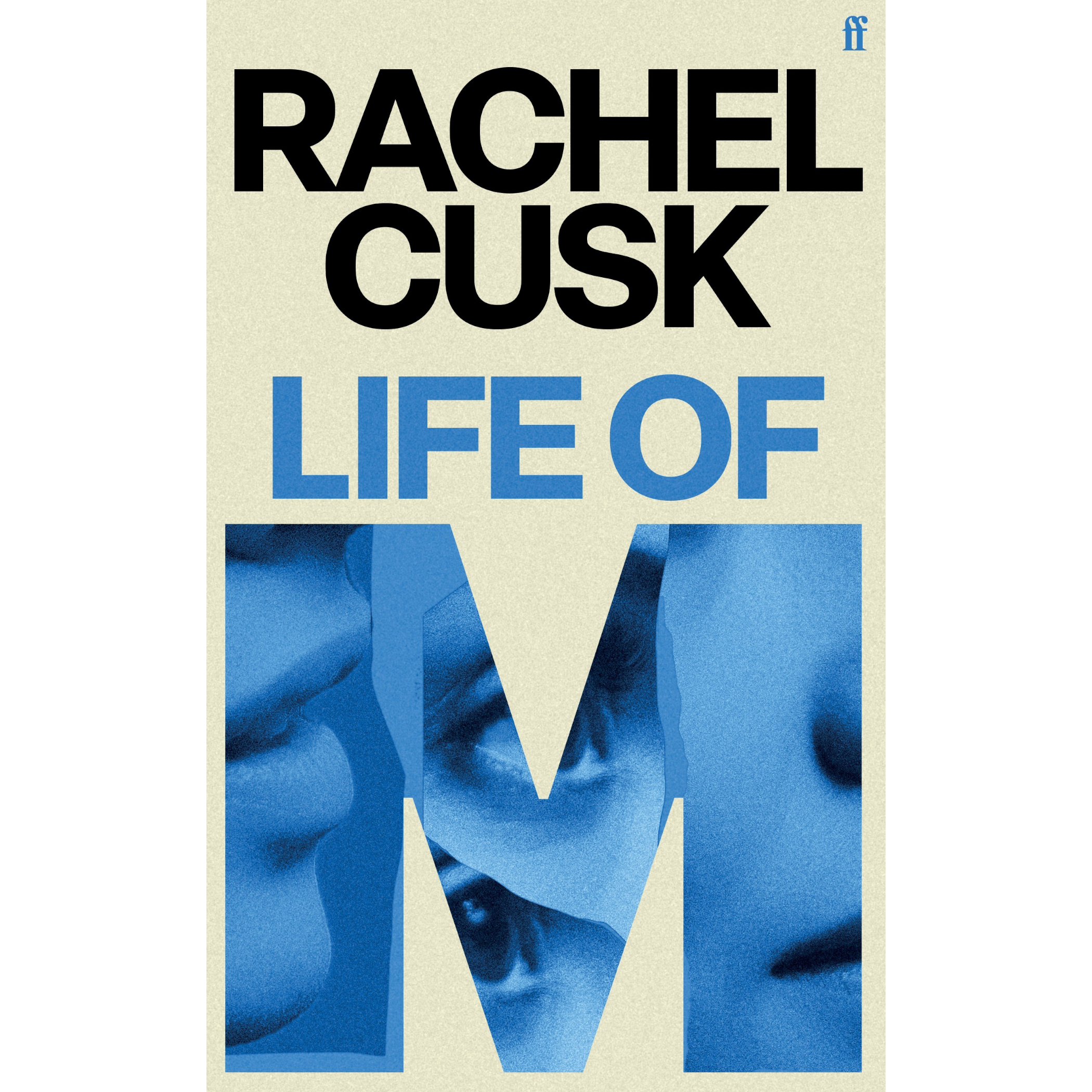
Life of M | By Rachel Cusk
A little while ago, I told the actor M that I was thinking of writing her autobiography. She liked the idea.
She's a good sport. Would you just make it up? she said. M is a film star, and one of the most recognisable faces of our time.
With such fame, her life has the appearance of freedom: people are instantly obliging, spaces are altered to accommodate her, time can be rearranged. For her, it seems, the rules of reality have melted away. Now M has agreed to let a stranger write her biography.
Their project will sprawl and expand: to the olive groves and holiday beaches where M spends her days; across hotel rooms, bourgeois facades, film sets; through endless modern cities. It is hard not to feel ugly next to M, hard not to feel insignificant. But what truths - about the very experience of living - might this proximity allow the writer to briefly capture? And what in the end will M make of their work? In Life of M, Rachel Cusk has again fashioned a new kind of literature.A novel stripped of artifice, it takes our emptiness and fills it with grace.
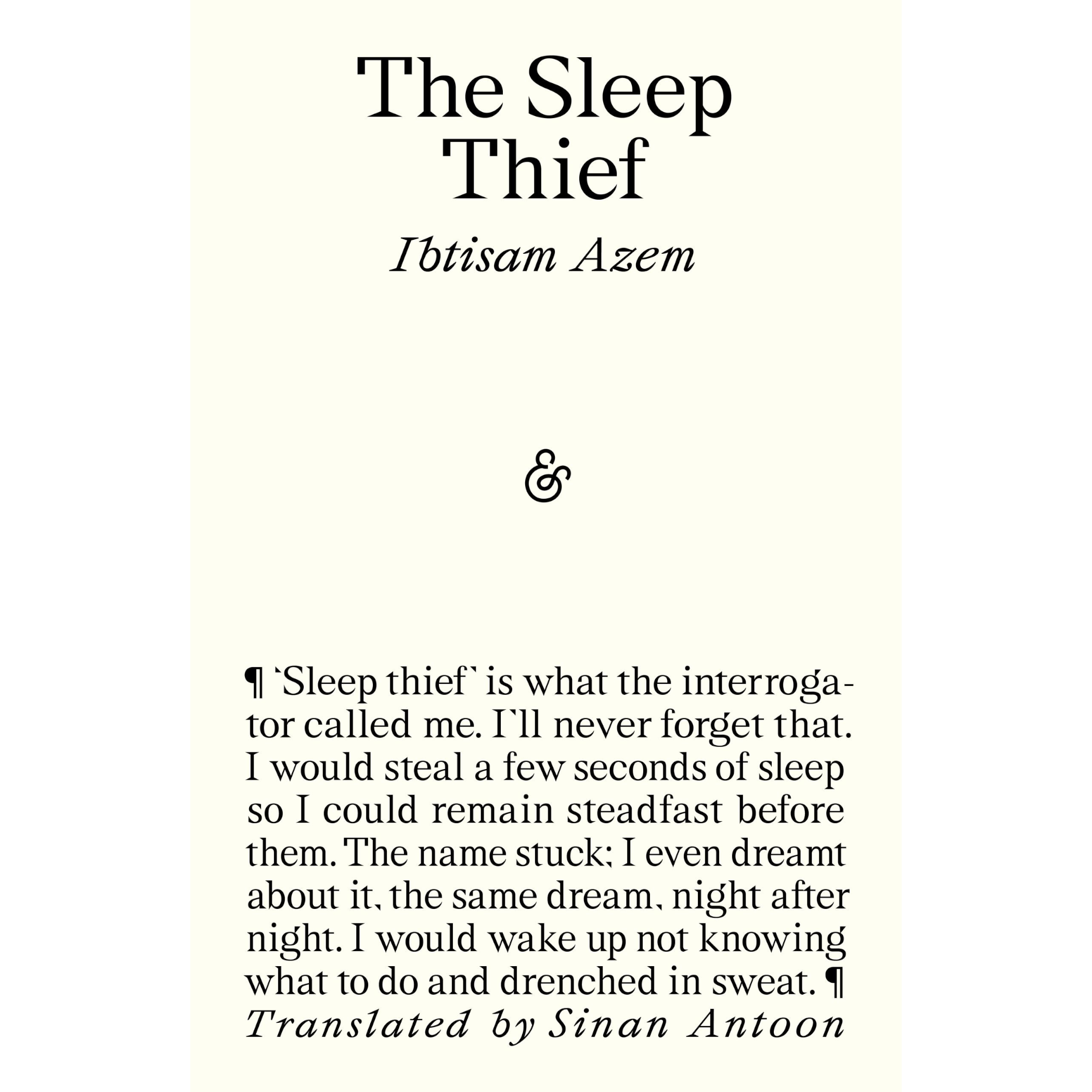
The Sleep Thief | By Ibtisam Azem | Translated by Sinan Antoon
‘Sleep thief is what the interrogator called me. I’ll never forget that. I would steal a few seconds of sleep so I could remain steadfast before them. The name stuck; I even dreamt about it, the same dream, night after night. I woke up not knowing what to do and drenched in sweat.’
The experimental first novel from International Booker-Prize longlisted Palestinian author Ibtisam Azem, The Sleep Thief follows the life of Gharib ('the Stranger') Haifawi as he comes of age, is drawn into resistance, makes friends, meets lovers, pushes back against traditional values, longs to be free of the labels and expectations that burden him, rails against the commodification of suffering, and dreams of a Palestinian identity that will transcend sorrow.
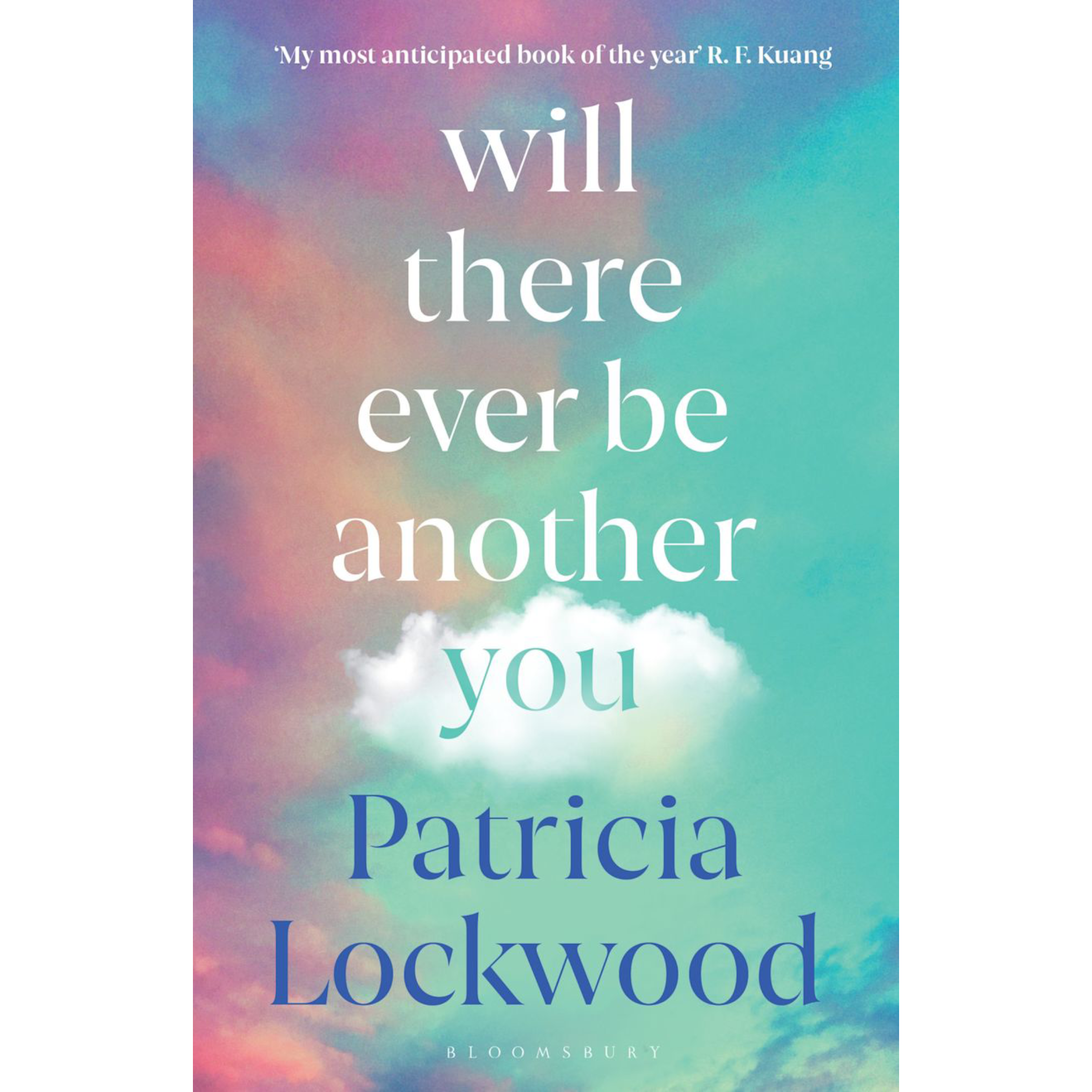
Will There Ever Be Another You | By Patricia Lockwood
The world might be in disarray, but for one young woman, the very weave of herself seems to have loosened. Time and memories pass straight through her body, she’s afraid of her own floorboards, and the lyrics of ‘What Is Love’ play over and over in her ears. ‘I’m sorry not to respond to your email,’ she writes, ‘but I live completely in the present now.’
Tearing through the slippery terrains of fiction and reality, the possibility for human connection seems to beckon from the other side – and with it, the chance for a blinding re-emergence into the world.
From one of our most original, inventive and prodigiously funny writers, Will There Ever Be Another You is a phosphorescent, wild and profound investigation into what keeps us alive in unprecedented times.
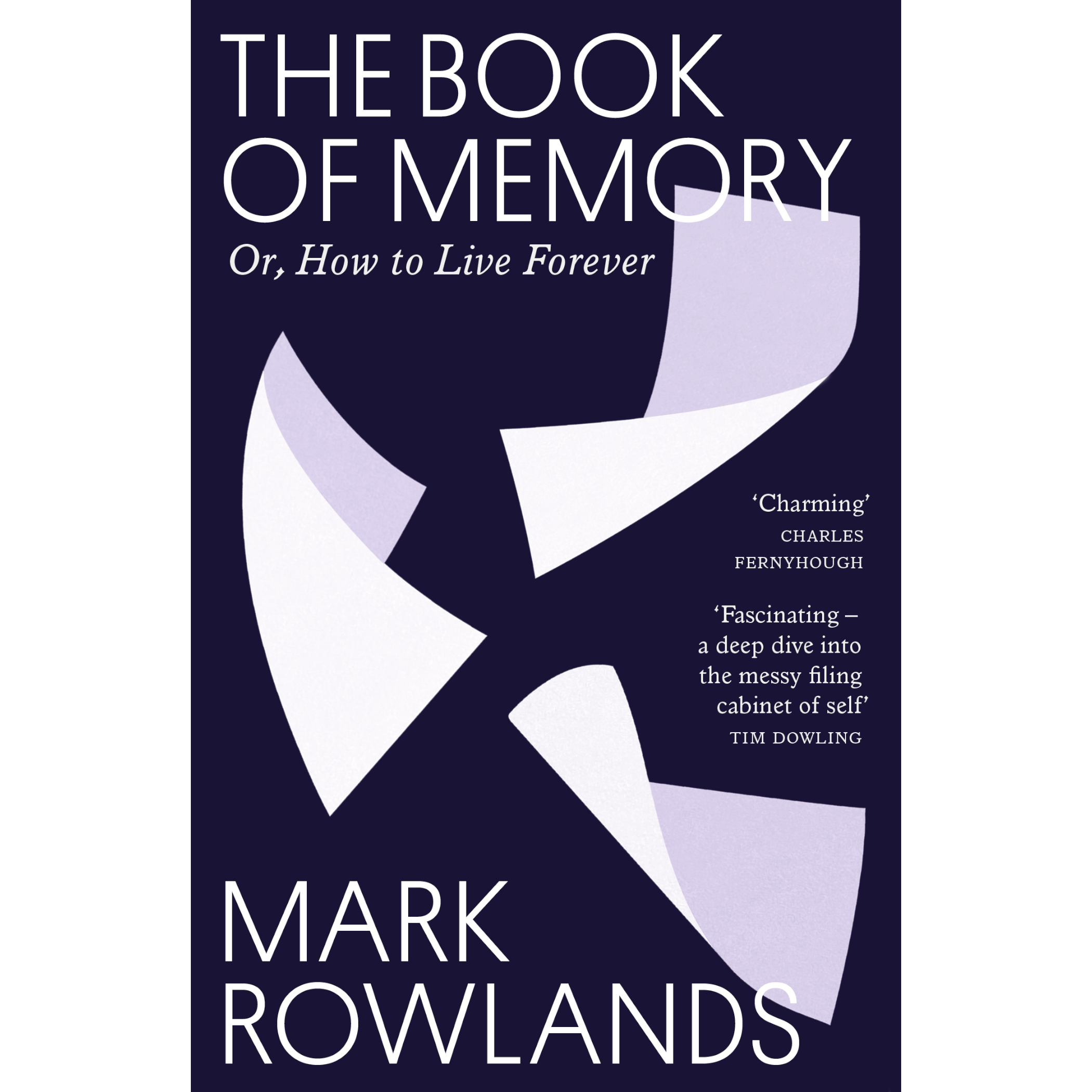
The Book of Memory: Or, How to Live Forever | By Mark Rowlands
'The book of you is dominated by night-black seas, sprinkled with shining island sentences: tiny islets of remembrance, glimmering in the night.'
Memory isn't all that we think it is. Each time we revisit even our most deeply ingrained memories, they can soften and consolidate, distorted. Yet they also carry within them the blueprint of each person's unique style.
From episodic memories like shining islands in dark water, and forgotten memories that underpin our personalities, to the memories authored by others that we carry within us, Rowlands explores our negotiations with the past and how memory makes us who we are. Drawing on the latest neurological and psychological research and on a range of writers and thinkers, The Book of Memory is a mesmerising journey into how memories are made, lost and remembered, with important consequences for how we understand ourselves.
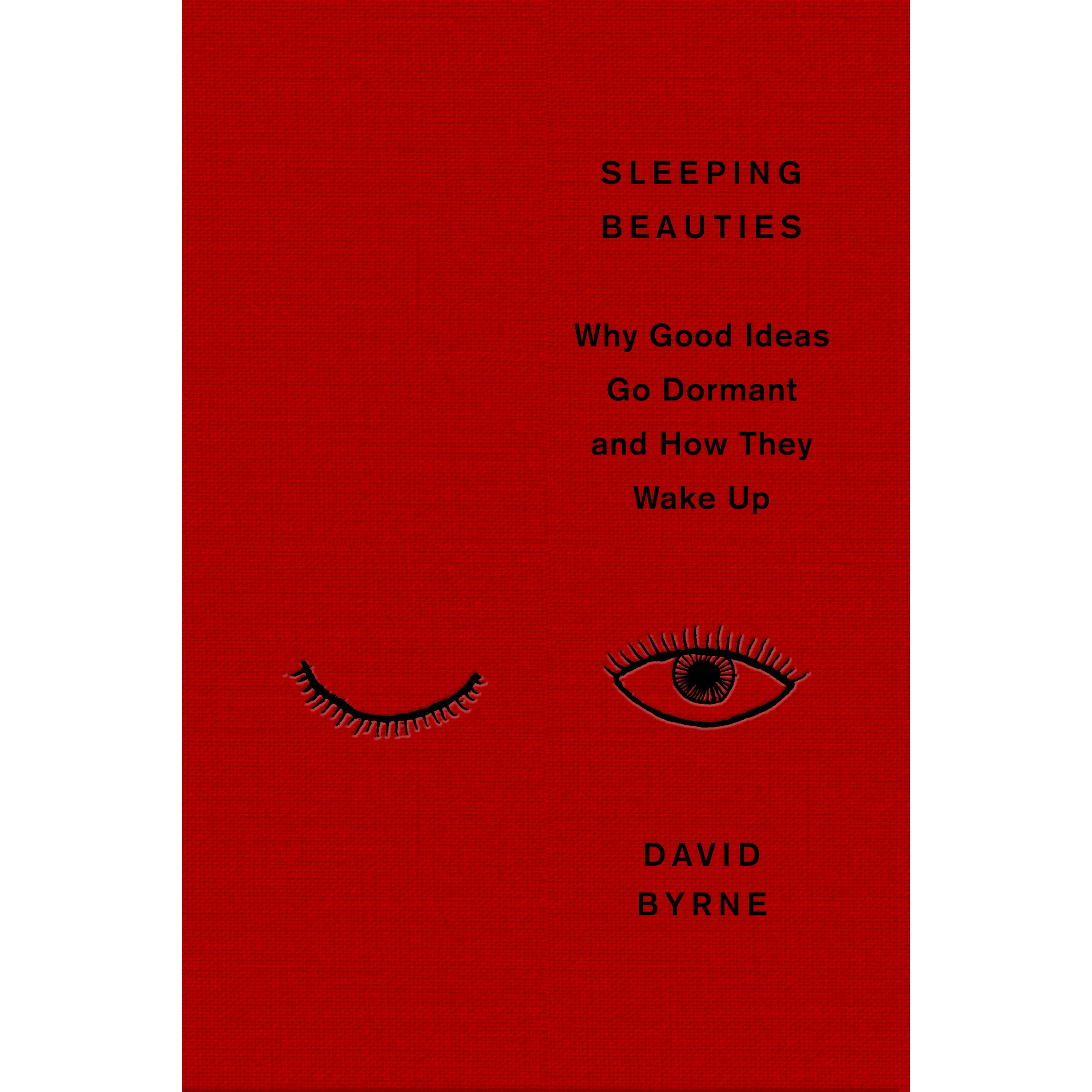
Sleeping Beauties: Why Good Ideas Go Dormant and How They Wake Up | By David Byrne
A 'Sleeping Beauty' is a brilliant idea that is ahead of its time. So many breakthroughs in arts or science were like this, lost on their initial audience and only later revived and acknowledged to be great. This book asks, why do some ideas fall asleep? And how do they wake up?
We love to believe in a meritocracy of ideas - that greatness is always recognised, innovation always seized upon and rewarded. Yet so many of the people we now recognise as the world's great creators initially got little traction for their work. It was only later, often much later, that their work comes roaring back to life and made a lasting impact. Discoveries as diverse as dark matter to continental drift, technologies from solar panels to the steam engine, artists from Brueghel to Vermeer to Melville all created 'sleeping beauties'.
Ranging across many centuries and the full scope of human endeavour, Byrne explores their stories and gives us a lens for identifying future breakthroughs. Humbling yet hopeful, these stories celebrate the courage to try new things and the wisdom to embrace them.
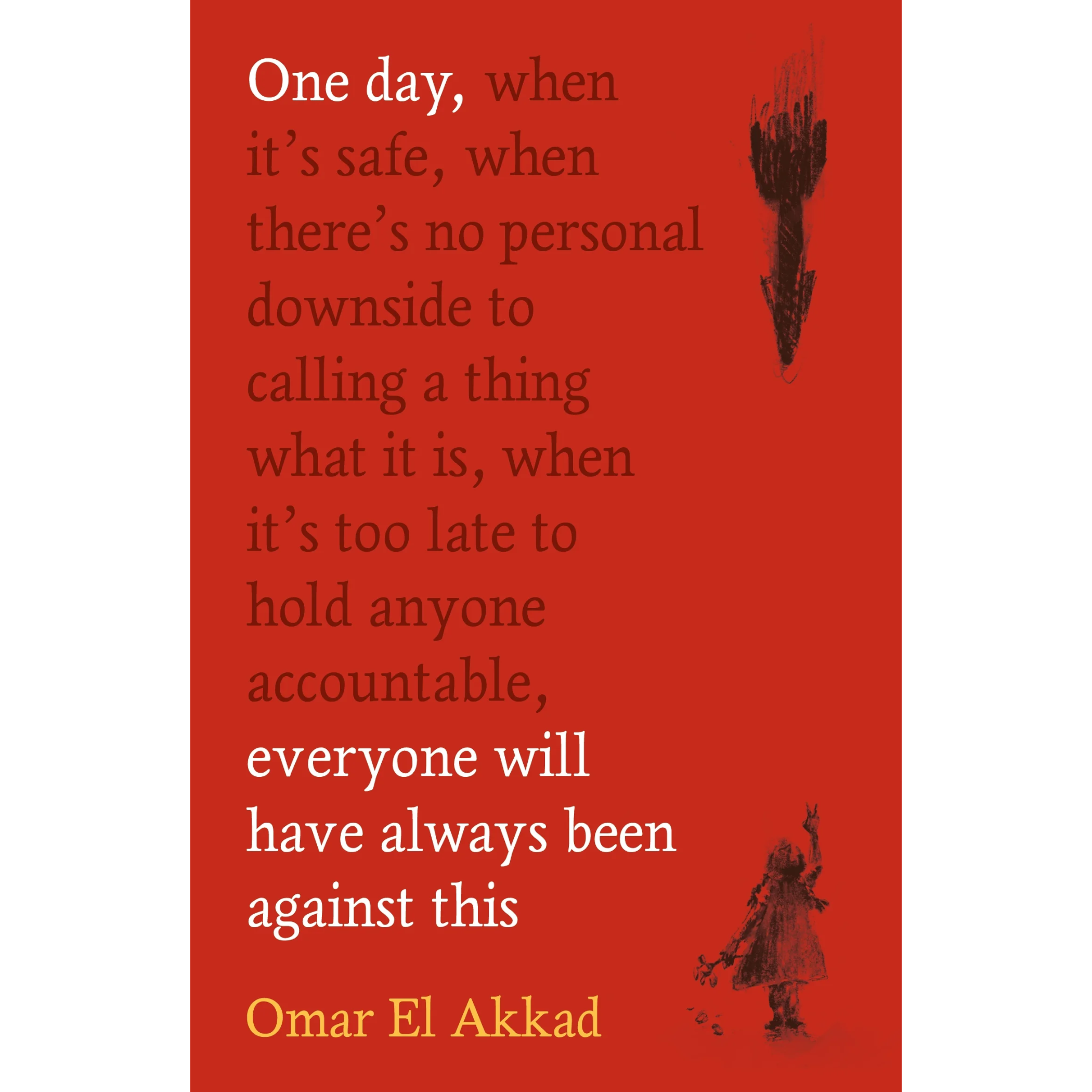
One Day, Everyone Will Have Always Been Against This | By Omar El Akkad
One Day, Everyone Will Have Always Been Against This is an urgent and necessary reckoning about what it means to live in the West today.
This is a book for those that have tired of moral emptiness.
This is a book for everyone who wants something better.

Craftland: A Journey Through Britain’s Lost Arts and Vanishing Trades | By James Fox
Britain has always been a craft land. For generations what we made with our hands defined our identities, built our communities and shaped our regions. Craftland chronicles the vanishing skills and traditions that once governed every aspect of life on these shores.
Travelling the length of Britain, from the Scilly Isles to the Scottish Highlands, James Fox seeks out the country’s last remaining master craftspeople. Stepping inside the workshops of blacksmiths and wheelwrights, cutlers and coopers, bell-founders and watchmakers, we glimpse not only our past but another way of life — one that is not yet lost and whose wisdom could shape our future.
For as long as there are humans, there will be craft. It is all around us, hiding in plain sight, enriching even the most modest things. And in this increasingly digital age, it is perhaps more valuable than ever. Craftland is a celebration of that deeply necessary connection between our creative instincts and the material world we inhabit, revealing a richer and more connected way of living.
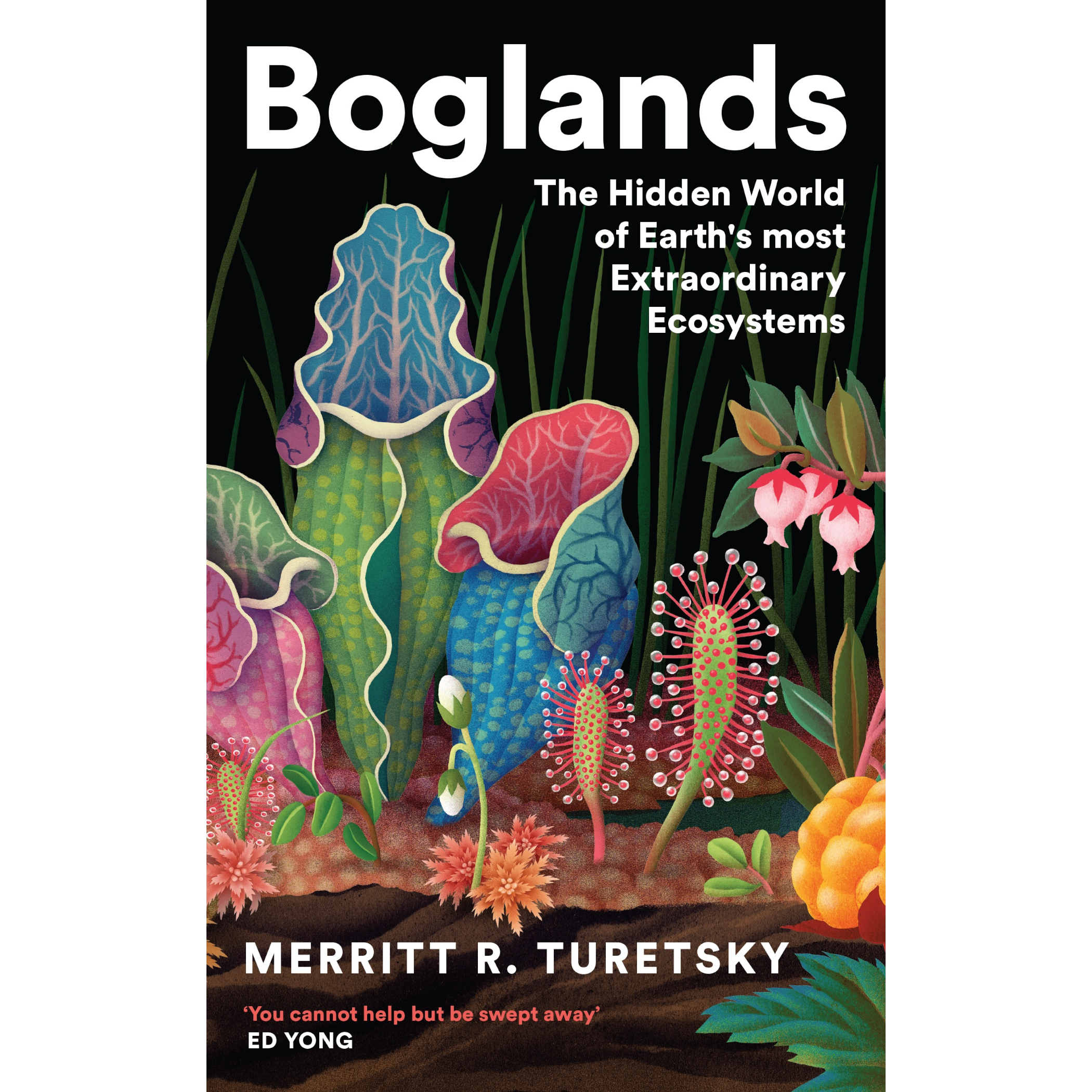
Boglands: The Hidden World of Earth's Most Extraordinary Ecosystems | By Merritt Turetsky
Step into the unearthly world of bogs. Sink beneath the surface. In this sumptuous, fecund place, what wonders await you? This is a world with an ecology like no other, where amphibian-eating plants and acid-flinging mosses grow rampant. A realm of peat, laid down layer upon layer, preserving millennia of Earth's history.
A dark, vertical landscape where the sheer abundance of carbon precariously locked away holds our very future in balance. Above all, bogs are places of paradox, where past meets present in the remarkably preserved artefacts and bodies entombed in their depths, land meets water in an otherworldly landscape, and safety meets danger for those who dare to venture into the heart of the bog.
With renowned bog ecologist Merritt Turetsky as your guide, Boglands is an invitation to enter a beguiling landscape that will irrevocably change the way you see the natural world.
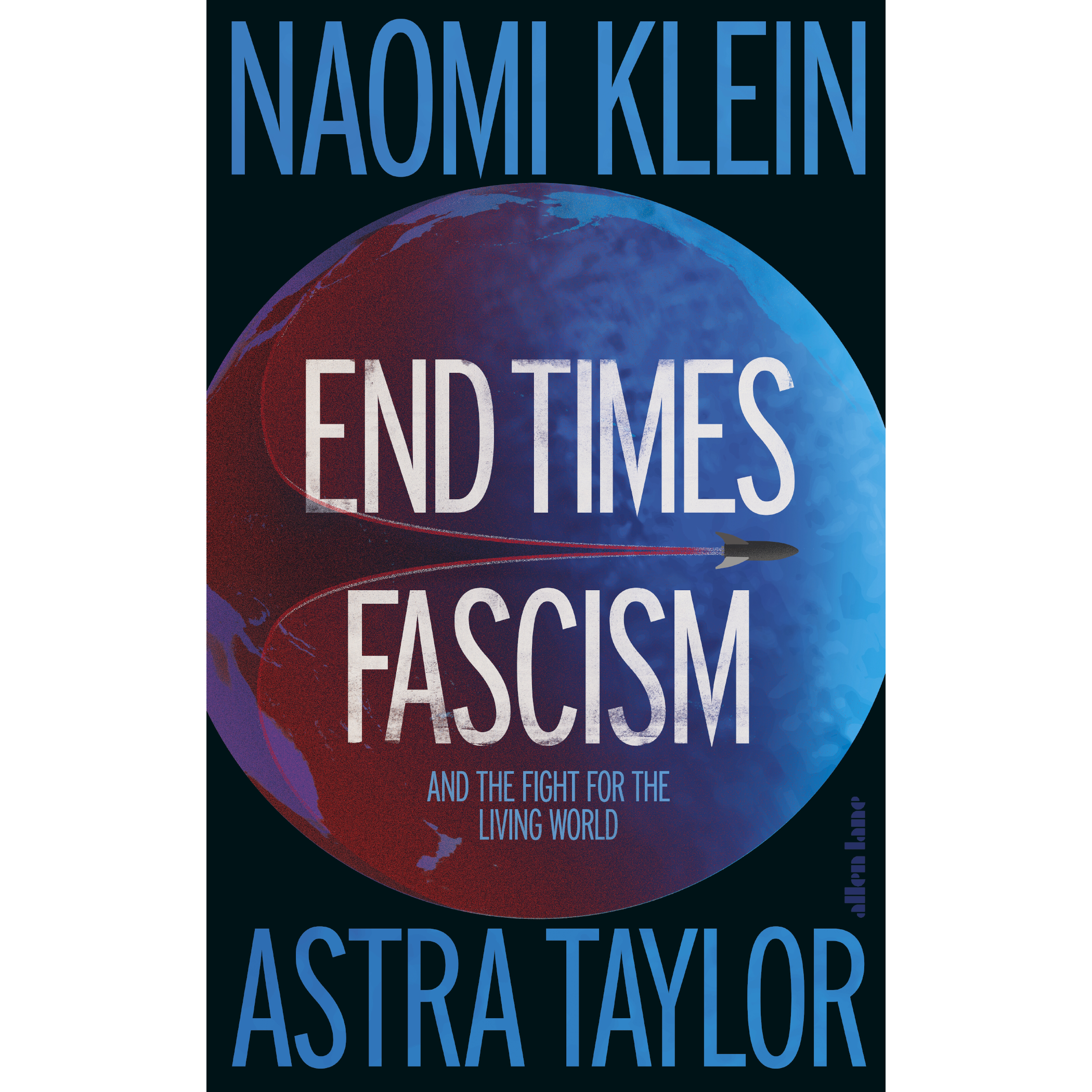
End Times Fascism: And the Fight for the Living World | By Naomi Klein and Astra Taylor
The far right is on the march again – but this time it’s different from anything we’ve seen before. A new, apocalyptic alliance of religious fundamentalists, billionaire Silicon Valley tech kings and ethno-nationalists is on the move. They’re united in their belief that some kind of cleansing cataclysm is coming, and they welcome a future of shocks, scarcity and collapse, convinced they’ll be among the saved on the other side. This is the world of End Times Fascism.
In this blistering reckoning with our age, Naomi Klein and Astra Taylor take us deep into this man-made Armageddon complex – and show us how to resist it. Around the globe, they investigate how those who are making our world unliveable through climate chaos and job-consuming AI are preparing to protect themselves from the fallout, whether it’s by repairing to luxurious private islands for the super-rich, rocketing off to Mars or bunkering nations against a dehumanized ‘other’.
But, Klein and Taylor reveal, the new supremacist survivalists are far from impregnable. They have no vision of a shared future. All they offer are remixes of a bygone past: the nihilistic, sadistic pleasures of domination.
If we’re to meet this critical moment and defend what’s left of democracy before it’s smashed up beyond repair, we must break the doom loop, and find a new way of living together, rooted in our existence on this earth, in the here and now. A story not of end times – but of better times. This book shows us how.

Fanzine: The story of football's alternative press | By Daniel Gray
Demonised and left to watch games in decrepit stadiums, life as a football supporter in the 1980s was a demoralising experience. While some fans turned to violence, many more turned to typewriters, Tippex and staple guns to create a mass movement that transformed a bleak time into a hopeful one. Adopting a DIY punk ethos, fanzine founders spread their pages across the land.
Their funny, articulate and occasionally scandalous creations were sold outside grounds from Inverness to Torquay, with most British clubs covered – sometimes by multiple titles. These inky mouthpieces questioned the old order, frightening those who ran the game and provoking many a banning. Through extensive archival research and interviews, Fanzine tells the story of the phenomenon during its boom years.
It offers an alternative history of football in a monumental period – from Heysel to the Premier League, via Hillsborough and Italia ’90 – as witnessed from the stands. Deploying fans’ colourful and often sardonic words, Fanzine transports readers back to the terraces of old, for better or worse – bad Bovril and suspect pies are never far away. Told in book form for the first time, Fanzine is the poignant, nostalgic and absorbing story of an era that changed going to the match forever.
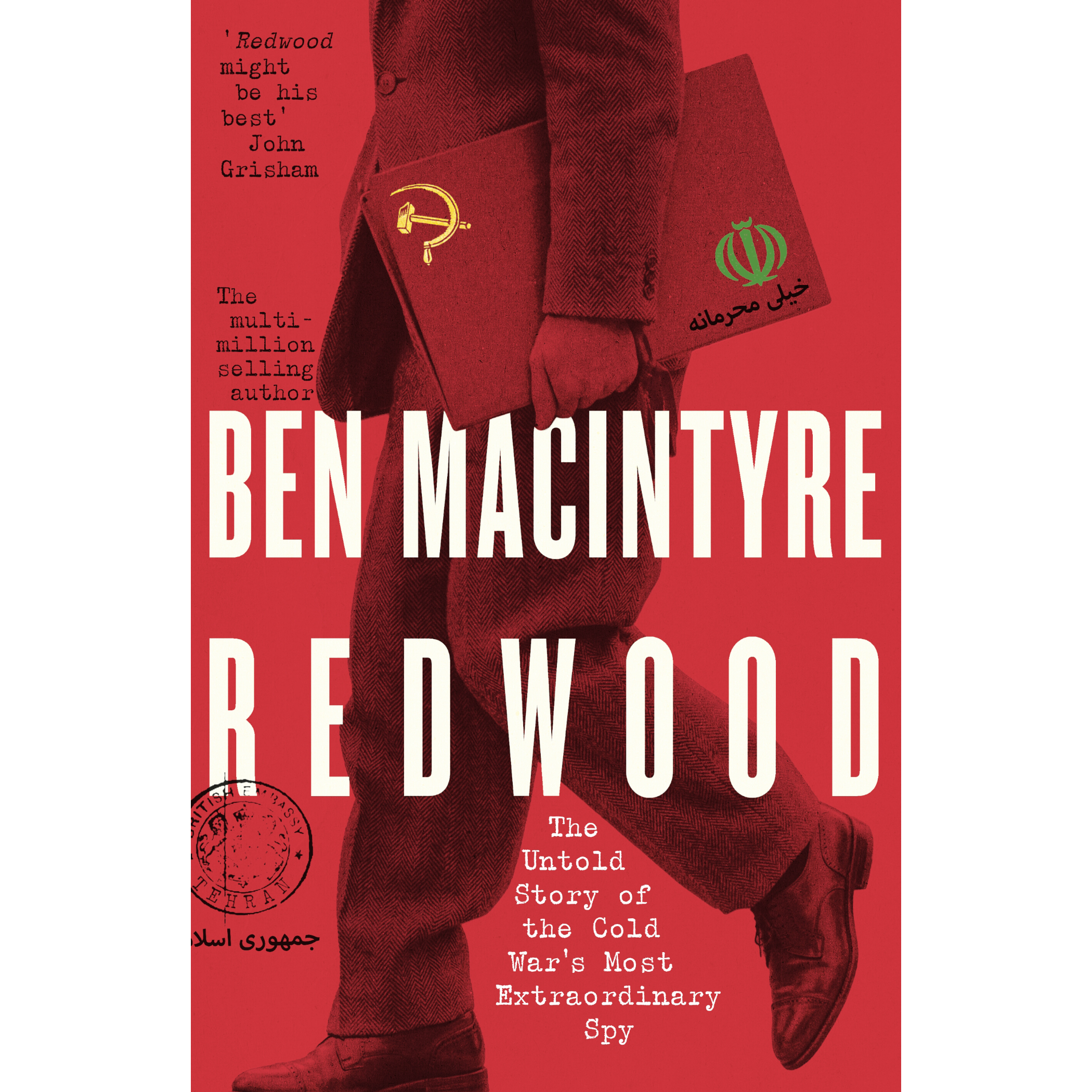
Redwood: The Untold Story of the Cold War's Most Extraordinary Spy | By Ben Macintyre
From the multi-million copy bestselling historian, the remarkable, unknown Cold War story of how one spy saved the world from nuclear war.
The year is 1981. Tehran is in violent turmoil in the wake of the Iranian Revolution. The Soviets are planning to overthrow the Ayatollah’s fledgling Islamist regime. If they do so, one response from America – unknown to the public – would be to use nuclear weapons.
This is the story of how at the height of the Cold War, one mysterious double agent, known to MI6 as ‘Redwood’, revealed the Kremlin’s secret plot and prevented Armageddon. This unsung, hitherto unknown hero of the Cold War, a six-foot-four Russian intelligence officer, had a problem, a sexual secret, one that if revealed, would turn his life upside-down. So he reached out to MI6, believing it to have the only solution – in return for the KGB’s deepest secrets.
And then, facing exposure, he demanded that the British try to smuggle him out of Iran in a high-stakes escape plan. This is the gripping tale of one man’s courage; about friendship, marriage, betrayal and sexual dysfunction; and about how decisions made in secret can have huge, long-term ramifications.
Drawing on never-before-seen material from archives in multiple countries, and interviews with officers from MI6 and MI5, the KGB and CIA, Redwood lifts the lid on how espionage really works, and on an unknown and highly significant Cold War victory. For without Redwood, our world would be very different – and might not exist at all.
More | By Gillian Anderson
‘Am I a bad person? Or am I allowed to wonder “what if”?’.
‘Is this kind of desire simply something people feel but don’t speak about?’.
‘What is a woman without fantasy?’.
More pleasure, more kink, more partners, more zest – this is desire turned all the way up. If Want sparked the fire of a quiet revolution, More gives women the fuel to let it roar.
In this electrifying sequel to the landmark bestseller, Gillian Anderson invites us to leave shame and fear at the door as she dials up the heat on women’s sexual fantasies and dares us to want more. This collection of intimate letters – submitted by anonymous women across the globe, curated and introduced by Gillian – dives deeper into what women everywhere think, feel and dream about in their most private moments. Spilling out of the bedroom, the letters take us to all spaces where desire resides, from office boardrooms to kitchen counters, school gates to forest floors.
Bolder and more explicit, they come from over fifty nations and women from eighteen to eighty. Nothing is off limits: there are silken ropes and stirrups, metal collars and machines, neighbours, friends, in-laws and strangers, cravings to own and be owned, people to desire and be desired by, pleasure and pain in equal measure. Joyful, unapologetic and deliciously unfiltered, More proves that the freedom for women to fantasise without restraint is as exhilarating and vital as ever.
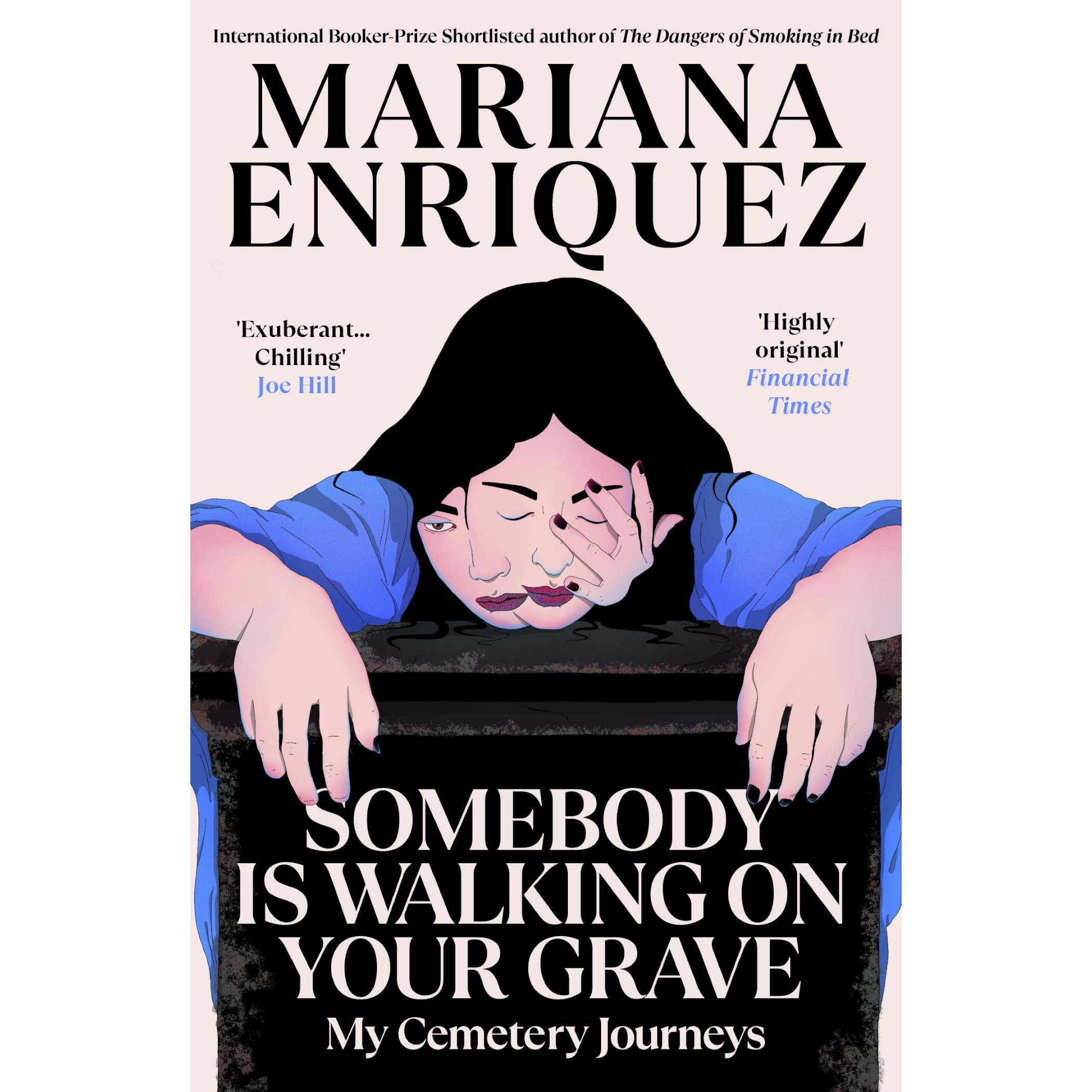
Somebody Is Walking on Your Grave: My Cemetery Journeys | By Mariana Enriquez | Translated by Megan McDowell
In Somebody is Walking on Your Grave, Mariana Enriquez blends journalistic rigour and her fascination with the macabre as we encounter famous graveyards steeped in history, such as Montparnasse in Paris, Highgate in London, and the Jewish cemetery in Prague, as well as more remote, decrepit, hidden, or secretly beautiful ones. These pages are full of the graves of famous figures - Elvis in Memphis, Karl Marx in London - mournful sculptures, traces of voodoo, catacombs, skeletons and an array of legends and stories. Mariana's personal journey weaves through haunting narratives, transforming burial grounds into spaces of reflection, obsession, and emotional discovery between the living and the dead.
From the haunting statues of Staglieno in Genoa to the eerie silence of Rottnest Island's hidden Aboriginal cemetery, Enriquez's narrative shifts effortlessly between travelogue, essay, and memoir. In her unique voice, cemeteries transform into living, breathing places of reflection, obsession and revelation. As she roams, each cemetery becomes a lens through which she examines everything from colonial violence to the strange rituals surrounding death.
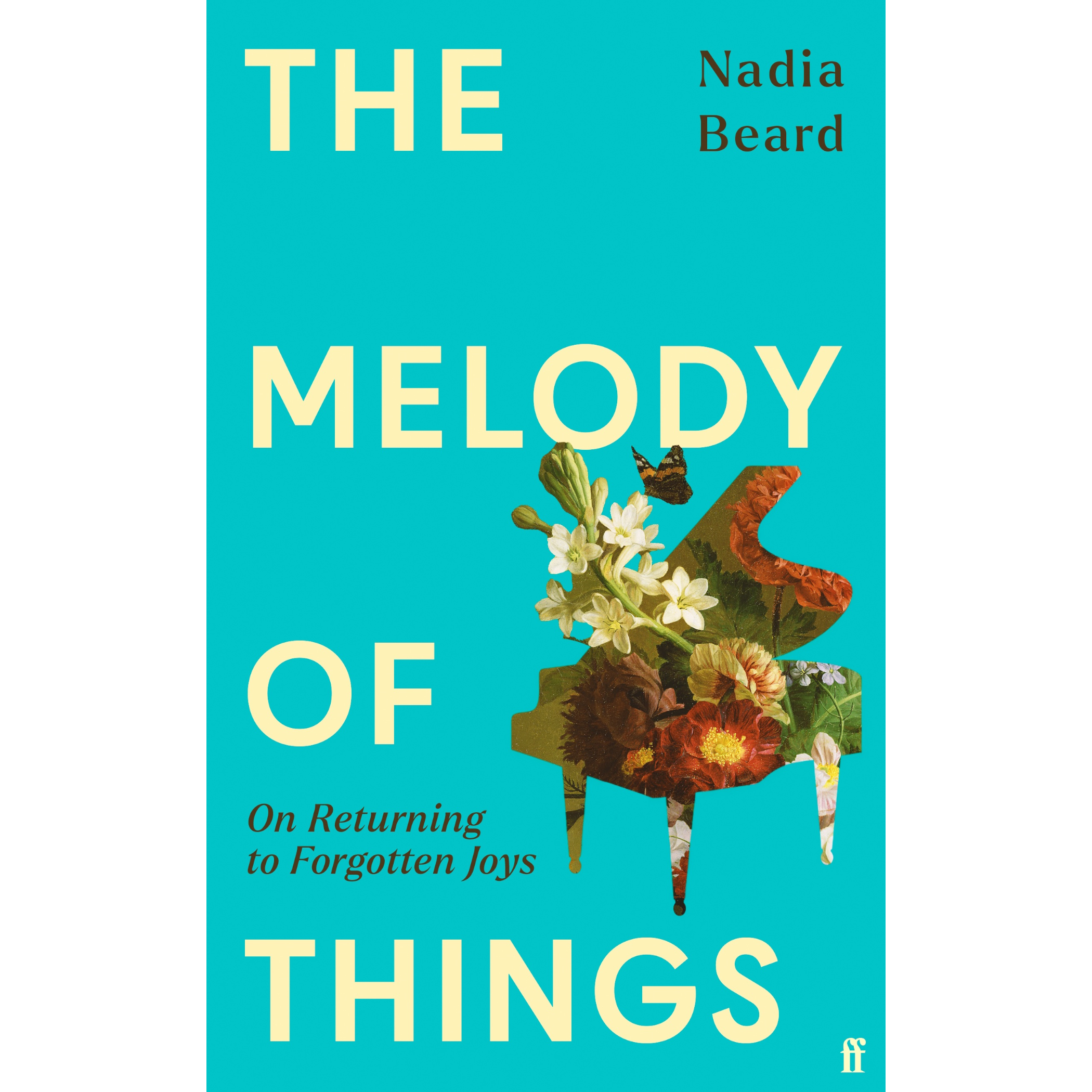
The Melody of Things: On Returning to Forgotten Joys | By Nadia Beard
How do we lose touch with the things we love? And is it possible to find our way back to them?
These pressing questions drive Nadia Beard on a quest to reclaim the dreams of her childhood for her adult self. Many, if not most of us, set aside the pursuits of youth once the reality of working life sets in, leaving the joys and skills of those days far in our slipstream.
The Melody of Things depicts what coming back to those early loves entails, as Beard uproots her life to return to study the piano, years after she had stopped playing as a teenager. Beard explores the pleasures, frustrations and revelations of re-dedicating herself to the instrument as an amateur. Her story is an invitation: to seek out the restorative power waiting to be discovered in the pieces of ourselves we have, perhaps unknowingly, lost to time.
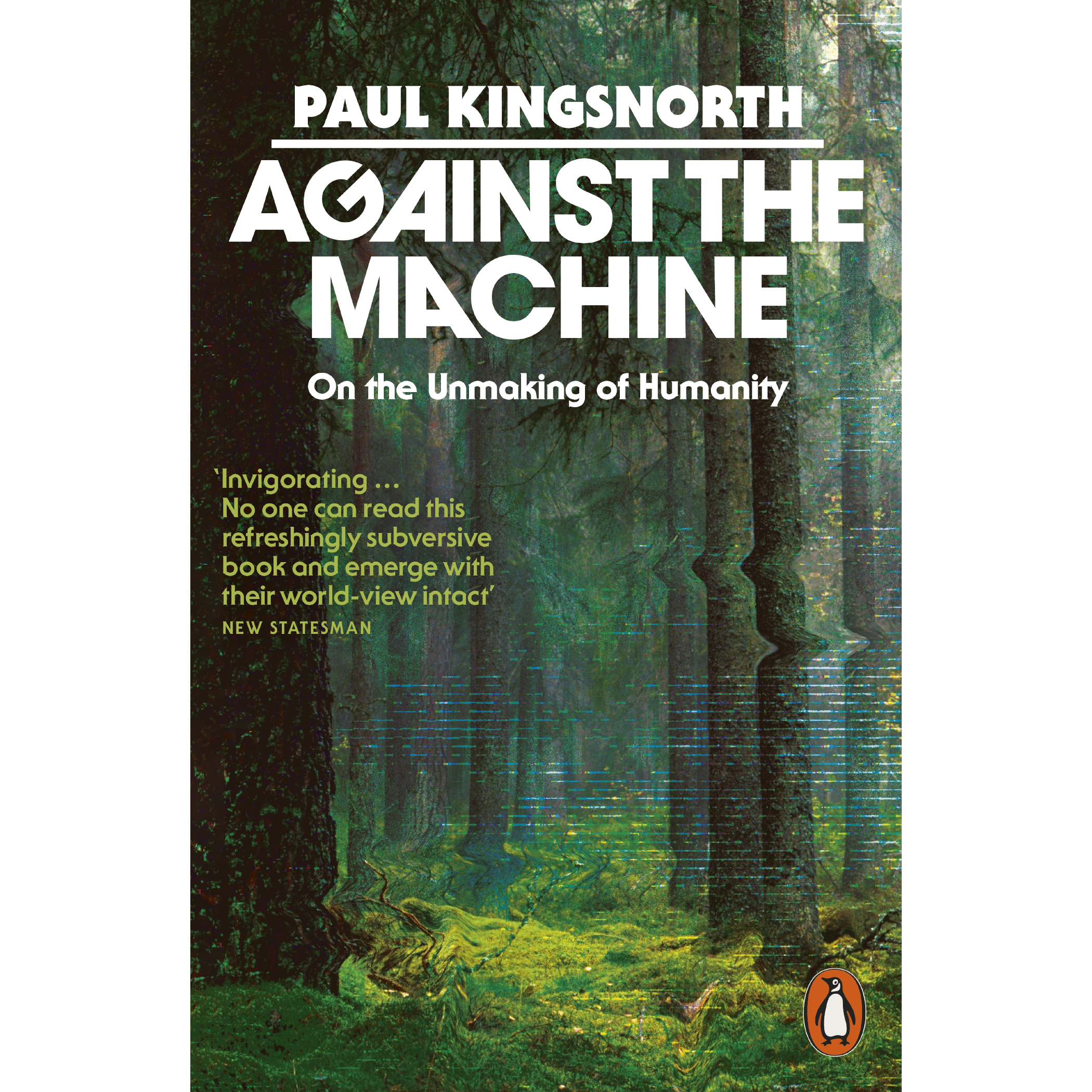
Against the Machine: On the Unmaking of Humanity | By Paul Kingsnorth
How a force that’s hard to name, but which we all feel, is reshaping what it means to be human. In Against the Machine, “furiously gifted” novelist, poet, and essayist Paul Kingsnorth presents a wholly original—and terrifying—account of the technological-cultural matrix enveloping all of us.
With insight into the spiritual and economic roots of techno-capitalism, Kingsnorth reveals how the Machine, in the name of progress, has choked Western civilization, is destroying the Earth itself, and is reshaping us in its image. From the First Industrial Revolution to the rise of artificial intelligence, he shows how the hollowing out of humanity has been a long game—and how your very soul is at stake.
It takes effort to remain truly human in the age of the Machine. Here Kingsnorth reminds us what humanity requires: a healthy suspicion of entrenched power; connection to land, nature and heritage; and a deep attention to matters of the spirit. Prophetic and poetic, Against the Machine is a spiritual manual for dissidents in the technological age.
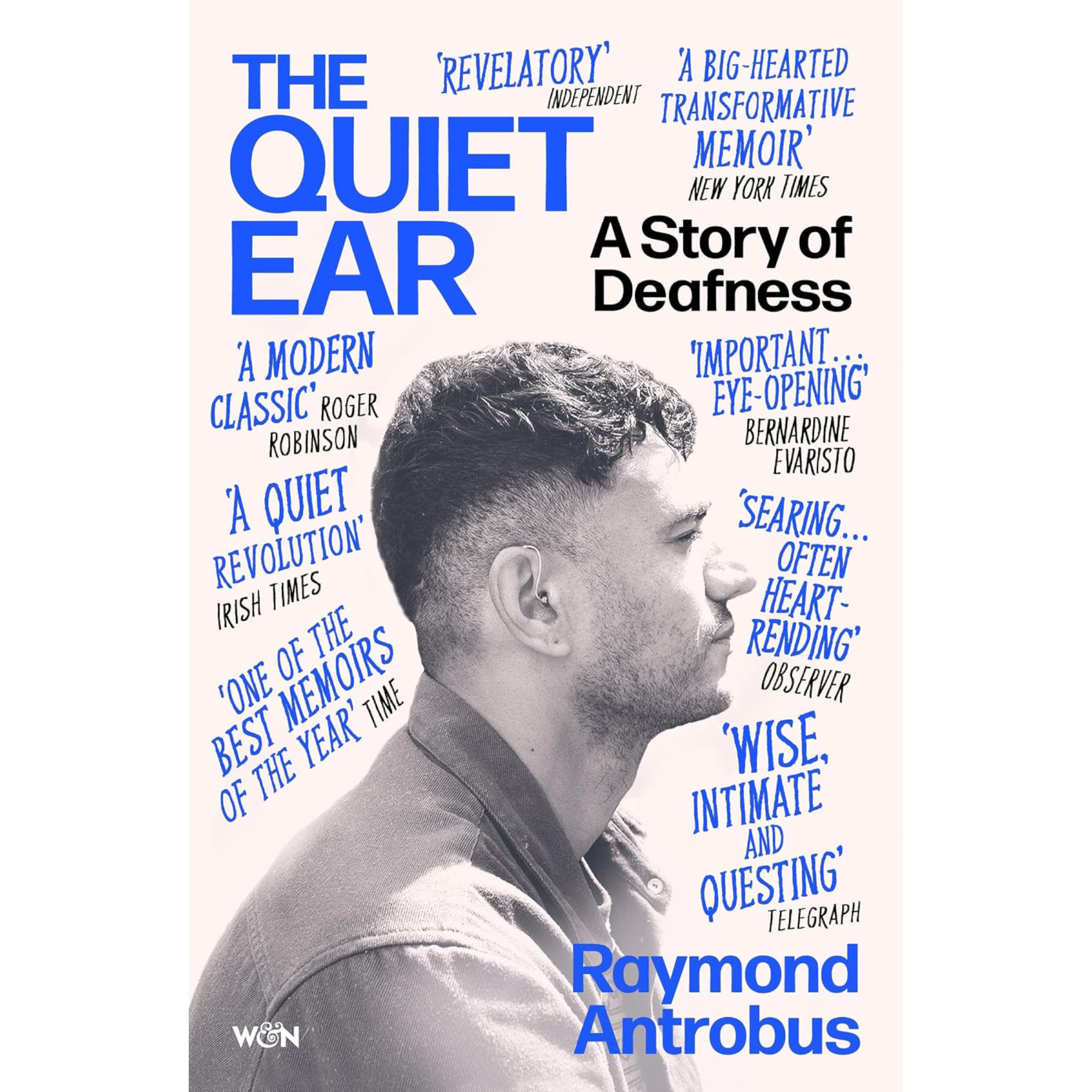
The Quiet Ear: An Investigation of Missing Sound | By Raymond Antrobus
Raymond Antrobus was first diagnosed as deaf at the age of six. He discovered he had missing sounds - bird calls, whistles, kettles, alarms. Teachers thought he was slow and disruptive, some didn't believe he was deaf at all.
The Quiet Ear tells the story of Raymond's upbringing at the intersection of race and disability. Growing up in East London to an English mother and Jamaican father, educated in both mainstream and deaf schooling systems, Raymond explores the shame of miscommunication and the joy of finding community, and shines a light on the decline of deaf education in Britain. Throughout, Raymond sets his story alongside those of other D/deaf cultural figures, from painters to silent film stars, poets to performers - the inspiring models of D/deaf creativity he did not have growing up.
The Quiet Ear is a groundbreaking and much-needed examination of deafness. A memoir, a cultural history, a call to action.

Deadwood: Gold, Guns and Greed in the American West | By Peter Cozzens
Infamous for its stage-coach robbing, whiskey-guzzling and rampant prostitution, the gold rush settlement of Deadwood, South Dakota, was once described as 'the most diabolical town on Earth'. Built in 1876 on land brazenly stolen from the Lakota people, it was an outlaw enterprise not subject to US laws or governance.
In Deadwood, award-winning historian Peter Cozzens sifts through myth and legend to recount the town's meteoric rise - a place where the currency was gold dust - and its stunning fall. He reveals how Deadwood's foundation bred a self-reliance and a spirit of cooperation unique on the frontier, making it an exceptionally welcoming place at a time of deep-seated discrimination.
Along the way, Cozzens pulls back the curtain on legendary figures Wild Bill Hickok and Calamity Jane, and introduces us to colourful Deadwoodites: from Jack Langrishe to Judge Kuykendall, and Seth Bullock to Sol Star. This is the first book to tell Deadwood's extraordinary story in full, revealing the true tale of how one frontier town, in only three years, imprinted itself on our imaginations as the best and worst of the West.

I Deliver Parcels in Beijing: On Making a Living | By Hu Anyan | Translated by Jack Hargreaves
Hu AnYan has held nineteen different jobs since he graduated. He’s been a convenience store clerk, a bicycle salesman, a security guard and a delivery driver (among many other things). Every time the work gets punishing or the bosses too bossy, he moves on, from city to city, carrying with him nothing but his copies of Chekhov and Carver.
This is his story. A runaway bestseller in China, I Deliver Parcels in Beijing is about what it’s like to try and make a living – and stay sane – in the gig economy. From the pecking order on a parcel-sorting factory floor to the perfect alcohol dose to get some daylight shut-eye before a punishing night shift, from the Kafkaesque bureaucracy of the hiring departments to the ideal layout of a delivery route, Hu illuminates the hidden lives behind the roles that keep our world going.
But he also shows how, through the liberating power of literature, he finds solace, and even freedom in his existence. Quietly radical, brimming with humanity and humour, this book asks: what does work really mean? What should it mean? And do any of us really know how to live?
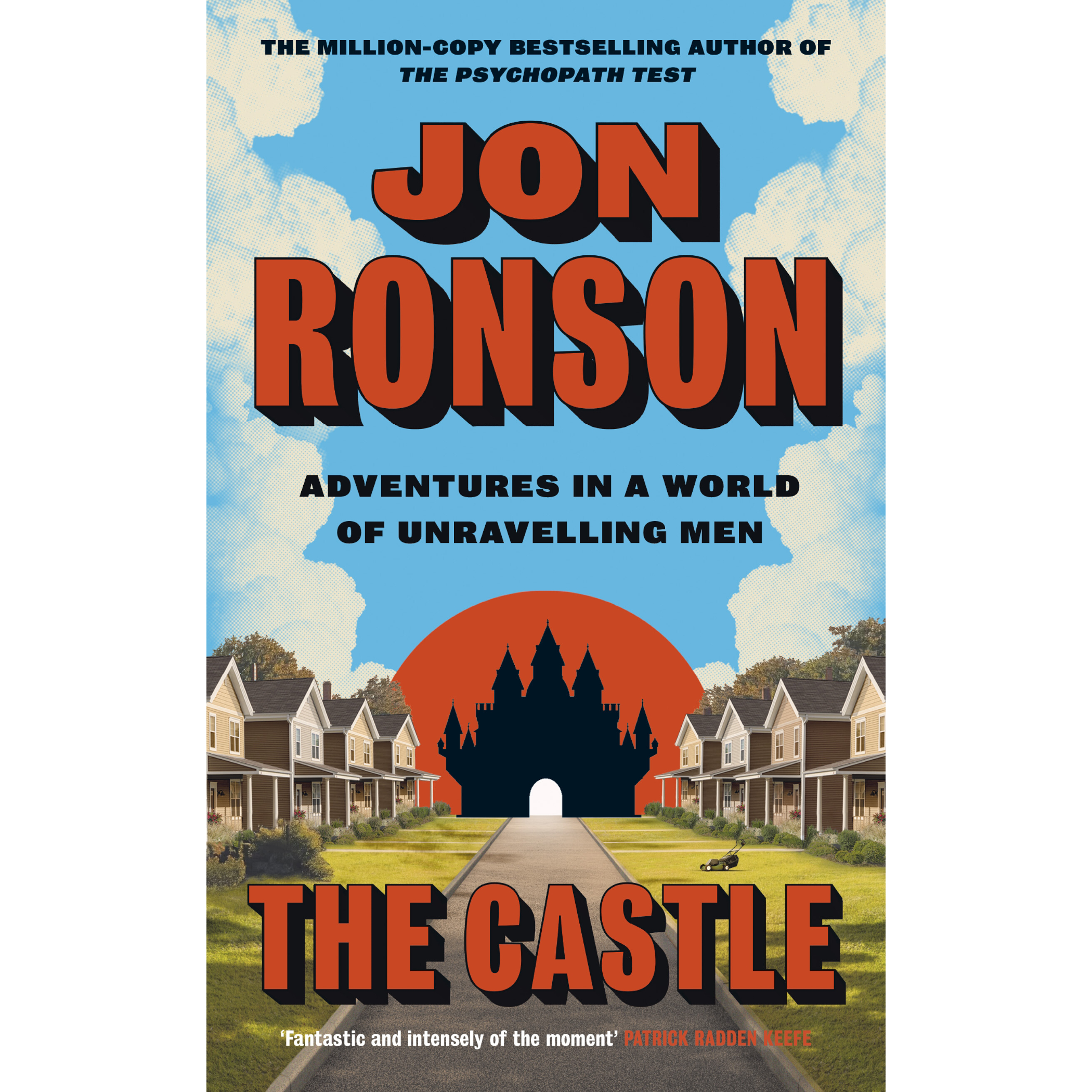
The Castle: Adventures in a World of Unravelling Men | By Jon Ronson
I honestly have no clue what is going on.
This is very weird.
We left. Was completely fucked. All good now.
When Jon Ronson received a series of disquieting texts from his son Joel who’d been lured to a mysterious castle in the forests of New England late one night, it sets Ronson Sr. off on an adventure into an underworld of unmoored and disaffected men.
As Jon deepens his investigation into the castle and the wider ‘man crisis’ – where some are feeling tossed around in a sea of conflicting ideologies of what it means to be a man – urgent questions come to light. What exactly is ‘Princessing’? Why did a lawn care influencer dress as a baby in front of billions of online viewers, with catastrophic results? And more pressingly, why are two recently released murderers on their way to pay Jon a visit?
From the death of utopian factory towns to the false promise of YouTube influencer culture, Jon shows us our rapidly changing world like never before, and the men caught in the middle. A world drained of purpose, of collapsing institutions, where a new era of disinhibited behaviour has taken hold of our online and real-world selves. And as the castle mystery twists and turns into a cat-and-mouse story, will Jon be able to discover its terrifying secret hidden from the world?
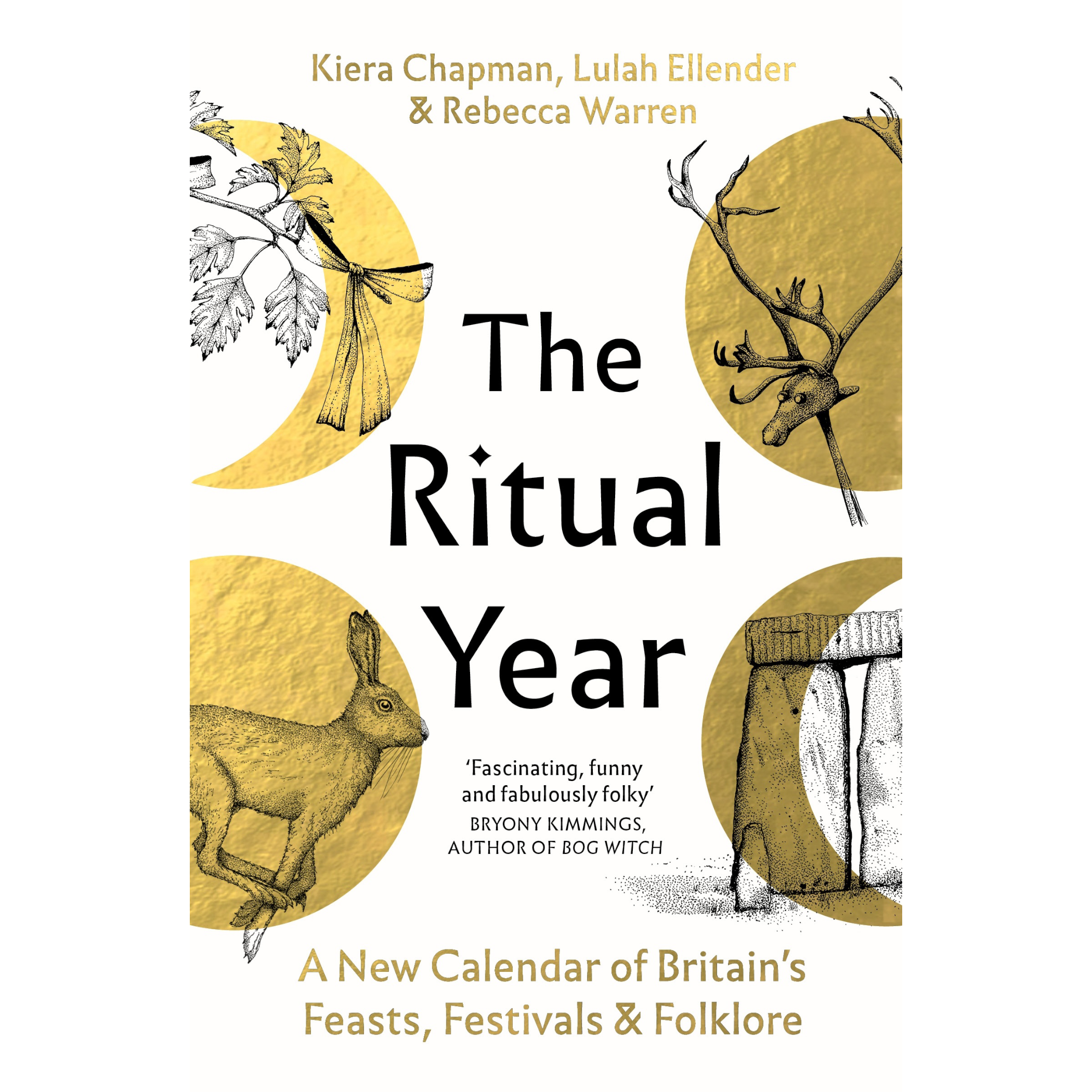
The Ritual Year: A New Calendar of Britain's Feasts, Festivals and Folklore | By Kiera Chapman, Lulah Ellender & Rebecca Warren
Wassails and plough blessings, cheese rolling and well dressings, Bradford's Mela and the Notting Hill Carnival, summer hen races and festive sword-dancing... On any given week, somewhere in Britain, you will find people gathering - to mark a moment in the agricultural year, to commemorate an event in local history, to herald the beginning of a new season or bid farewell to the old. Some of these rituals have been passed down through the centuries; some are newer or recently revived; some have a deep connection to the British landscape or folklore, and some have been carried from other cultures and taken root here.
In this revelatory and beautifully illustrated guide to a living tradition of rites and rituals, we journey through some of the gatherings that shape our year, challenge our understanding of the past, and give pattern and meaning to communities across Britain today.
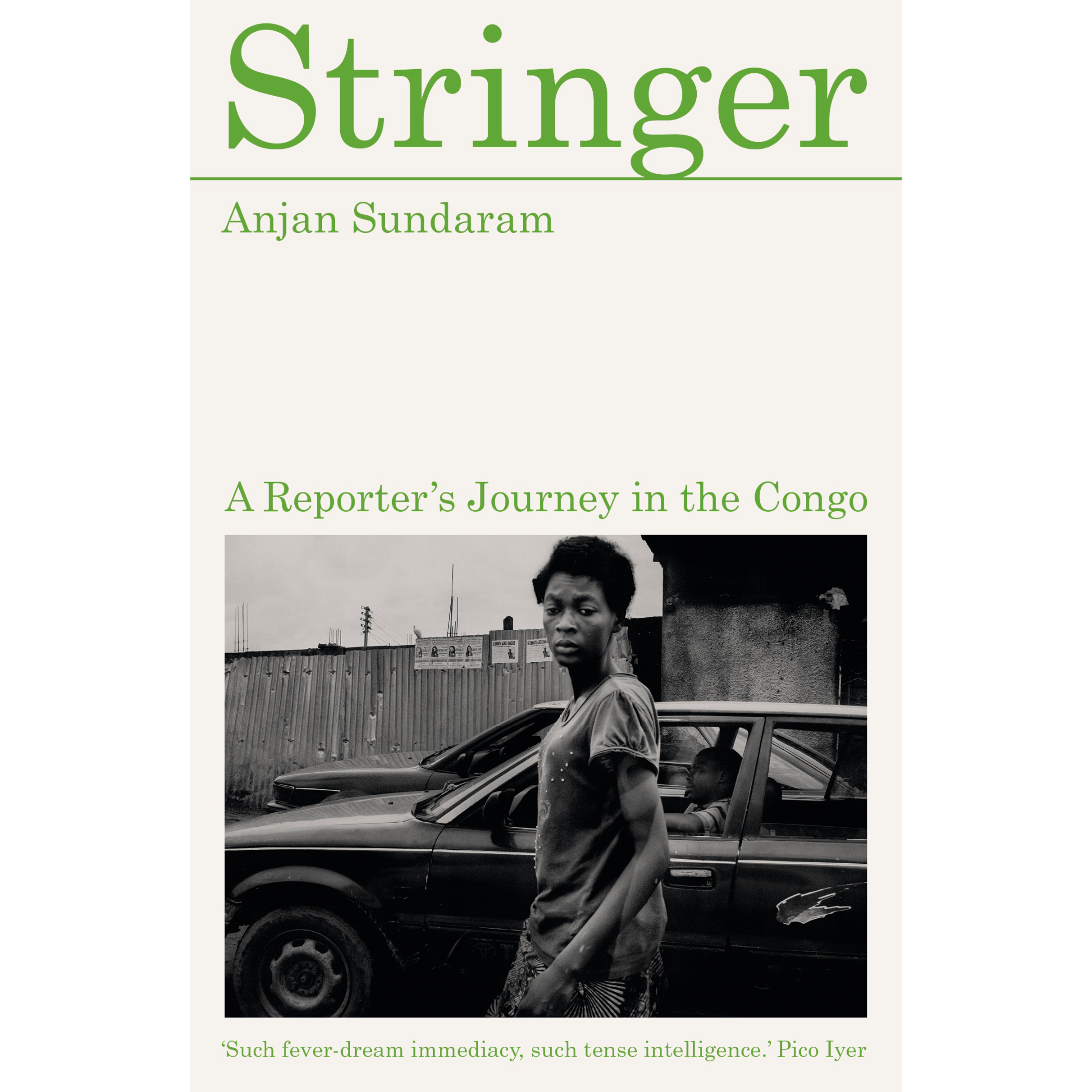
Stringer: A Reporter's Journey in the Congo | By Anjan Sundaram
A Congolese legend has that God, tired after creating the world, stopped at this part of the earth and dropped all his sacks of riches.
Written with startling beauty and acuity, Stringer is an account of the year and a half that Anjan Sundaram spent in the Congo working on the bottom rung of the Associated Press. It was an intense period that would take him deep into the shadowy city of Kinshasa, to the dense rainforests that still evoke Conrad’s vision, and to the heart of Africa’s great war, culminating in the historic and violent multiparty elections of 2006. Along the way he would go on a joyride with Kinshasa’s feral children, fend off women desperate for an escape route, and travel with an Indian businessman hunting for his fortune.
A breathtaking work of reportage that is both a gripping journey through a troubled country and an astonishing story of self-discovery.
UNMASKED: The Ultimate Guide to ADHD, Autism and Neurodivergence | By Ellie Middleton
Whether you are neurodivergent, suspect you might be, or want to be a better ally, UNMASKED will help you make sense of it all, and put the power in your hands.
Ellie was 24 when she learned she wasn't broken. She wasn't a bad person, she was neurodivergent. Her late diagnosis of ADHD and autism was like a lightbulb being switched on and she could finally start to heal from the trauma of being un-diagnosed and mis-understood for so long. Since getting her diagnosis, Ellie has made it her mission to change the way we think about autism, ADHD and neurodivergence and in UNMASKED she shares what she has learned along her journey.
Written in a bite-sized style for whizzy brains like hers, Ellie shares chapters on mental health, pretty privilege, how to navigate the workplace and the importance of self-diagnosis so that we can all better understand and celebrate neurodivergence, and ultimately make the world a more inclusive place.

The Land and its People | By David Sedaris
In The Land and Its People, David Sedaris investigates what it means to be a traveller, a brother, a lifelong friend.
Trying on the role of carer after his boyfriend Hugh's hip-replacement surgery, he both succeeds and fails. He covers ground with his friend Dawn and challenges her to eat a truck tire. An ambivalent Duolingo bot becomes his unlikely confidante as he attempts to describe his family in a foreign language.
Ever adding to his list of 'Countries I Have Been To,' he rides a horse named Tequila in Guatemala, buys a bespoke priest's cassock in Vatican City, and goes on safari in Kenya without taking a single photo. Time takes its toll: Scrolling through his address book, he counts those he couldn't bear to outline and realizes how many are already gone. He is bitten by a dog and insulted by a wee train passenger.
A woman on the street late at night either sexually harasses him or doesn't. It's easy to agree with the lady waving a sign that reads, 'Enough is Enough.' And yet, life holds much to delight in: the massive testicles of a ram, a trip abroad with his sisters, a really excellent reptile video, a pair of well-made cotton underpants. Throughout these essays - at once acerbic and tender, playful and profound - Sedaris shows how much there is to marvel at when you keep your head up and your eyes open, observing with warmth and curiosity our fascinating human species and the lands we inhabit.
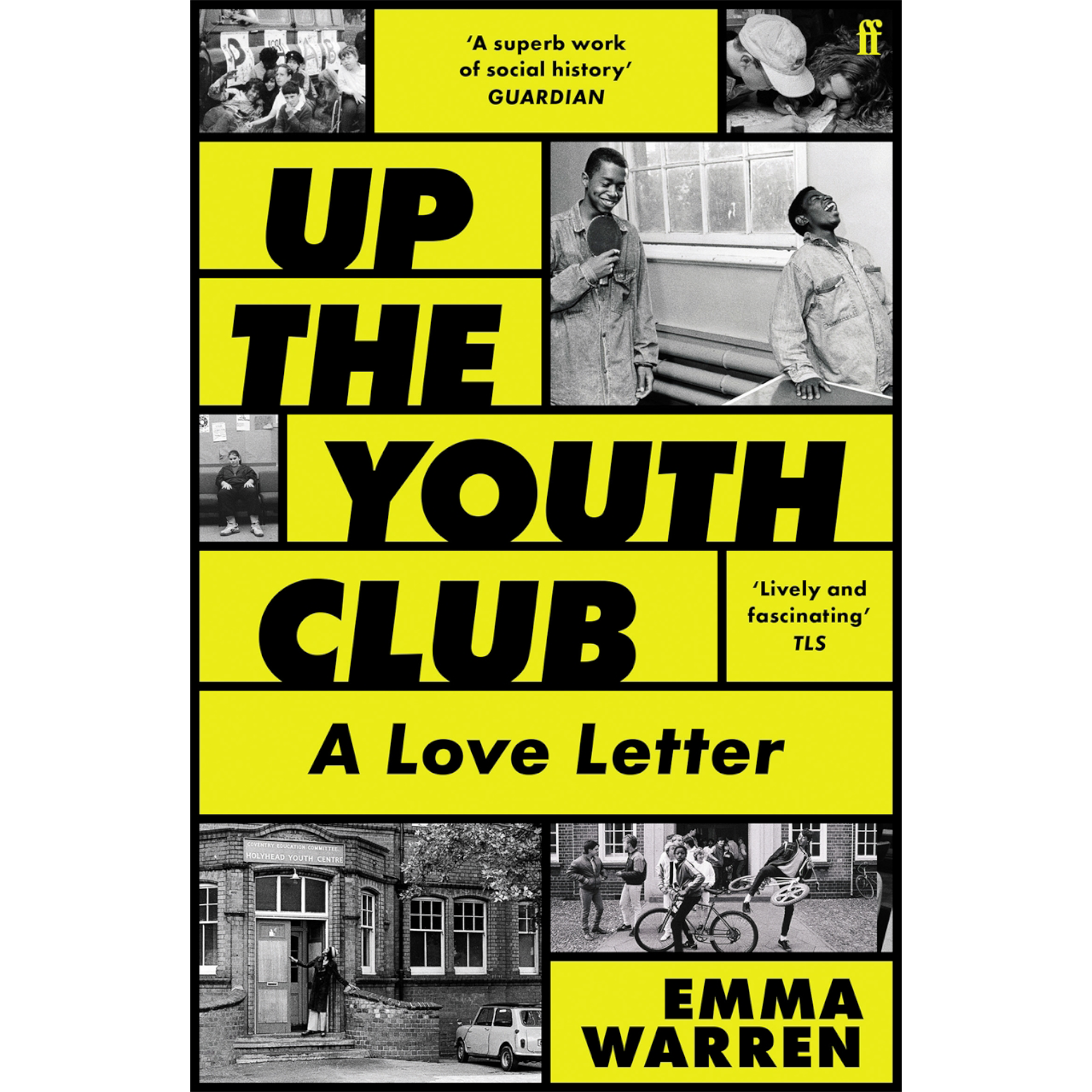
Up the Youth Club: Illuminating a Hidden History | By Emma Warren
'Youth clubs have always existed. They always will, because there will always be young people. How we care for our youth, and what we owe them, is a question for all of us.'
In Up the Youth Club, Emma Warren maps the shifting story of youth clubs in the UK and Northern Ireland, from factory workers in Victorian Boys' and Girls' clubs to renegade self-emancipatory spaces in the 1970s and the music-generating youth clubs of more recent decades. With a mixed lineage in church evangelism, the patronage of the upper classes, grassroots' DIY, and erratic state funding, the youth club has had a huge, yet almost invisible, effect on music, sport, culture and society.
Arguing that we cannot advocate for what we do not understand, Warren positions youth clubs as a kind of engine room - from the famous success stories to come out of their doors, such as The Specials or Stormzy, to the untold stories of young people finding shelter, sustenance and stimulation for over a century - and why their dwindling numbers, largely due to austerity and funding cuts, is of serious concern for us all.
With this impassioned history, Warren invites us to pick up the torch and play an active part in protecting and re-igniting this vital part of UK society.
Upcoming Events
-
![]()
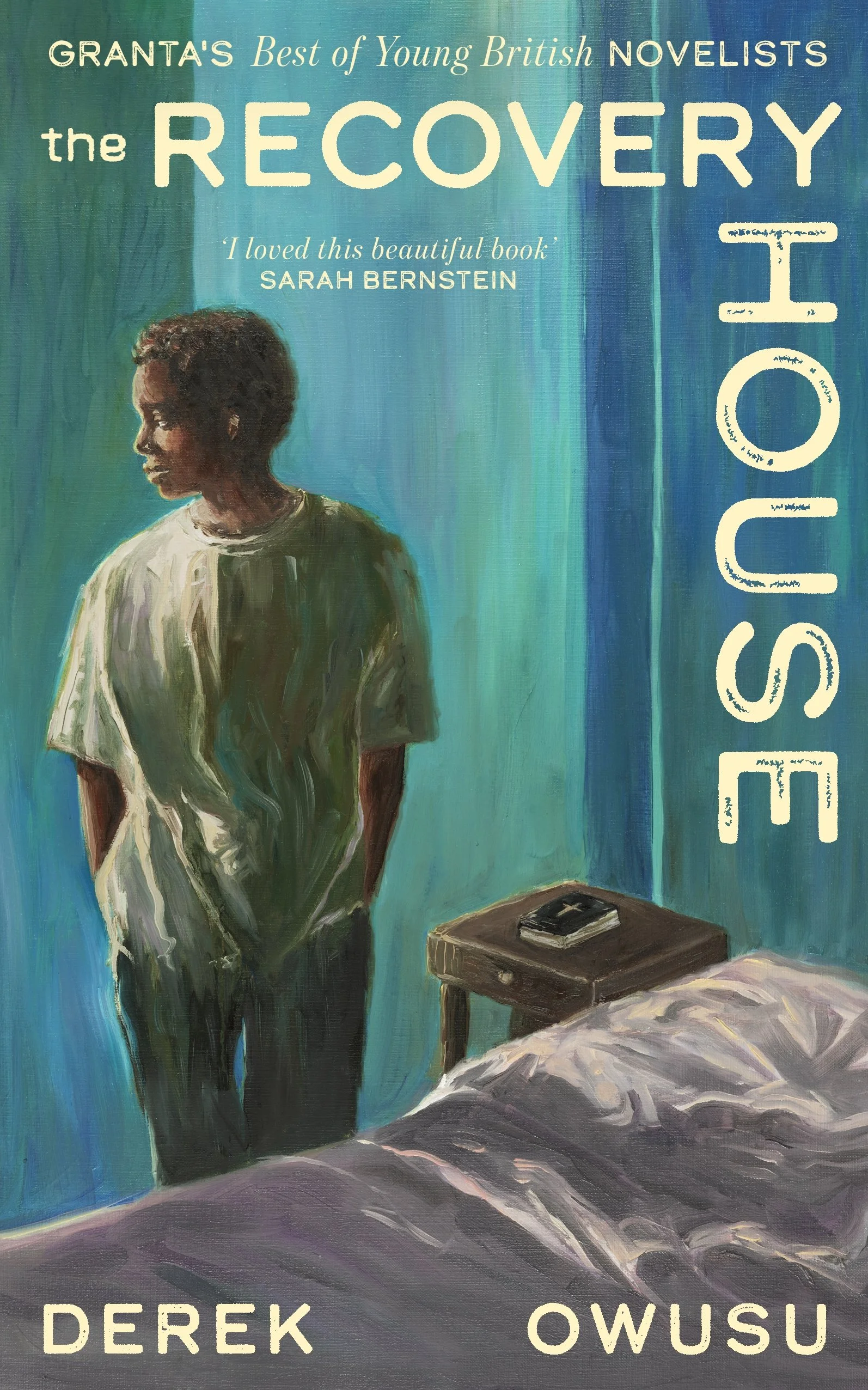
THE RECOVERY HOUSE WITH DEREK OWUSU | THURSDAY, 8 OCTOBER
-
![]()
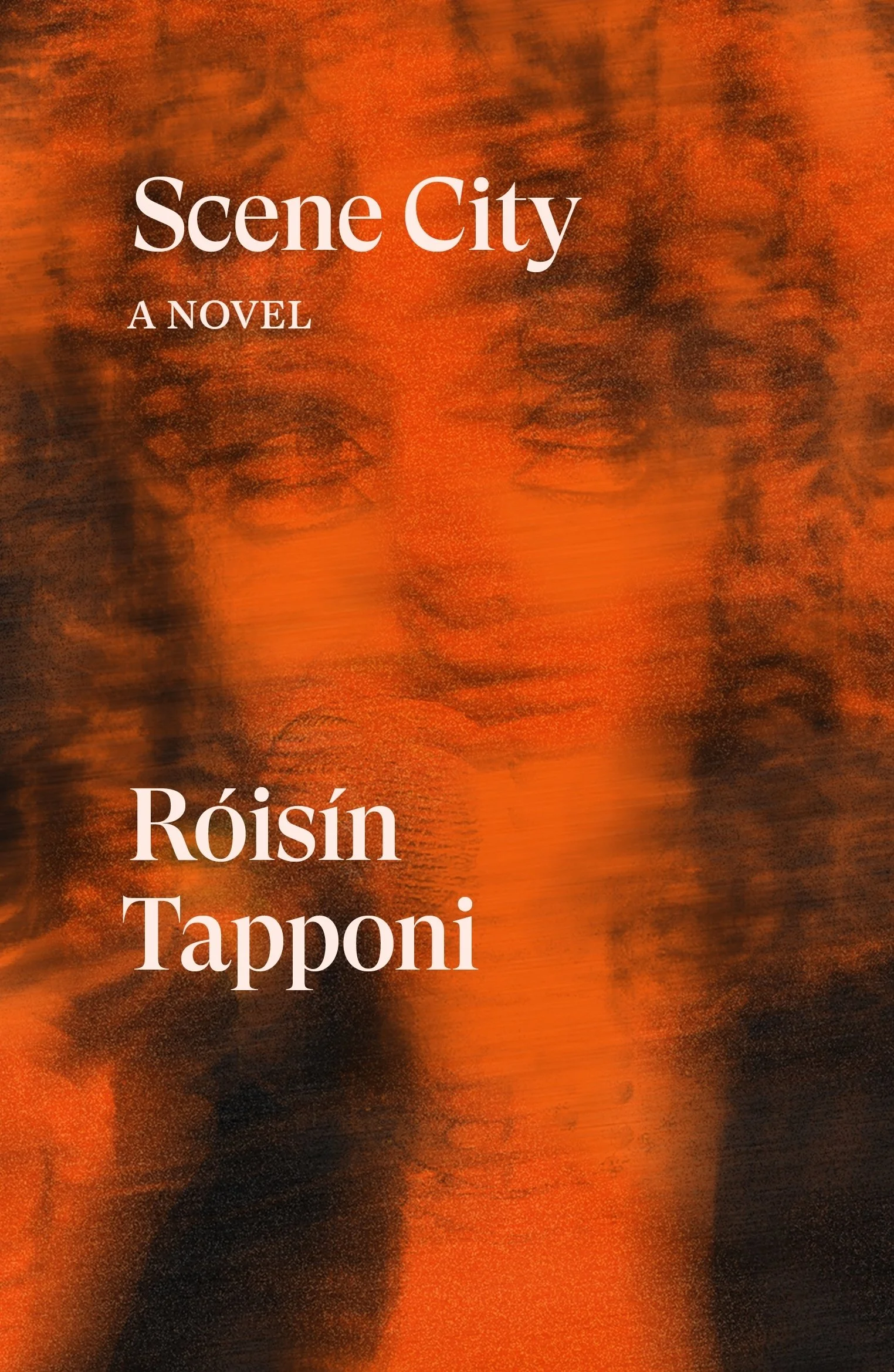
SCENE CITY WITH RÓISÍN TAPPONI | THURSDAY, 22 OCTOBER
-
![]()
BOOKSHOP BOOKCLUB | WEDNESDAY, 28 OCTOBER
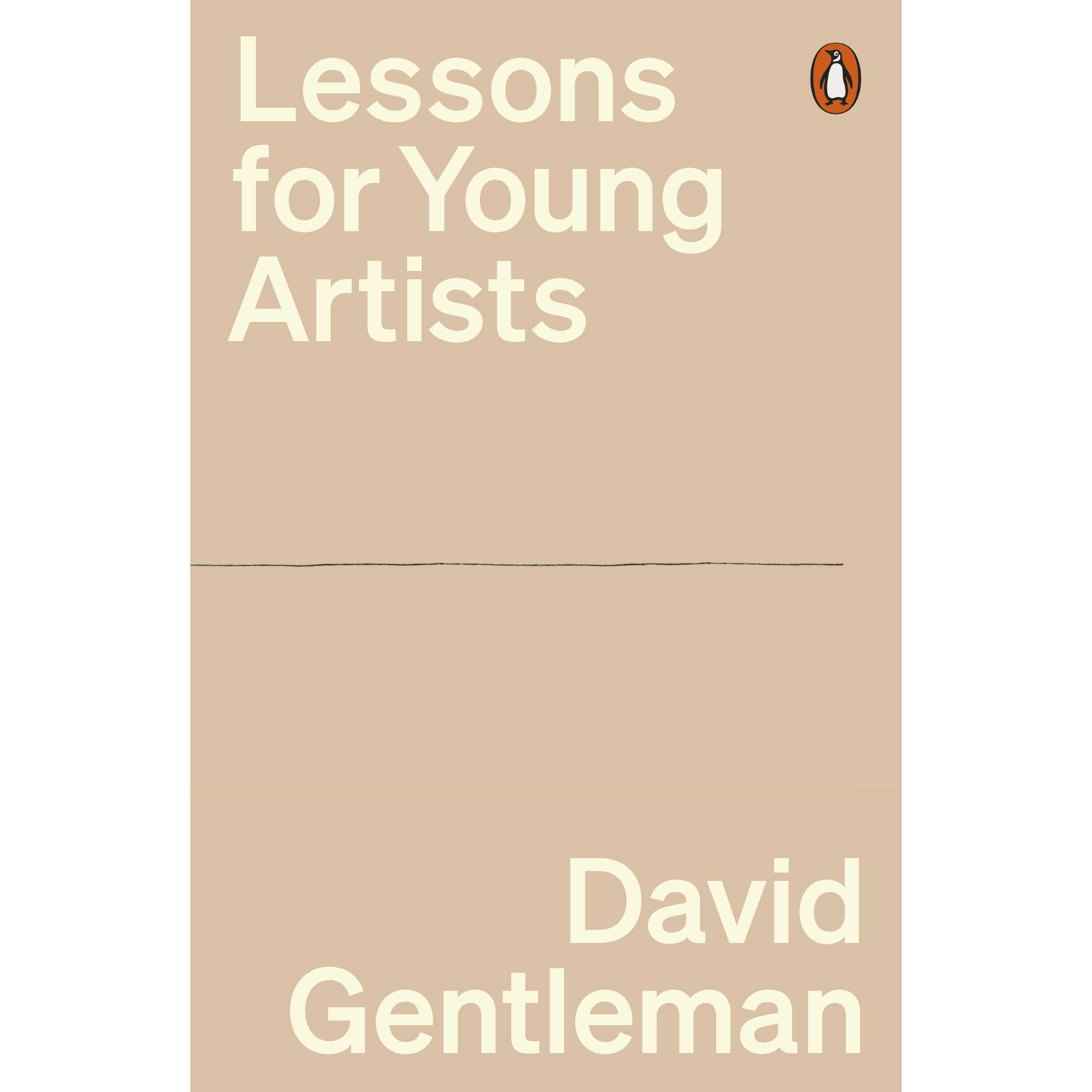
Lessons for Young Artists | By David Gentleman
We are all artists as children, painting and drawing each day. Most of us stop when we get older – but David Gentleman kept going. For over ninety years he has been drawing, painting, engraving and printing, rising to become one of Britain’s best-known and most loved artists.
His watercolours have filled galleries; his iconic wood cuts are emblazoned across posters, book jackets and train stations; his stamps have made their way to the furthest corners of the world. Here, the great, polymathic artist and craftsman shares what he has learned over the course of a lifetime of making and thinking about art. Unlike his contemporaries, Gentleman was never a teacher; his lessons are a sequence of unconventional prompts and reflections that will deepen how you think about art and the world around you.
Sincere, practical and unpretentious, Gentleman’s insights are a breath of fresh air. Here are new ways to focus, notice the world and cultivate your own style; techniques to evolve your work, from playing with time to painting in bad weather; methods for getting the most out of mistakes and negative criticism; and, above all, reminders to return, always, to the simple delights of creativity.
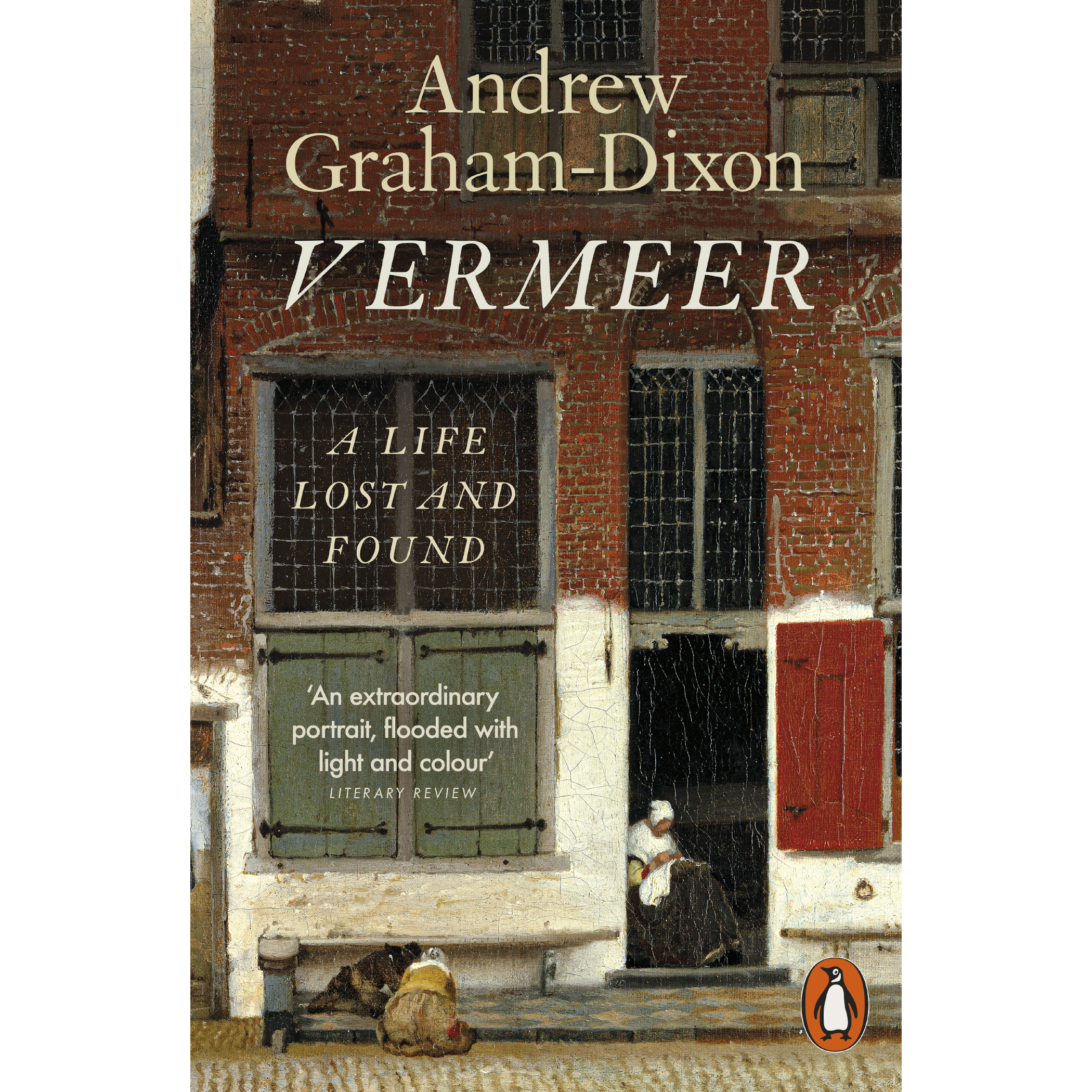
Vermeer: A Life Lost and Found | By Andrew Graham-Dixon
The paintings of Johannes Vermeer of Delft are some of the most beautiful, even sublime, in the history of art. Yet like the life of Vermeer himself, they are mysterious and have for centuries defied explanation. Following new leads, and drawing on a mass of historical evidence, some of it freshly uncovered in the archives of Delft and Rotterdam, Andrew Graham-Dixon paints a dramatically new picture of Vermeer, revealing many of the painter’s hitherto unknown friendships as well as his previously undetected allegiance to a radical movement driven underground by persecution.
He also vividly evokes the world of the Dutch Republic as it was in its so-called Golden Age. This was a watery world of fortresses and flood plains, taverns rocked by argument and cities stunned by devastating attacks and explosions: all linked by a network of canals where a uniquely efficient public transport system, operated by horse-drawn passenger barge, enabled people, goods and ideas to glide effortlessly from one place to another. The author sets Vermeer firmly in the context of his time, revealing the patterns of patronage that make sense of his work, and also exposing the difficulties posed by his home life, which was dominated by his Jesuit mother-in law and disturbed by the psychotic behaviour of her only son.
In the past Vermeer has been imagined as a remote and enigmatic figure, but he emerges from this new account as a man deeply engaged with his own society: well-travelled, a reader of books, a man personally connected to many of the most interesting people of his time, including merchants, philosophers, preachers, bankers and regents, as well as his childhood friend, a philanthropic baker named Hendrick van Buyten. Vermeer was also deeply affected by the struggles that shook his world, the Eighty Years War for Dutch independence and the yet more terrible Thirty Years War, which ravaged the neighbouring German lands and resulted in the deaths of millions. The author shows how he was moved to become a pacifist by such atrocities, and thereafter made many of his closest friends in the ranks of Europe’s first peace movement.
A further revelation is that Vermeer’s closest collaborator and chief patron was a woman, as were many others in his immediate circle. These are all previously untold stories. The many piercingly direct descriptions of Vermeer’s pictures, which are the heart of the book, shed new light on the intentions of the artist.
Nearly all of his best loved works, Graham-Dixon shows, were originally painted for a single significant location in Delft. In light of such discoveries every one of Vermeer’s major paintings, including The Girl with a Pearl Earring, A View of Delft and The Milkmaid, are reassessed and their meanings rethought. As a result the two great unresolved questions about Vermeer – why did he paint his pictures, and what do they mean? – are persuasively answered here for the first time.
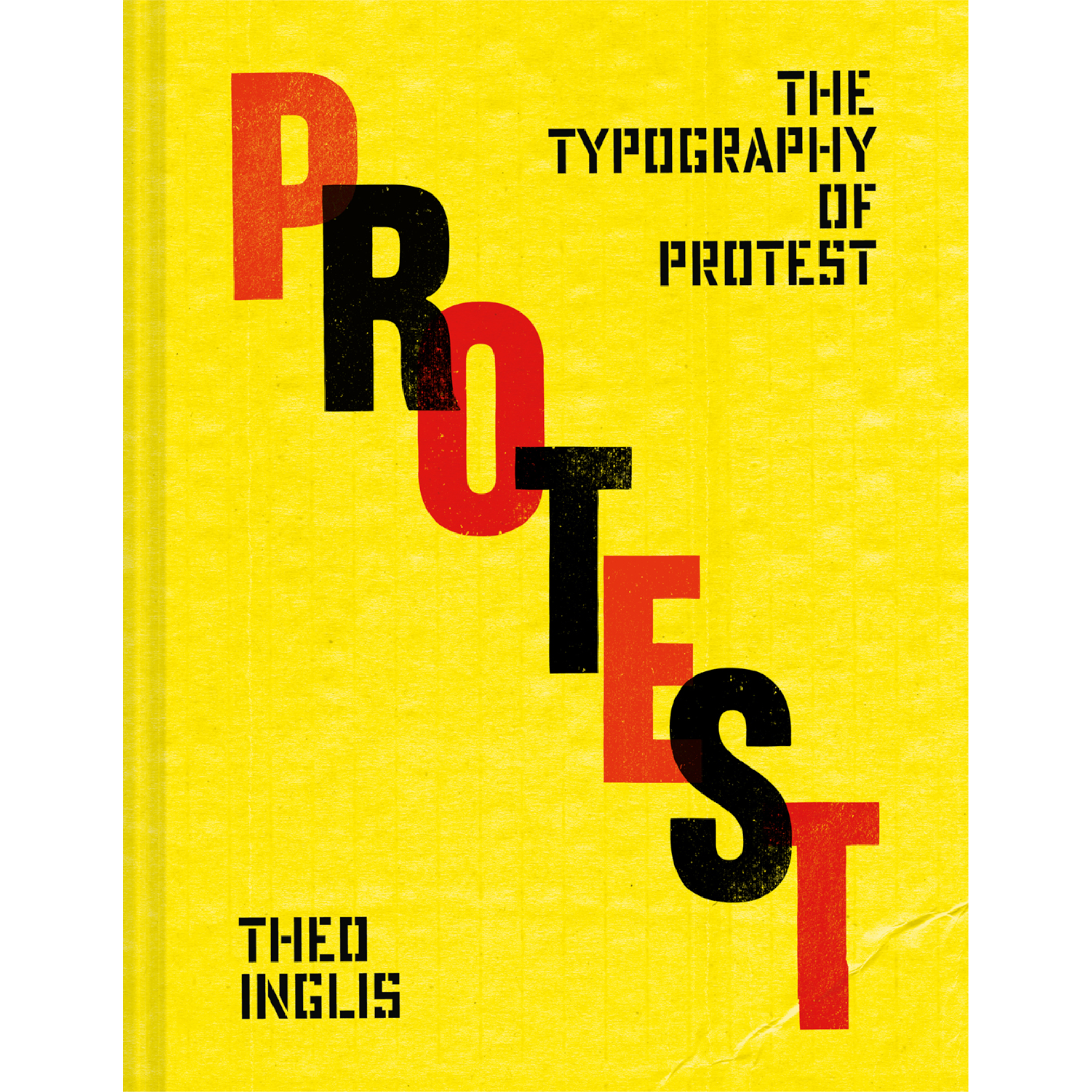
The Typography of Protest: Revolution and rebellion in protest art | By Theo Inglis
A timely, compelling and affecting history of typography being used as a form of rebellion and resistance, lavishly illustrated with full colour reproductions of posters, banners and printed ephemera. Design has long been a means of self-expression, but it is also a fundamental vehicle for change in an increasingly visual world. The Typography of Protest is an illustrated history of how famous designers and determined individuals have used art to dismantle hatred and ignite change. The designers, groups and collectives featured in this book differ in age, race, gender and belief but all are resolute in confronting political and social injustice and inequality through their design and typography.
From the bold feminist collages of Barbara Kruger to Emory Douglas’s defining posters for the Black Panther Party during the Civil Rights era and Keith Haring breaking the silence surrounding AIDS, to Guerrilla Girls exposing racial and sexual inequality in the art world, typography has long been a powerful tool for upsetting the status quo. This thought-provoking book shines a light on the often revolutionary work of artists involved in a diverse range of social and political movements.
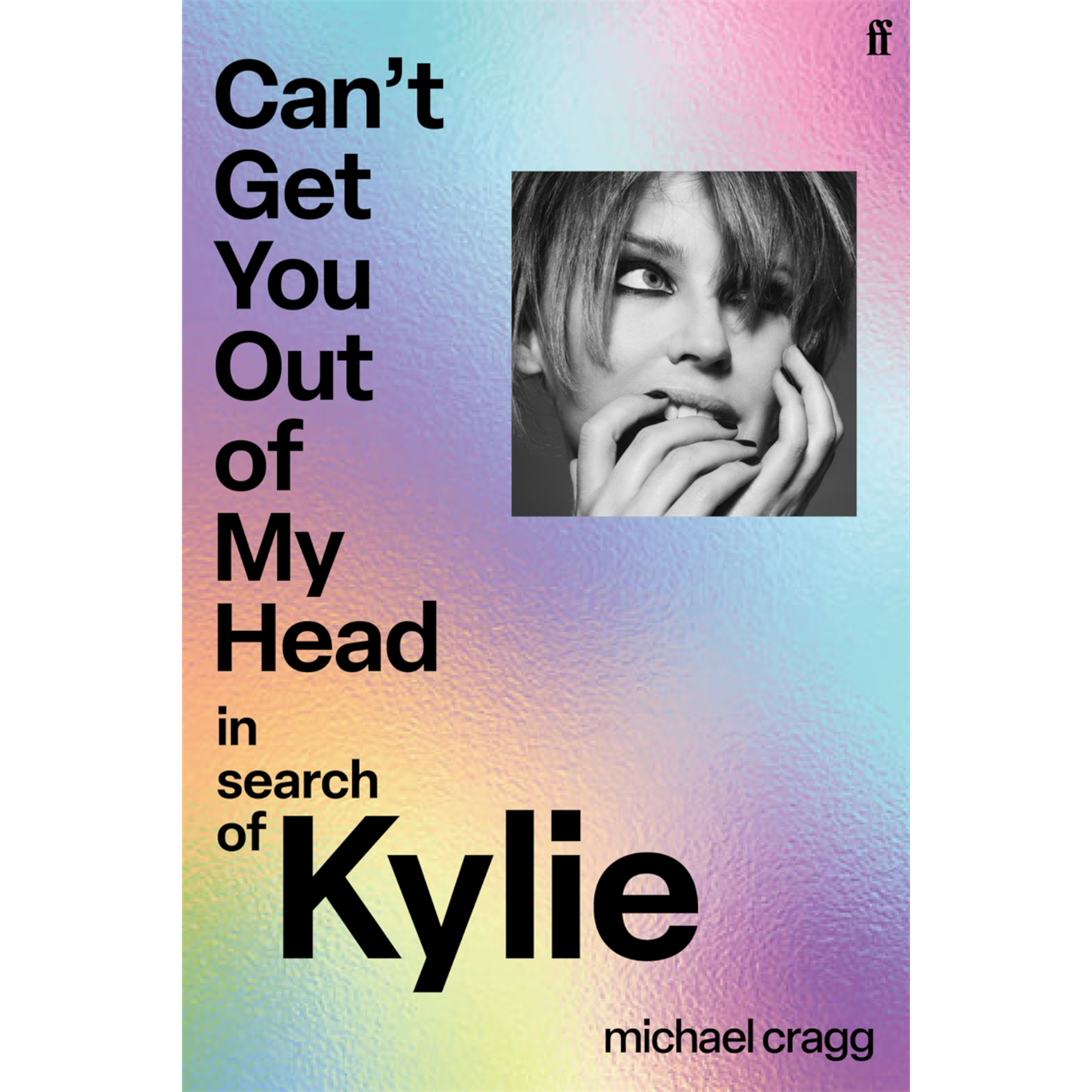
Can't Get You Out of My Head: In Search of Kylie | By Michael Cragg
From her late-eighties beginnings - capturing our hearts as Charlene in Neighbours - to her gold-plated hits like 'Spinning Around' and 'Padam Padam' soundtracking the euphoria of dancefloors the world over, Kylie Minogue is a modern-day icon. But, having sold over eighty-million records internationally and becoming the bestselling Australian pop star of all time, who is the 'real' Kylie? And how has she remained a mystery while also navigating a forty-year career in the fickle world of pop?
Pop-academic and award-winning writer Michael Cragg takes us on a journey into the psyche of one of the world's most enigmatic pop stars. Via a mix of brand new interviews, a dash of oral history and some joyfully irreverent music writing, Can't Get You Out of My Head aims to put the puzzle pieces together.
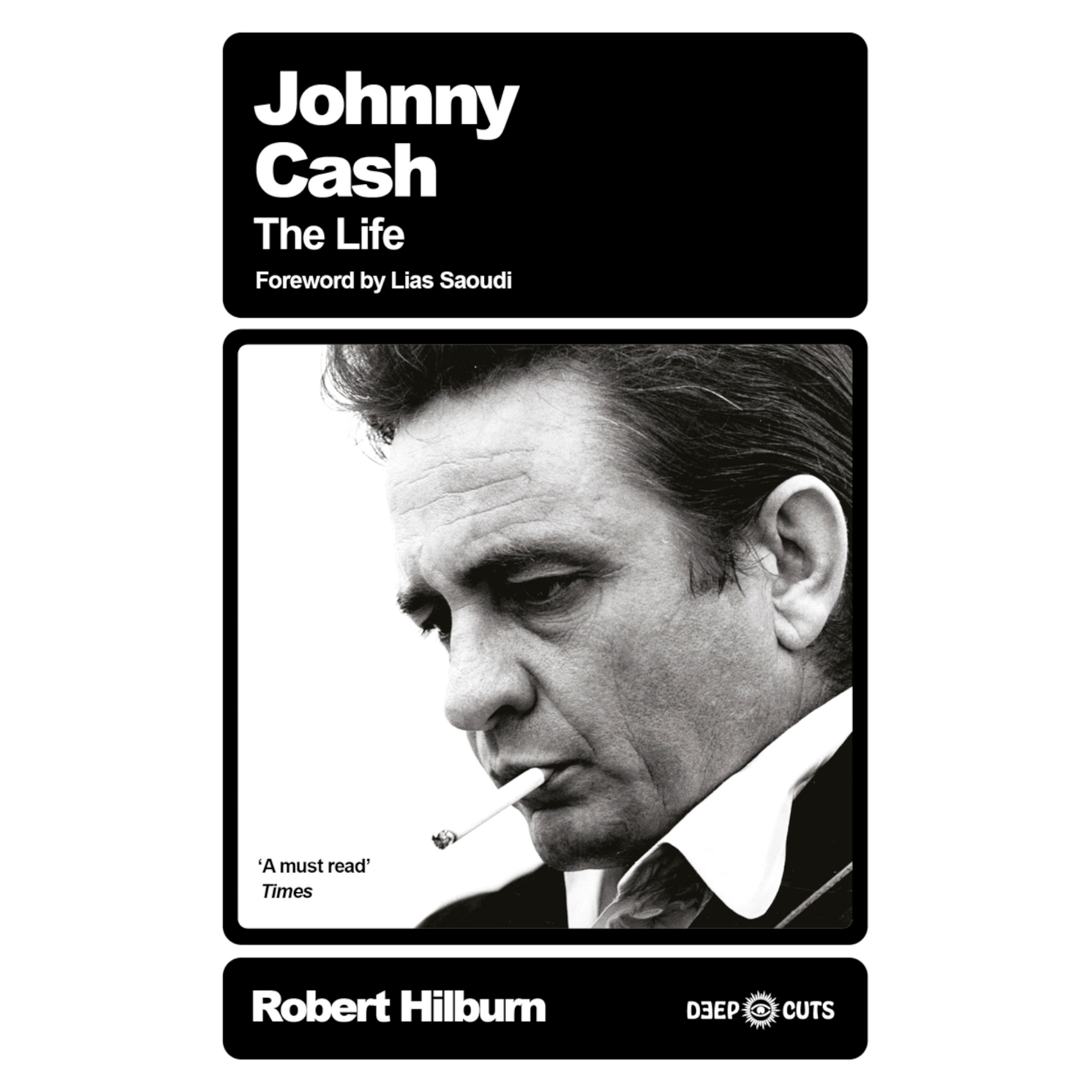
Johnny Cash: The Life | By Robert Hilburn
As the only journalist present at the legendary Folsom Prison concert in 1968, and one of the last to interview Cash and June Carter Cash before their deaths in 2003, Robert Hilburn writes with rare authority and intimacy. Drawing on decades of access and unseen material from Cash's inner circle, he reveals the remarkable highs and devastating lows of a man driven by faith, haunted by addiction and determined to create music that mattered.
The result is a compelling, deeply human portrait of a country icon and rock pioneer whose influence endures. Reissued as part of White Rabbit's Deep Cuts series with a Foreword from Lias Saoudi.
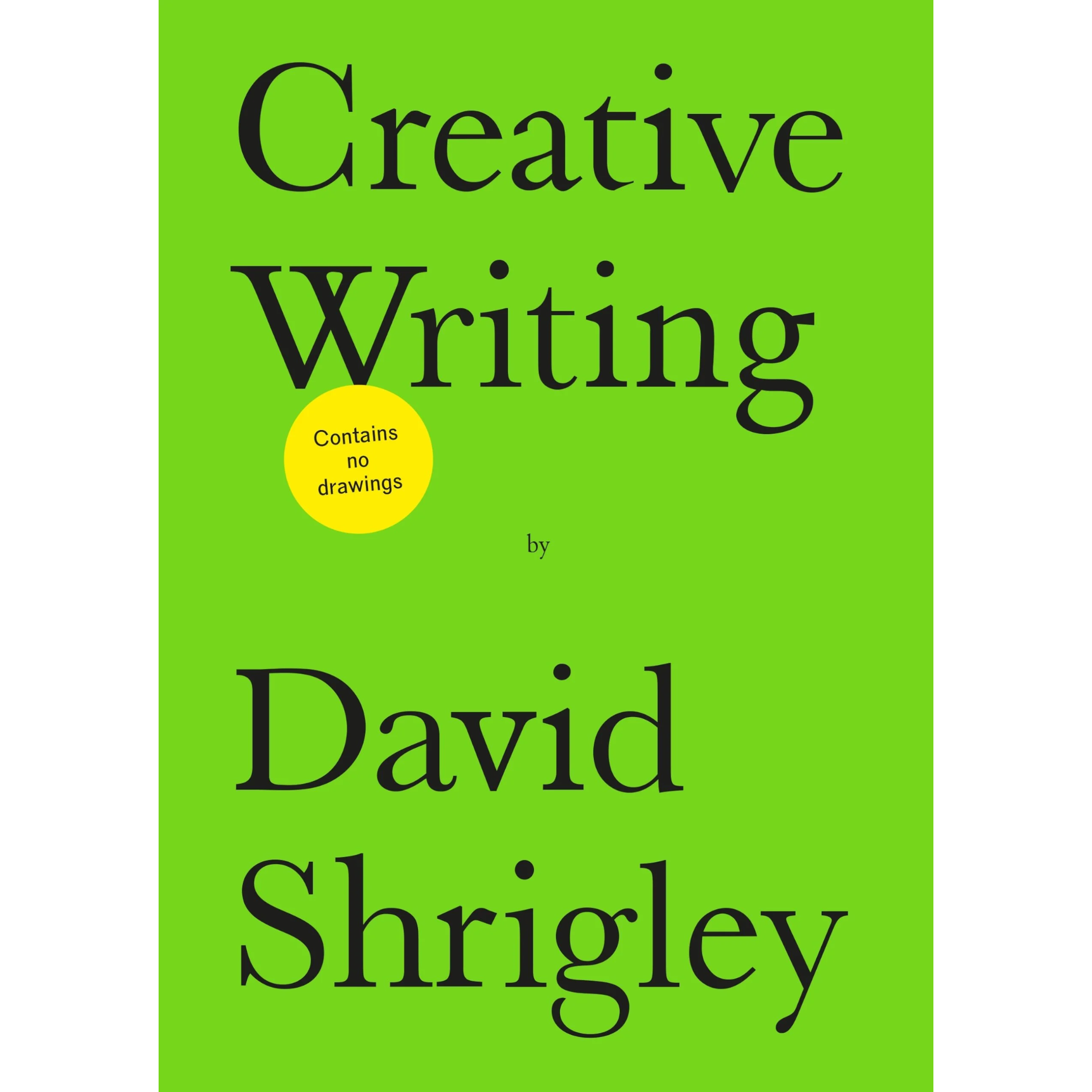
Creative Writing | By David Shrigley
The cultural icon is back: but this time, with no illustrations. Creative Writing is a thoughtfully designed, black and white book of David’s comic writing – pure words, pure joy, pure Shrigley.
Featuring...
Creative Project
The shape of a banana
Whatever you create
it must be the shape of a banana
and look like a banana
That is the only constraint
otherwise you are completely free
to create whatever you want
Let your imagination run wild
and others…
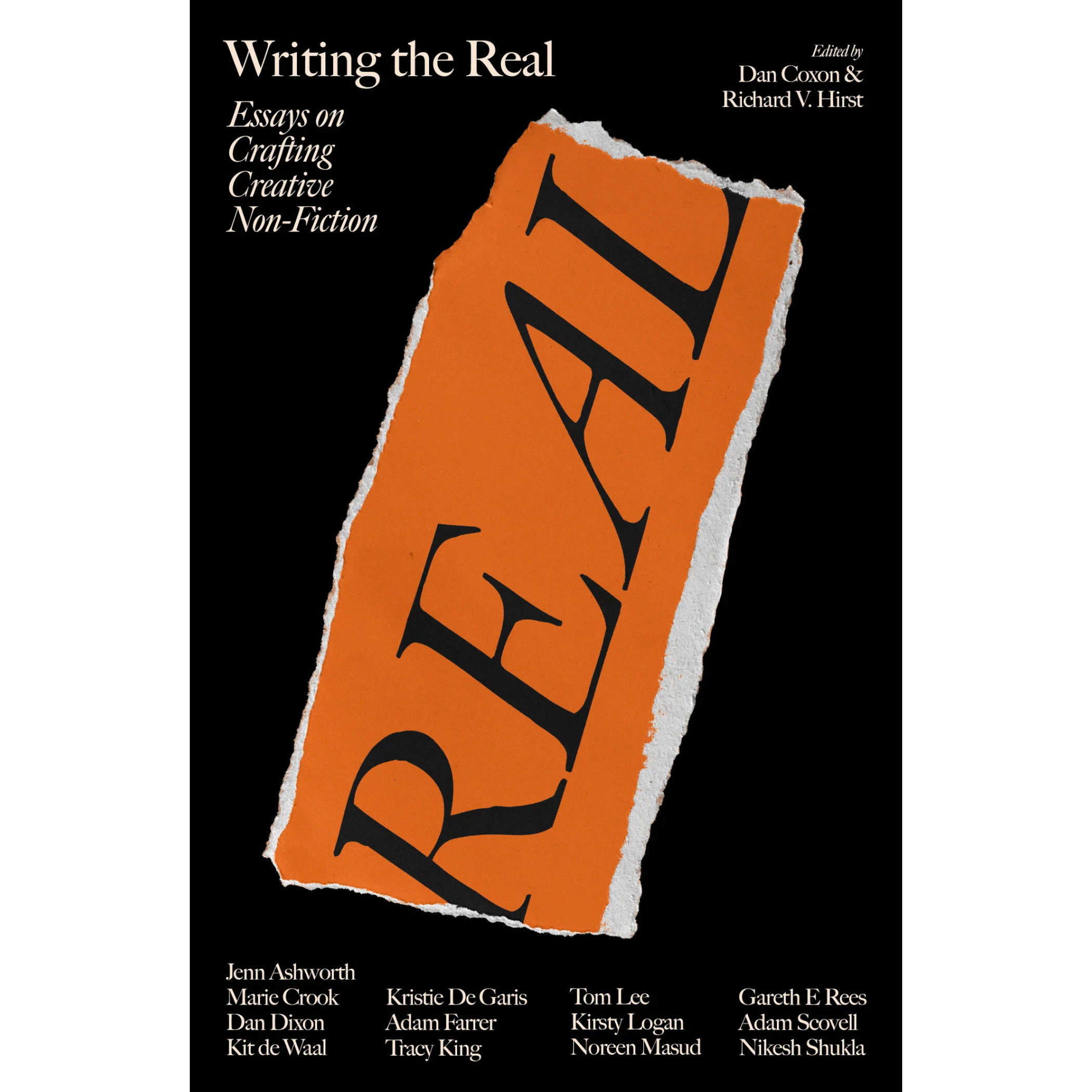
Writing the Real: Essays on Crafting Creative Non-Fiction | By Various | Edited by Dan Coxon and Richard V. Hirst
What does it mean to write about the real world? The creative nonfiction writer faces a daunting task. They must sculpt their experiences into captivating narratives, ensuring that their writing is both accessible and devoid of self-indulgence. They have the memories and the material, but telling their story effectively requires more than simply laying these out on the page.
In Writing the Real, a selection of the best creative nonfiction writers explore the craft in all its forms. From memoir and personal essays to place-based writing and autofiction, writers such as Nikesh Shukla, Kirsty Logan, Kit de Waal and Tom Lee examine how we shape our own experiences on the page, and how the ambiguity of 'reality' can become a source of creative energy. Each writer follows their own path into the real, but taken together these essays show the myriad ways in which lived experience can become a compelling story.
Writing the Real is essential reading for anyone interested in creative nonfiction - whether as a writer, a reader, or someone drawn to the art of making meaning from the world as it is. Featuring essays from: Jenn Ashworth, Marie Crook, Dan Dixon, Kit de Waal, Kristie De Garis, Adam Farrer, Tracy King, Tom Lee, Kirsty Logan, Noreen Masud, Gareth E Rees, Adam Scovell and Nikesh Shukla.
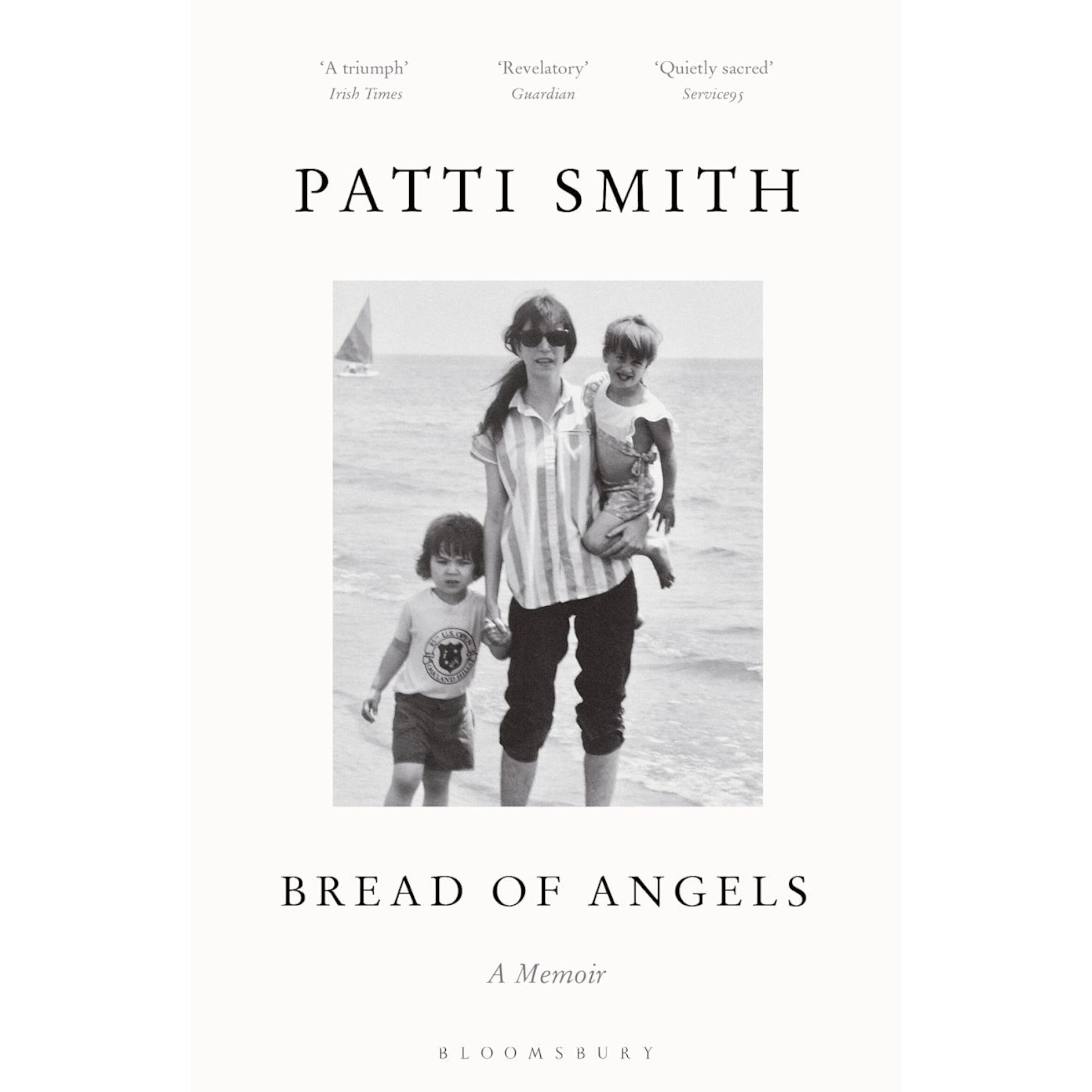
Bread of Angels | By Patti Smith
God whispers through a crease in the wallpaper, writes Patti Smith in this indelible account of her life as an artist. A post-Second World War childhood unfolds in a condemned housing complex described in Dickensian detail: consumptive children, vanishing neighbours, an infested rat house, and a beguiling book of Irish fairytales.
We enter the child’s world of the imagination where Smith, the captain of her loyal and beloved sibling army, vanquishes bullies, communes with the king of tortoises and searches for sacred silver pennies. The most intimate of Smith’s memoirs, Bread of Angels takes us through her teenage years where the first glimmers of art and romance take hold. Arthur Rimbaud and Bob Dylan emerge as creative heroes and role models as Patti starts to write poetry, then lyrics, merging both into the iconic songs and recordings such as Horses and Easter, ‘Dancing Barefoot’ and ‘Because the Night’.
She leaves it all behind to marry her one true love, Fred Sonic Smith, with whom she creates a life of devotion and adventure on a canal in St. Clair Shores, Michigan with ancient willows and fulsome pear trees. She builds a room of her own, furnished with a pillow of Moroccan silk, a Persian cup, inkwell and fountain pen.
The couple spend nights in their landlocked Chris-Craft studying nautical maps and charting new adventures as they start their family. As Smith suffers profound losses, grief and gratitude are braided through years of caring for her children, rebuilding her life and, finally, writing again — the one constant in a life driven by artistic freedom and the power of the imagination to transform the mundane into the beautiful, the commonplace into the magical, and pain into hope. In the final pages, we meet Patti on the road again, the vagabond who travels to commune with herself, who lives to write and writes to live.
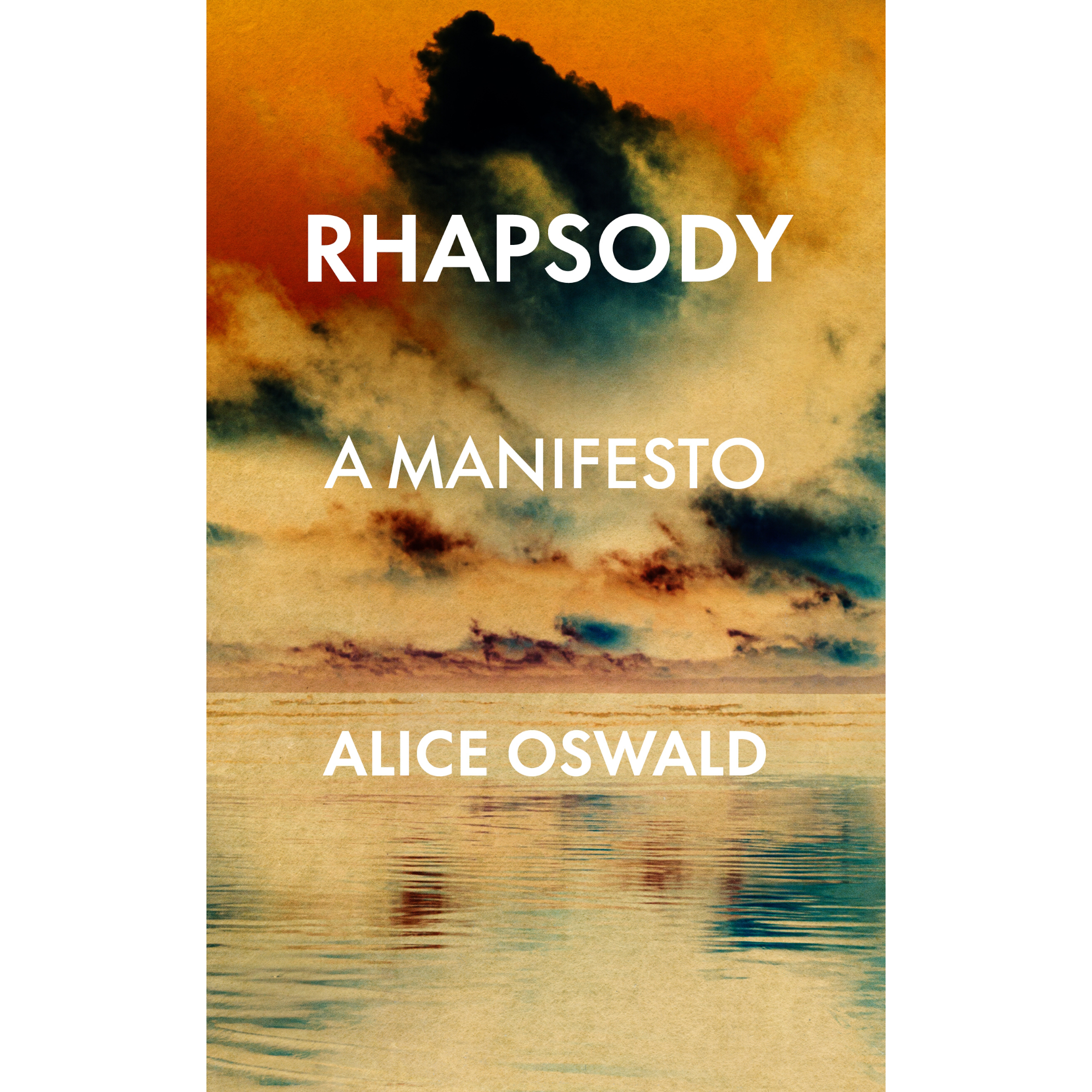
Rhapsody: A Manifesto | By Alice Oswald
A daring, genre-defying work of non-fiction from one of our greatest poets. Alice Oswald goes in search of poetry in its original, wildest form – before it was written down, before it belonged to a single voice – and finds it still speaking all around us. What begins as an attempt to ‘interview’ Homer becomes a thrilling exploration of an anonymous tradition that exists beyond authorship, spanning a world of singers, storytellers, mourners and listeners, of nightingales, grasshoppers and rivers.
Zigzagging through ballads, riddles, pibrochs, drama, interviews, artificial intelligence and sonnets, Rhapsody is a restless, miraculous exploration of poetry in its most vital form, and a resounding manifesto for the oral tradition. At once intimate and expansive, Oswald invites us to listen to the voices that shape us, and to recognise poetry not as a solitary, written art, but as a communal, essential human inheritance.

Nobody Broke Your Heart: An Intimate Biography of Elliott Smith | By Jamie Fisher
Nobody Broke Your Heart is the revealing biography of one of the most enigmatic and revered singer-songwriters of the late 20th-century. Featuring original interviews with many of his friends and collaborators and, for the first time, with the participation of his family - many of whom speak on the record for the first time - offering rare and intimate insights into his troubled life and enduring legacy. From his childhood in Texas, through to his settling in the counter-cultural hotbed of Portland, Oregon, to the heights of critical acclaim and an Oscar nomination, this biography captures the beauty and pain that permeated both his life and music.
While honouring the profound emotional resonance of songs like "Between the Bars," "Waltz #2 (XO)," and "Miss Misery," the book also confronts the heartbreaking circumstances surrounding his untimely death. More than a chronicle of tragedy, Nobody Broke Your Heart is a celebration of an artist whose delicate melodies and haunting lyrics have touched millions of fans around the world. This is the essential portrait of a tortured genius whose music continues to inspire-and whose legacy, at last, is fully illuminated.

A Non-Euclidean View of California as A Cold Place to Be | By Ursula K. Le Guin | Foreword by Marcus du Sautoy
In this refusal of futurity, Ursula K. Le Guin offers a counter-imaginary of place. She takes a non-linear journey through the stories we tell about progress and history, showing a way out of forward-oriented colonial modernity and its doctrine of technological utopias.
Drawing upon Taoist philosophy and Indigenous storytelling, she advocates for anti-heroic alternatives to myths of endless growth. Through Le Guin's characteristically playful prose, A Non-Euclidean View of California as a Cold Place to Be shows that how we write is inseparable from how we imagine worlds, revealing the possibilities of living differently here and now.
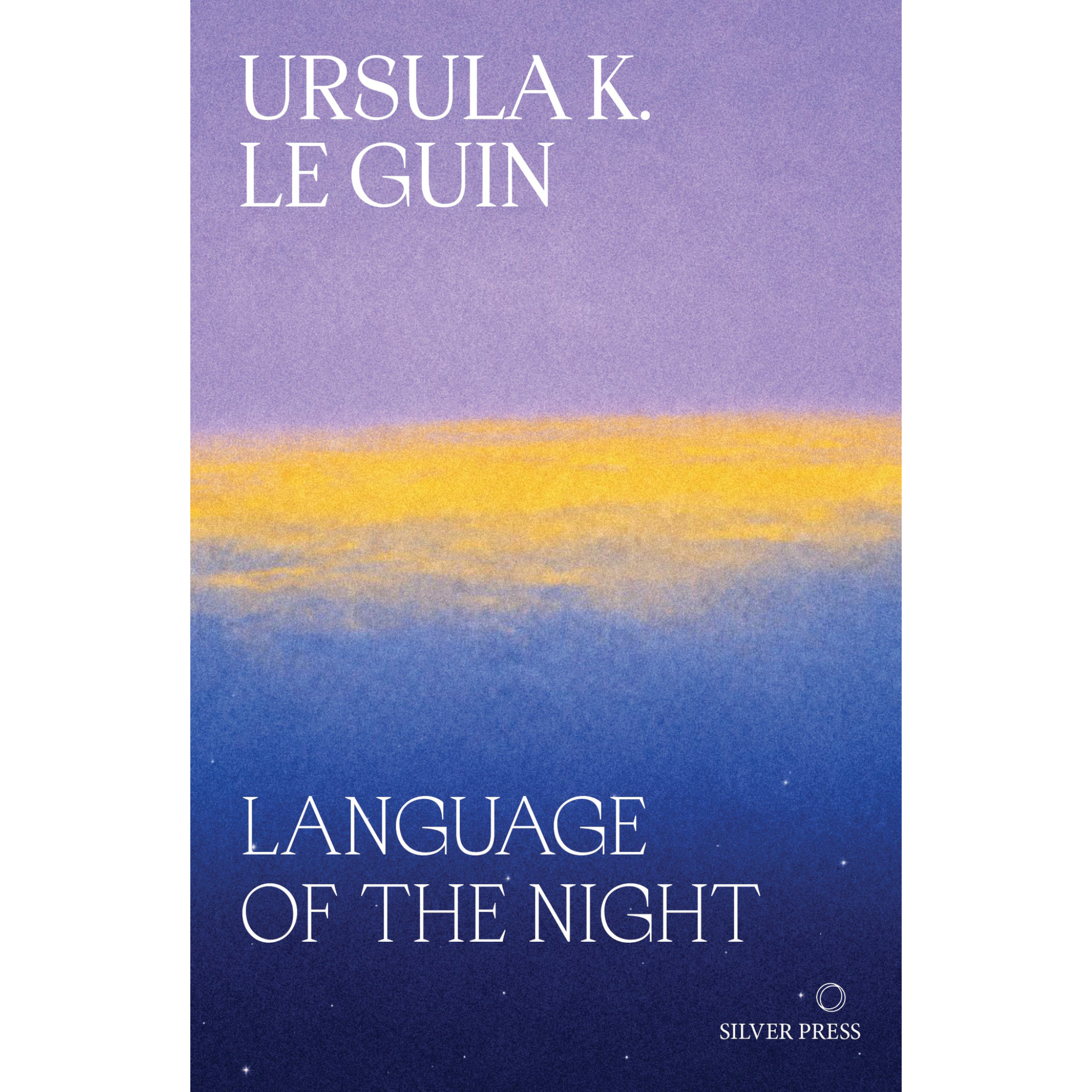
Language of the Night: Essays on Writing, Science Fiction and Fantasy | By Ursula K. Le Guin
In Language of the Night, Ursula K. Le Guin reflects on genre, imagination and the ethical work of writing. Illuminating the making of major works such as A Wizard of Earthsea and The Left Hand of Darkness, Le Guin argues for science fiction and fantasy as literary modes that sustain philosophical, political and emotional inquiry.
She considers artistic responsibility, the uses of myth, the craft of storytelling, and the role of the writer as teacher and public intellectual. This wide-ranging collection traces Le Guin's emergence as one of the defining literary voices of the twentieth century, championing the imagination as a vital instrument of freedom.
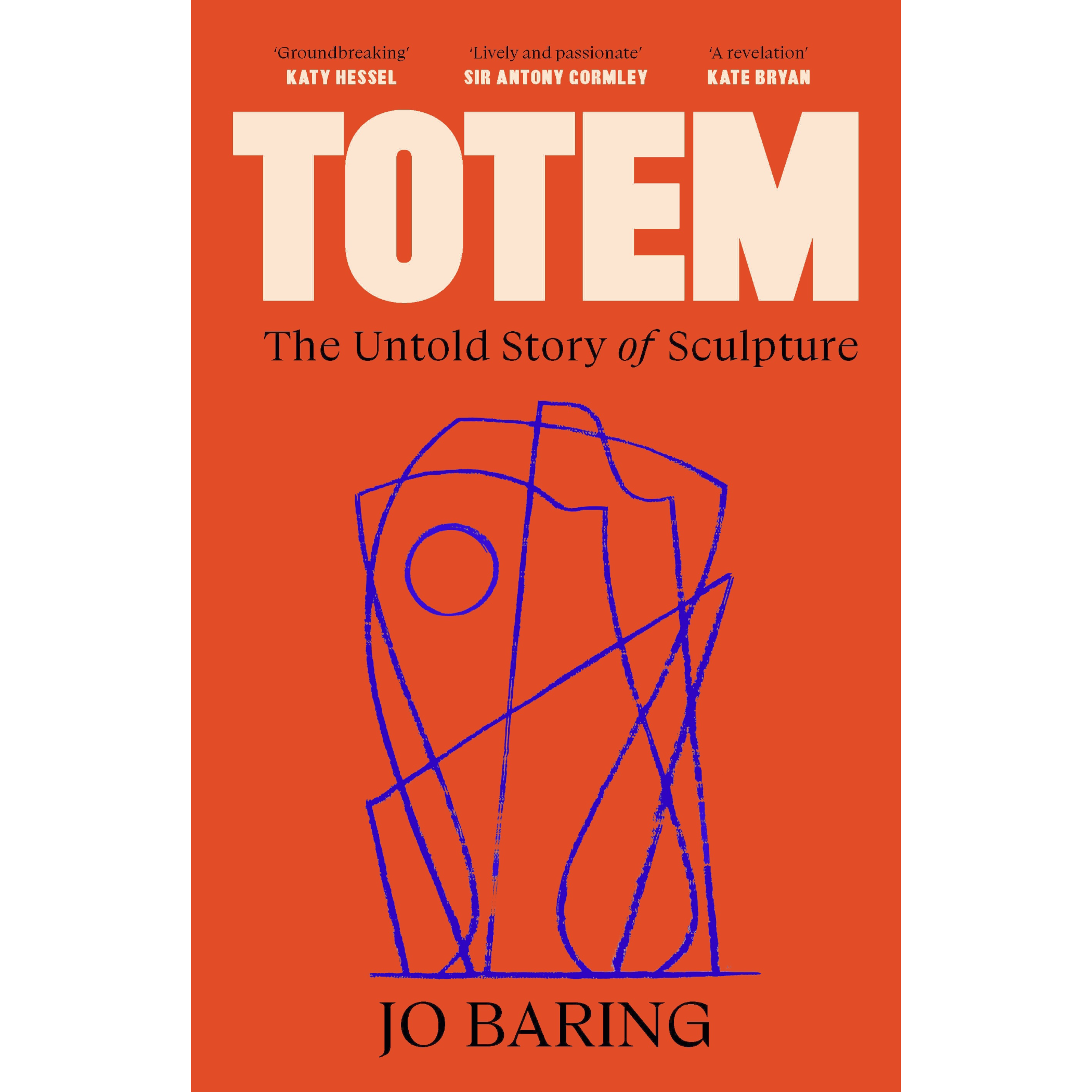
Totem: The Untold Story of Sculpture | By Jo Baring
For forty thousand years, we have been carving and moulding, shaping and chiselling, feeling our way and sensing our place in the world through sculpture. In this accessible, story-led journey into the heart of sculpture, renowned art historian and curator Jo Baring explores creativity, memory and why we have been driven to make art in this medium since the very beginning of humanity. She examines sculptures from the pre-historic Lion Man figure found in a German cave, to an ancient Mayan pyramid that conjures a serpent made of shadows and icons of the Italian Renaissance such as Michelangelo's devastating Pietà.
Along the way, we encounter in a fresh light the work of twentieth century and contemporary giants such as Alberto Giacometti, Barbara Hepworth, Henry Moore, Constantin Brâncusi, Louise Bourgeois, Yayoi Kusama and Antony Gormley, among others. Lyrical and beautifully illustrated, Totem is a celebration of art, those creating it and those it means something to.
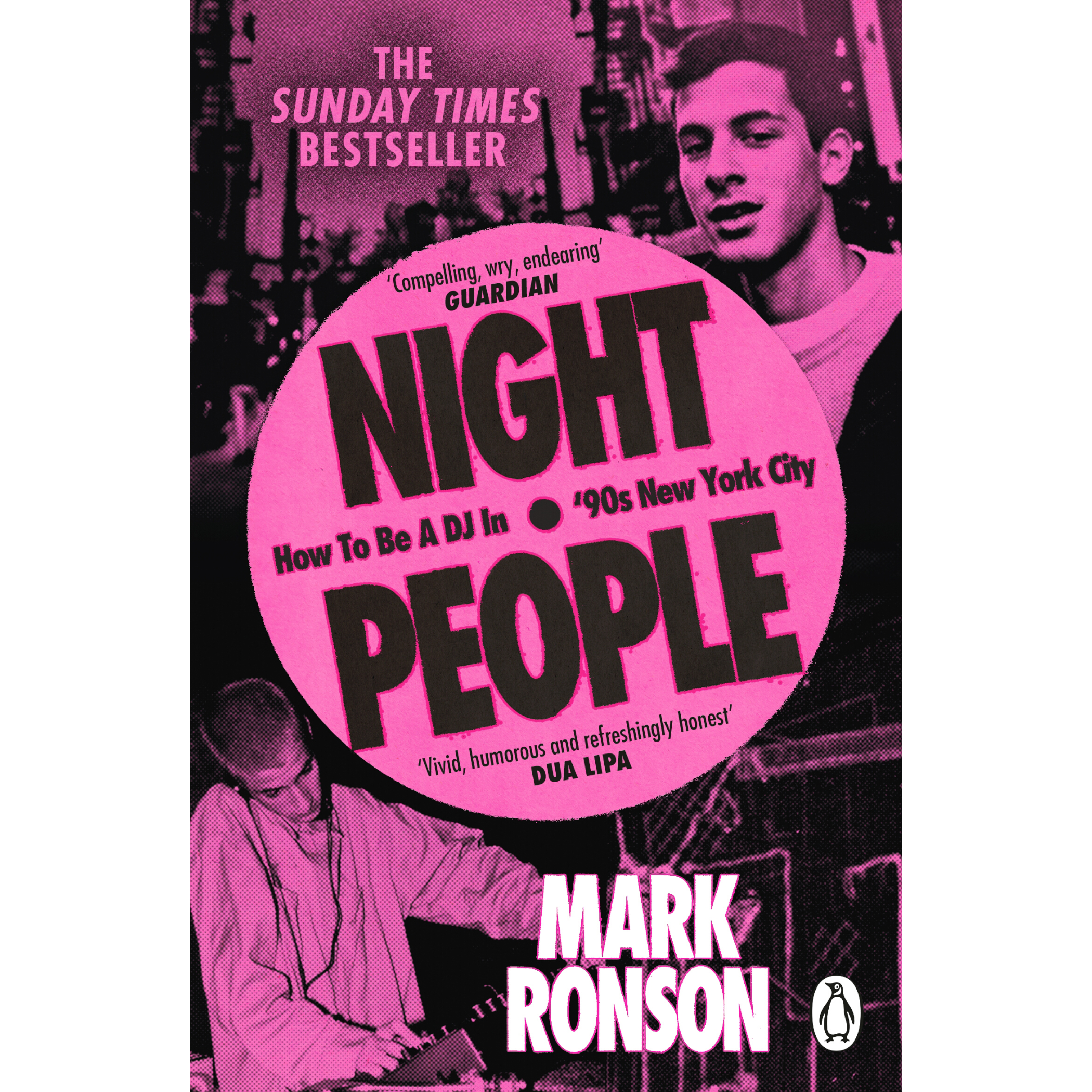
Night People: How to Be a DJ in ‘90s New York City | By Mark Ronson
Lady Gaga, Adele, Amy Winehouse, Dua Lipa, Bruno Mars, Miley Cyrus, the Barbie soundtrack. Behind some of the biggest musical moments in the past two decades is one man: Mark Ronson. Now, his memoir Night People captures the music, characters, escapades and energy of his formative DJ days in '90s New York.
Mark Ronson was born a night person. With hedonistic creatives for parents, parties became his playground. Yet, having moved to New York City from London at a young age, he always felt like a bit of an outsider, until discovering himself in the pulsing, unifying joy of the city’s parties and hip-hop scene. Each night brought a heady mix of music, ambition, danger, delight, and possibilities. Having well and truly caught the DJing bug, he worked to find his place and make his name in the city that never sleeps.
Night Peopleconjures the undeniable magic of '90s New York, when clubs were diverse, glamorous, a little lawless. It evokes the rush of a time and place where fashionistas and rappers on the rise danced alongside club kids and 9-to-5'ers – and invites us into the tribe of creatives and partiers who came alive when the sun went down.
A heartfelt coming-of-age tale, Night People is the definitive account of a cultural moment and the making of a musical mastermind.
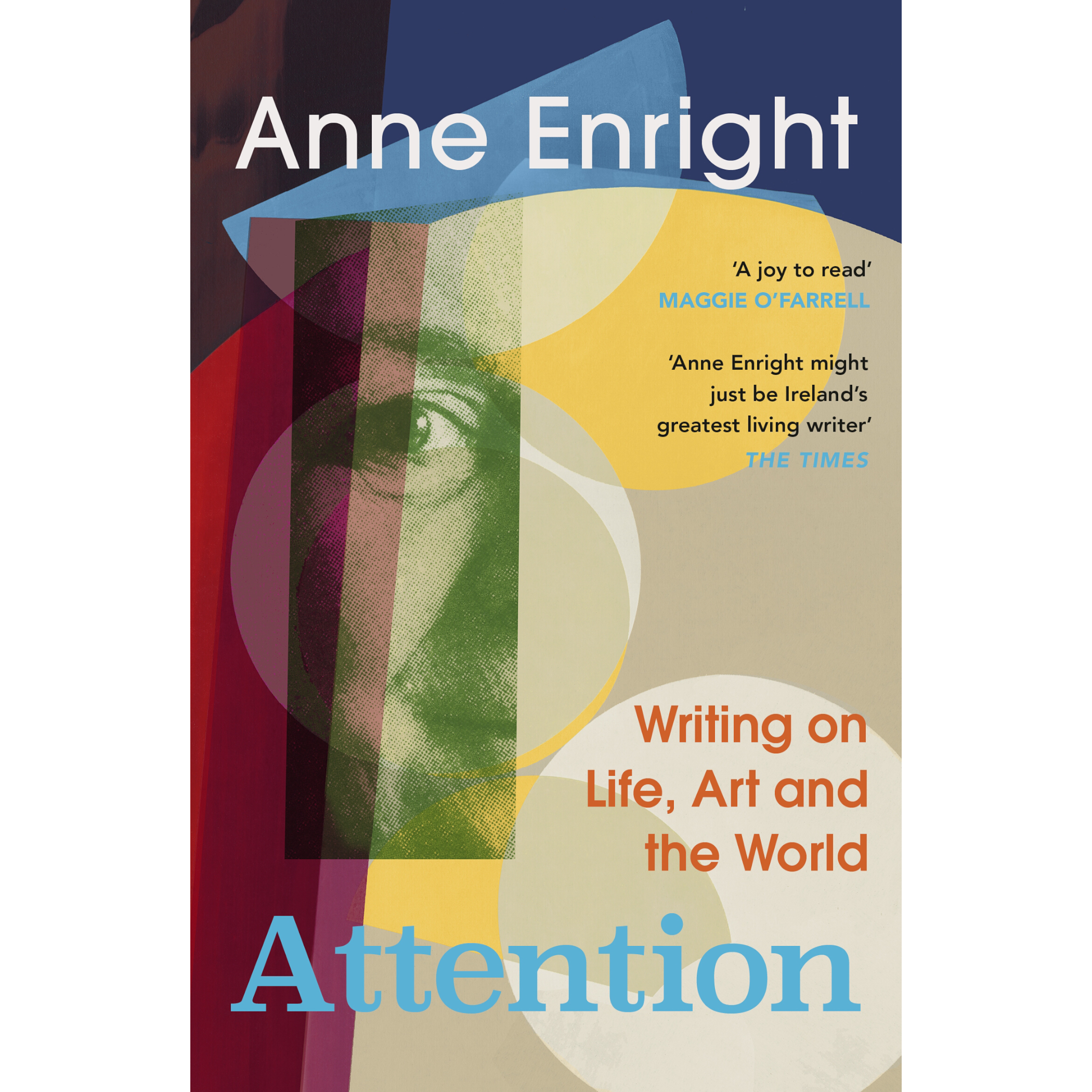
Attention: Writing on Life, Art and the World | By Anne Enright
For thirty years Anne Enright has been paying attention: casting her lucid and distinctive gaze across the world, literature and her own life, and gifting us with her precise insights. These essays, collated from across Enright's career, take us from Dublin to Galway, Canada to Honduras. They delve into Enright’s own family history, and explore the free voices and controlled bodies of women in society and fiction.
She offers new perspectives on writers including Alice Munro, Toni Morrison, James Joyce, Helen Garner and Angela Carter. In Enright’s fiction, speech can transform, rupture, enliven and liberate. In these essays, she speaks to us directly.
Electrifying, probing and exuberant, this is a defining collection from one of our most distinguished literary voices.
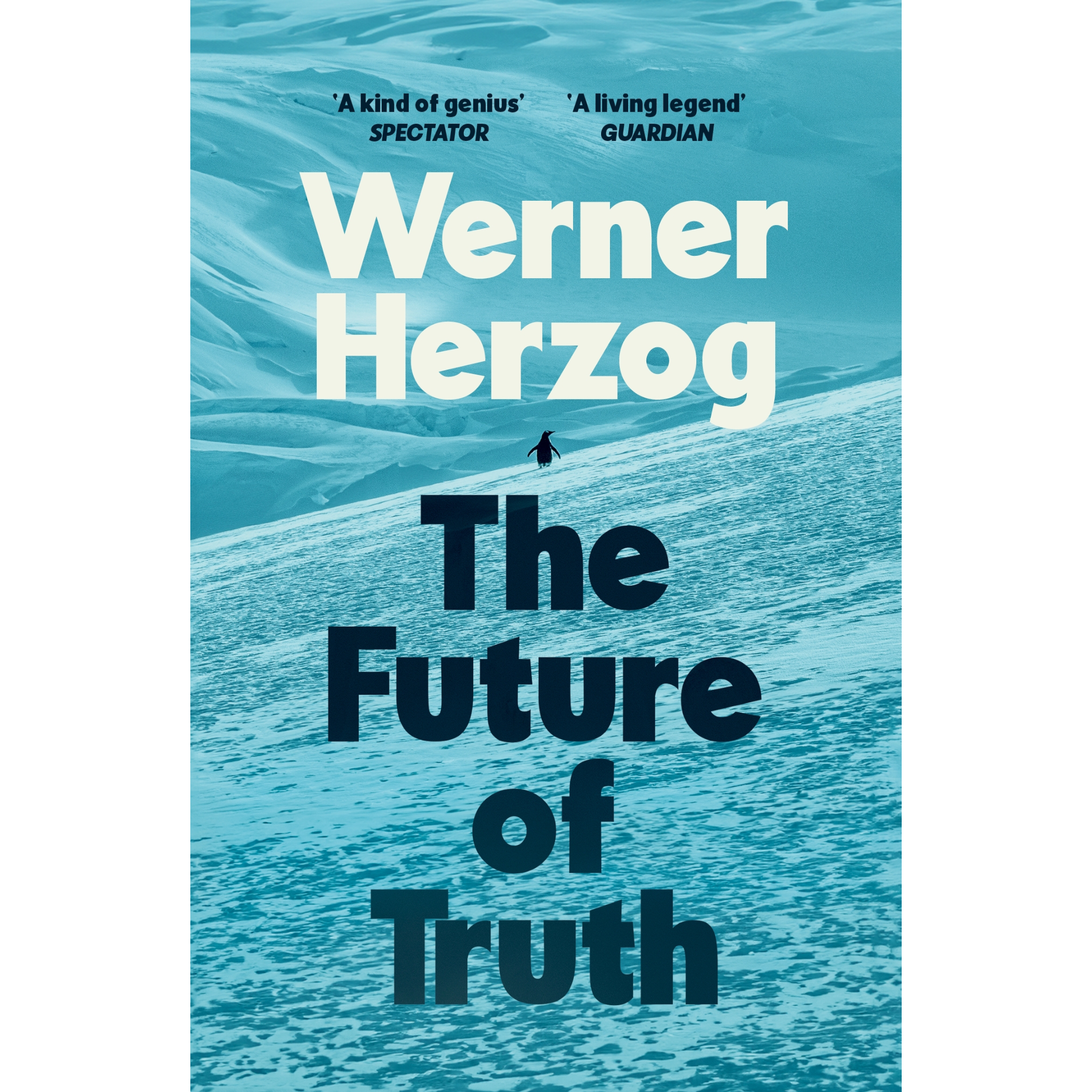
The Future of Truth | By Werner Herzog
What if a lie could be true?
At the heart of this fascinating and iconoclastic book lies Werner Herzog’s concept of ‘ecstatic truth’ – a truth that is often hidden behind the facts and our conceptions of reality but can be gleaned through the poetic imagination, in art, literature and cinema, when we open ourselves up to an aesthetic experience.
Written in Herzog’s inimitable style, these stories, anecdotes and reflections take us from present-day deep fakes and the opportunities and perils of AI to ancient Egypt and Rome, where rulers resorted to lies and propaganda in the same way as governments do today; from Scott and Amundsen’s race to the South Pole to alien abduction claims and the making of Herzog’s own films.
With its singular vision and unique voice, The Future of Truth is a compelling meditation on the relationship between fact and fiction – evidence and imagination – by one of today’s most fascinating and idiosyncratic thinkers.
Too Little, Too Hard | By Various | Edited By Lucy Mercer and Livia Franchini
In recent years, countless arguments have been made for and against the enduring value of literature: reading improves mental health and offers refuge from the news cycle; the novel is dead, poetry obsolete, writers AI-replaceable. Too Little, Too Hard adds nuance to these discussions by asking professional writers what they actually think about literary value, and their underexplored working conditions.
What does it mean to write under a neoliberal economy? What can writers afford to work on – and what are they not supposed to approach? What side work sustains them, and what does it cost? What does the publishing industry want, and what does it quietly refuse? And what has happened to literary criticism, to the university, and to the conditions that once made writing possible?
In this wide-ranging collection of essays, fifteen of our most important writers reflect on their experiences of writing under – and against – capitalism. At once critical and hopeful, Too Little, Too Hard seeks to reckon with the material crises in the present state of literature, while proposing collective action as a way to secure a future in which a writing life becomes viable. With contributions from Rachael Allen, Sanah Ahsan, Anthony Anaxagorou, Julia Bell, Emily Berry, Sarah Brouillette, Helen Charman, Claudia Durastanti, Yara Rodrigues Fowler, Will Harris, Amber Husain, Dizz Tate, Lara Williams, Holly Pester, Andy Perluzzo, Omar Robert Hamilton.
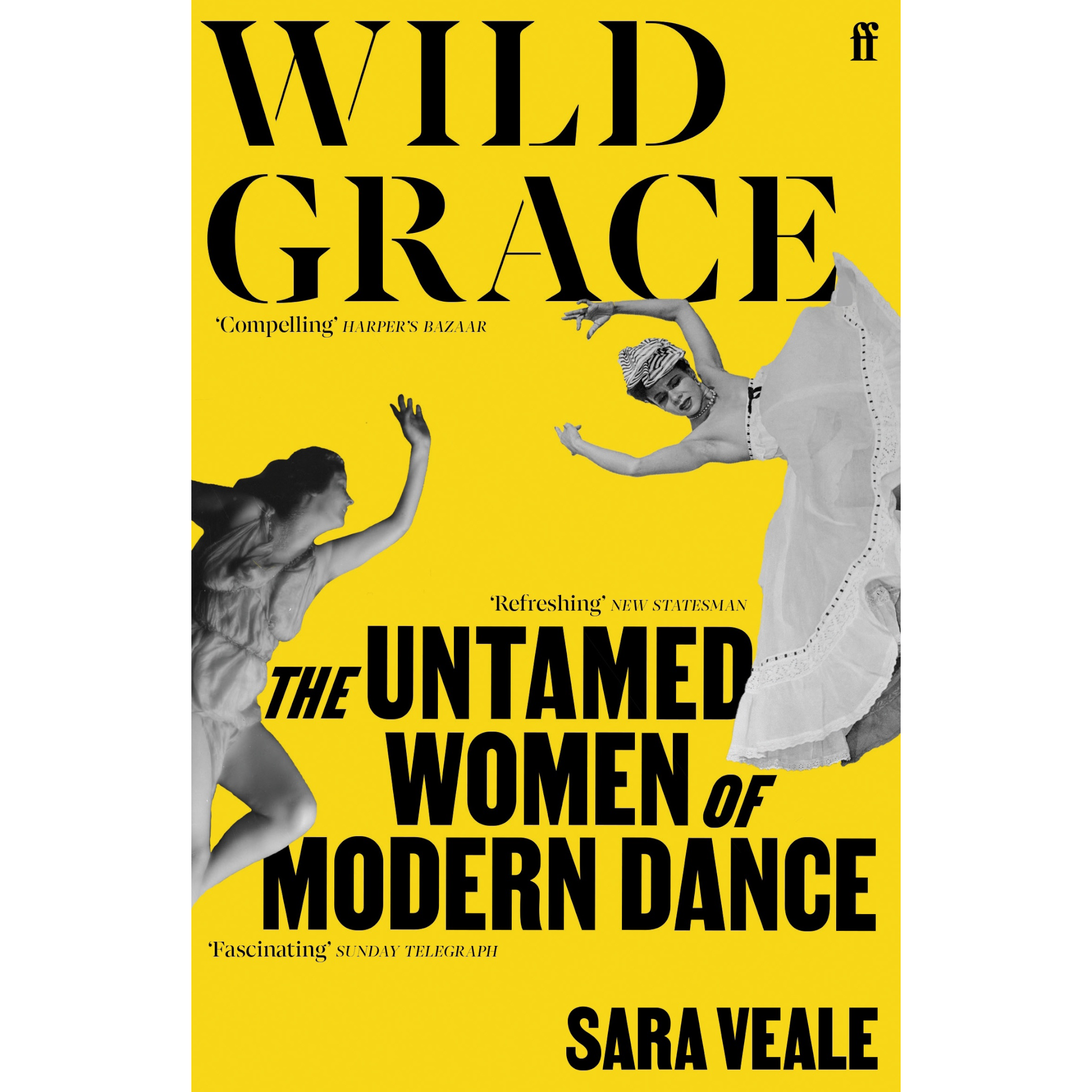
Wild Grace: The Untamed Women of Modern Dance | By Sara Veale
The untold history of the extraordinary women who drove the modern dance movement and changed cultural narratives about sex, power and women's rights.
The story of modern dance is a story of subversion - of forms challenged and hierarchies toppled in the pursuit of blazing artistic integrity. In Wild Grace, Sara Veale profiles nine of the pioneering women at the heart of this movement, from Isadora Duncan and Loie Fuller's fearless rejection of nineteenth-century paternalism to Katherine Dunham and Pearl Primus's battles to recentre marginalised histories in the wake of the Second World War.
Each of these dancers redefined the meaning of grace in their art and their lifestyle, conveying vital truths about what it means to walk the world as a woman. Veale brings to life the stories and artistry of these remarkable individuals and reveals how, in their refusal to conform, we can find urgent lessons for today.
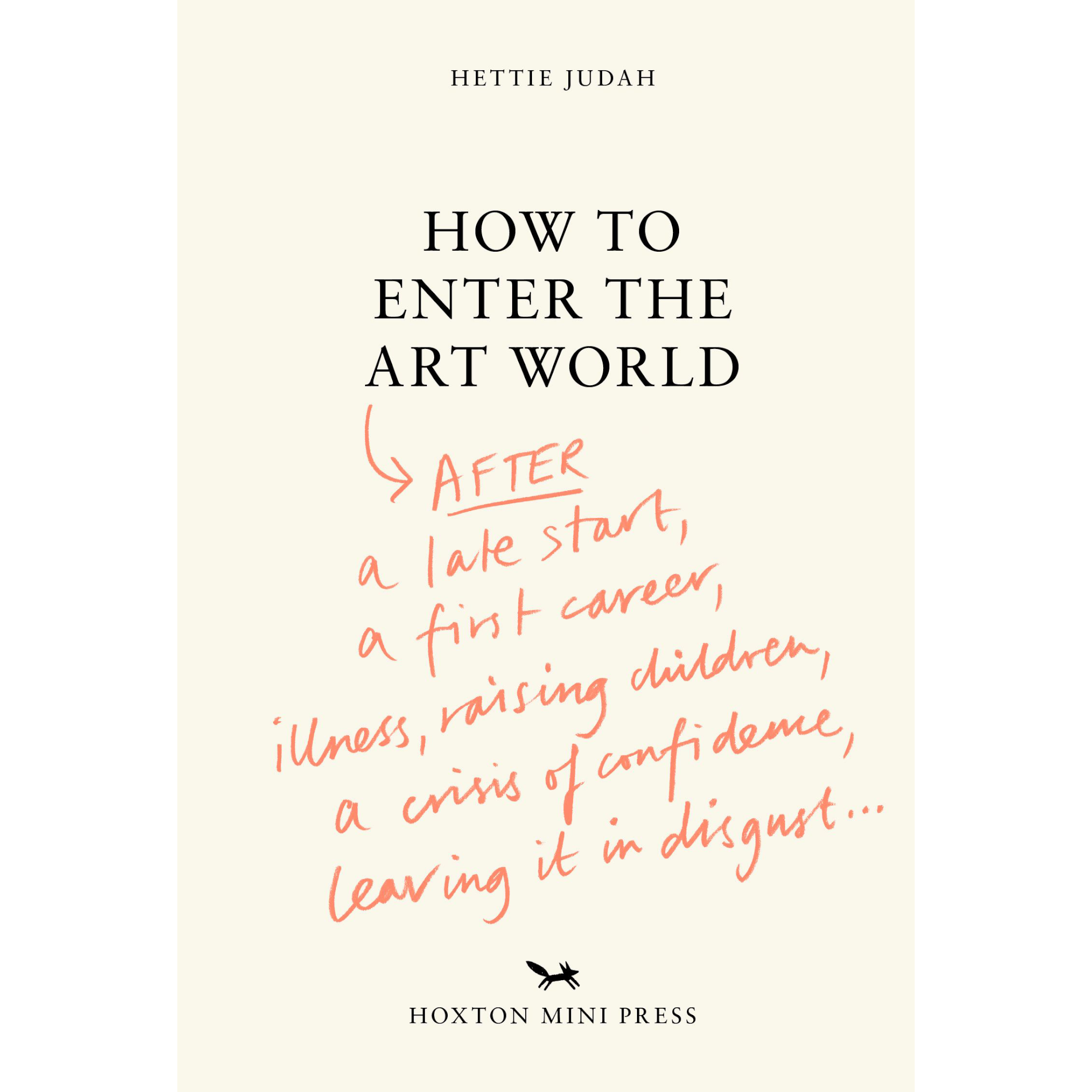
How to Enter the Art World...: AFTER a late start / a first career / raising children / caring for parents / recovering from illness / a crisis of confidence / leaving it in disgust. | By Hettie Judah
A guide for anyone whose trajectory through the art world isn't a smooth upward curve, based on years of research with art professionals.
The commercial art world is powered by a convenient fiction: that artists' careers proceed along an established route, onwards and upwards, with always the same goal in sight. It is also notoriously hard to re-enter after time away. Based on years spent talking with artists and arts professionals, How to Enter the Art World is a compendium of guidelines, pointers and tips to help readers chart their own route as an artist. Frank, funny and occasionally forthright, this book illuminates the many different ways to be an artist, regardless of life's obstacles and interruptions.
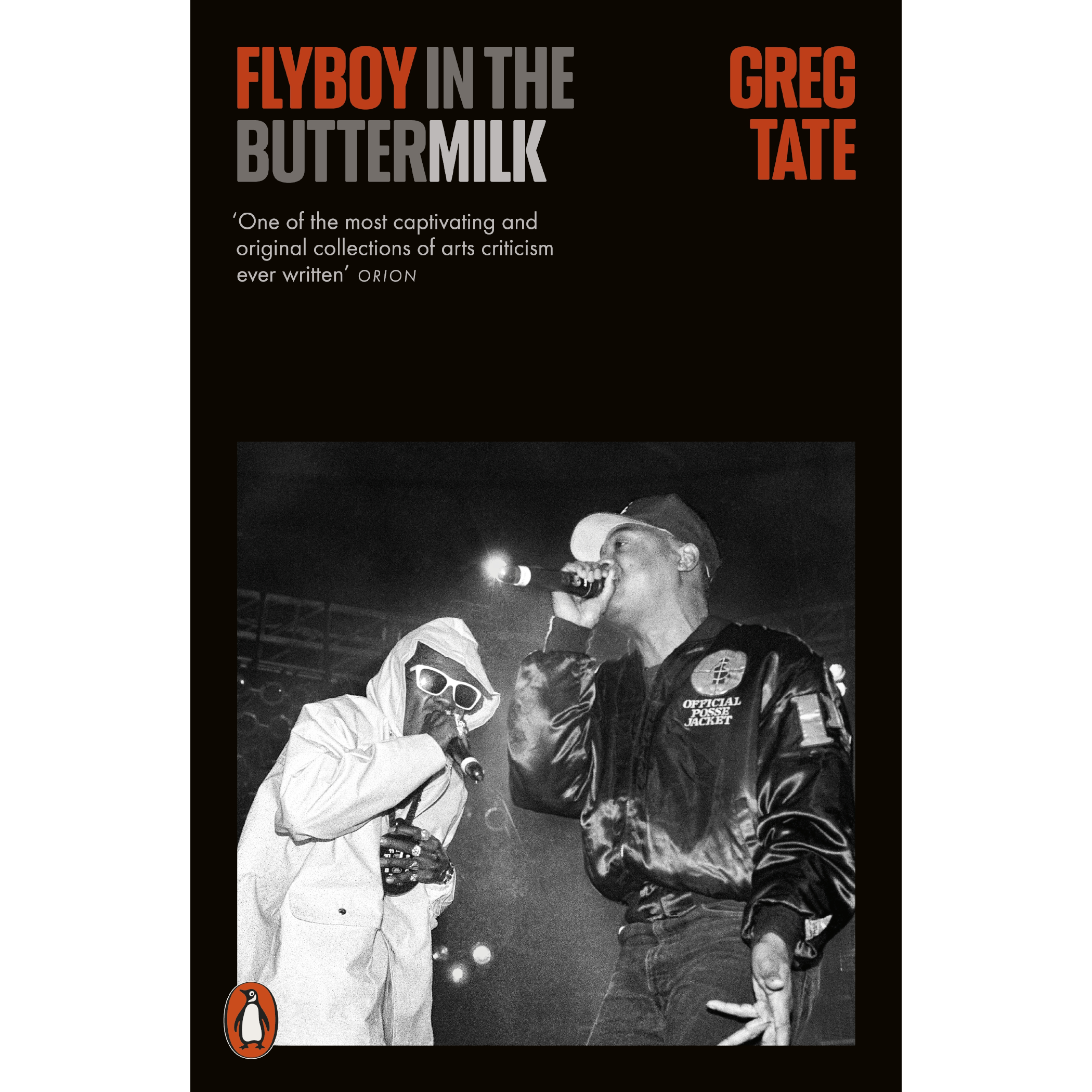
Flyboy in the Buttermilk | By Greg Tate | Introductions by Questlove and Hanif Abdurraqib
These pieces orbit social, pop cultural, political, and economic subjects — from the rise of hip-hop, the art of Jean-Michel Basquiat, the music of Miles Davis, James Brown, Jimi Hendrix, Bad Brains, and many others, to the crisis of the Black intellectual and the irony of the GOP recruiting Black Americans. With unrivalled flair, Tate writes in a voice that is at once angry, joyous, self-critiquing, and dazzlingly witty.
Tate teaches us ‘it is not too late to say too much, to be so dissatisfied with the world as it is that we throw far too many words toward the sky, and see what the heavens throw back’ - Hanif Abdurraqib.
A Creative Compass: Finding Your Way to a Creative Life | By Emma Gannon
An empowering guide for artists, makers, writers and anyone seeking to live more creatively, with confidence, calm and joy. We all possess creativity, whether it's in the clothes we wear, the way we arrange flowers, or the patterns we choose for our bedroom walls.
However, in today's fast-paced, AI-driven world, many of us have lost touch with our innate creative abilities. By chasing trends, productivity hacks and protocols, we forget to trust ourselves, instead relying on algorithms to dictate what we like, what we make, and crucially, how we feel.
Award-winning author Emma Gannon understands just how essential creativity is for survival. Through necessity, she has forged her own creative compass to rekindle her spark when it’s running low.
Now, she invites us to set our own inner compass, with mindsets, rituals and actions to help us: overcome burnout and mental blocks by blocking external noise, reignite our creative inspiration and flow through making 'bad' art, and reconnect with intuition and self-trust by finding the values that guide us. Break free from the need for outside approval and create a vibrant, fulfilling life from the inside-out.

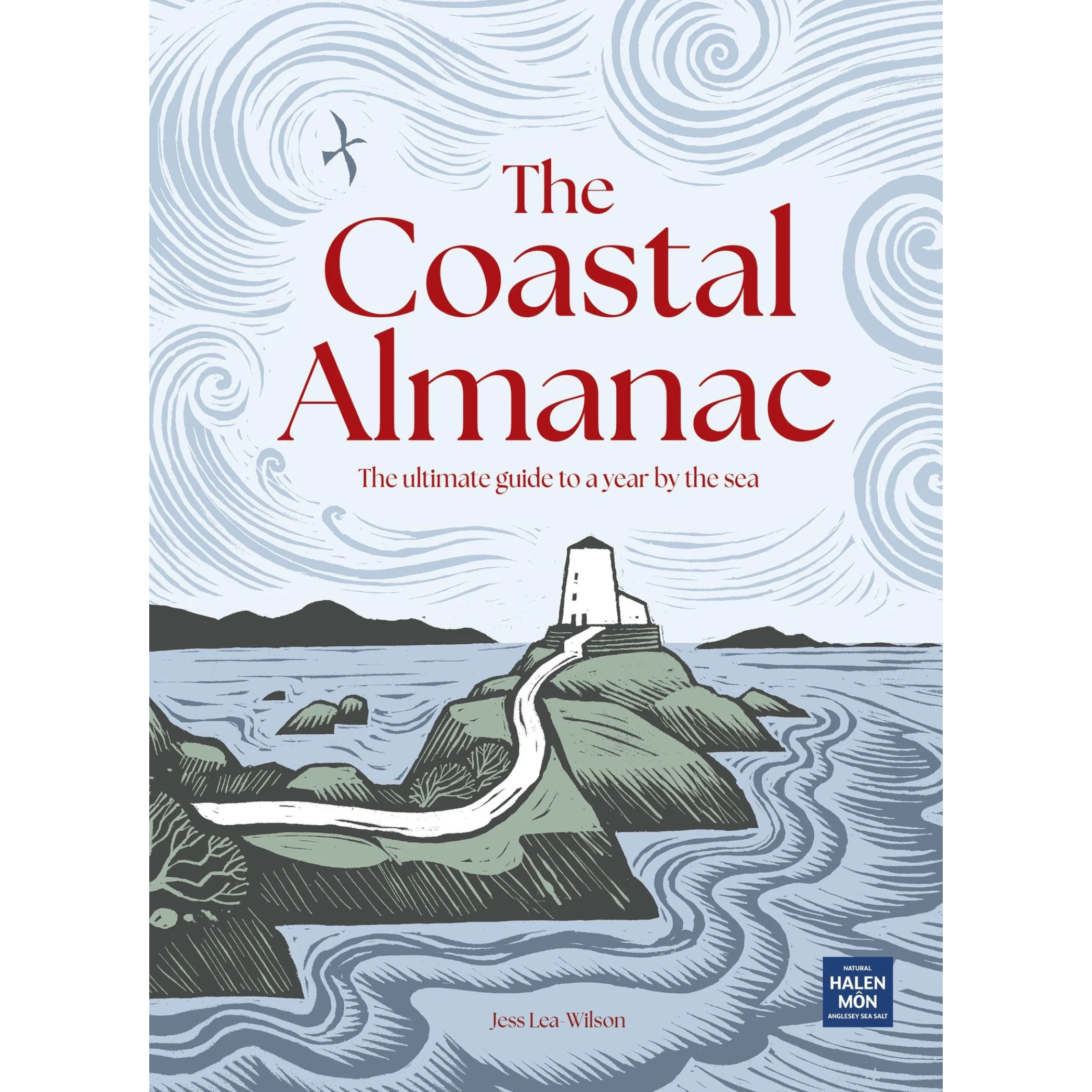
The Coastal Almanac: The Ultimate Guide to a Year by the Sea | By Jess Lea-Wilson
Whether it's the warmth of the sun on sandy skin, the sharpness of a cold-sea swim or a rare glimpse of a bright blue kingfisher, each month of the year brings new experiences, weather and wildlife to the coastline. From renowned sea-salt producers Halen Môn, The Coastal Almanac charts the seasons with insights on flora and fauna, recipes, spotters' guides, and plenty more.
Halen Môn salt has become a favourite of chefs worldwide, and now they bring their coastal expertise to help you get the most from the seaside, all year round. Rooted in the Welsh coast, this beautiful book is illustrated with stunning photography and bespoke illustrations. Perfect to be packed in a jacket pocket or bag for a trip to the beach, or simply enjoyed in an armchair at home, The Coastal Almanac is essential for every lover of the sea.

The Plunge: Maverick Swimmers, An Unlikely Quest, and The Transformative Power of Cold Water | By Chris Ballard
Lifelong athlete and Sports Illustrated writer Chris Ballard worried his days of exercise were numbered. Then he received a fateful text message about a trend taking hold around the world: submerging in freezing cold water. It wasn’t only thrill seekers or wellness gurus extolling its power.
Swimmers have long known that when paired with cold, their sport delivers extraordinary rewards; now, modern research has shown that just a few minutes in cold water can deliver remarkable benefits: heightened energy and focus, reduced inflammation, and relief from depression and anxiety. In The Plunge, Ballard travels to laboratories and swims in waters around the world, from Portsmouth to the Pacific, tracing the roots of cold water swimming in ancient practices largely lost in the modern world. He immerses himself in the growing tribe of cold-water junkies of all ages, shapes and nationalities, from pioneers like Lynne Cox to visionaries like Ram Barkai, whose audacious dream of getting ice swimming into the Olympics edges closer to reality.
And, from cold plunging to open water swimming to ice swimming, he tests his limits in this extreme sport, eventually becoming a US national champion, his body and mind transformed along the way. Blending history, cutting-edge science, colourful characters, and propulsive narrative storytelling, it’s a rollicking, eye-opening adventure that reveals how a single act — stepping into cold water — can unlock resilience, connection, meaning and joy.
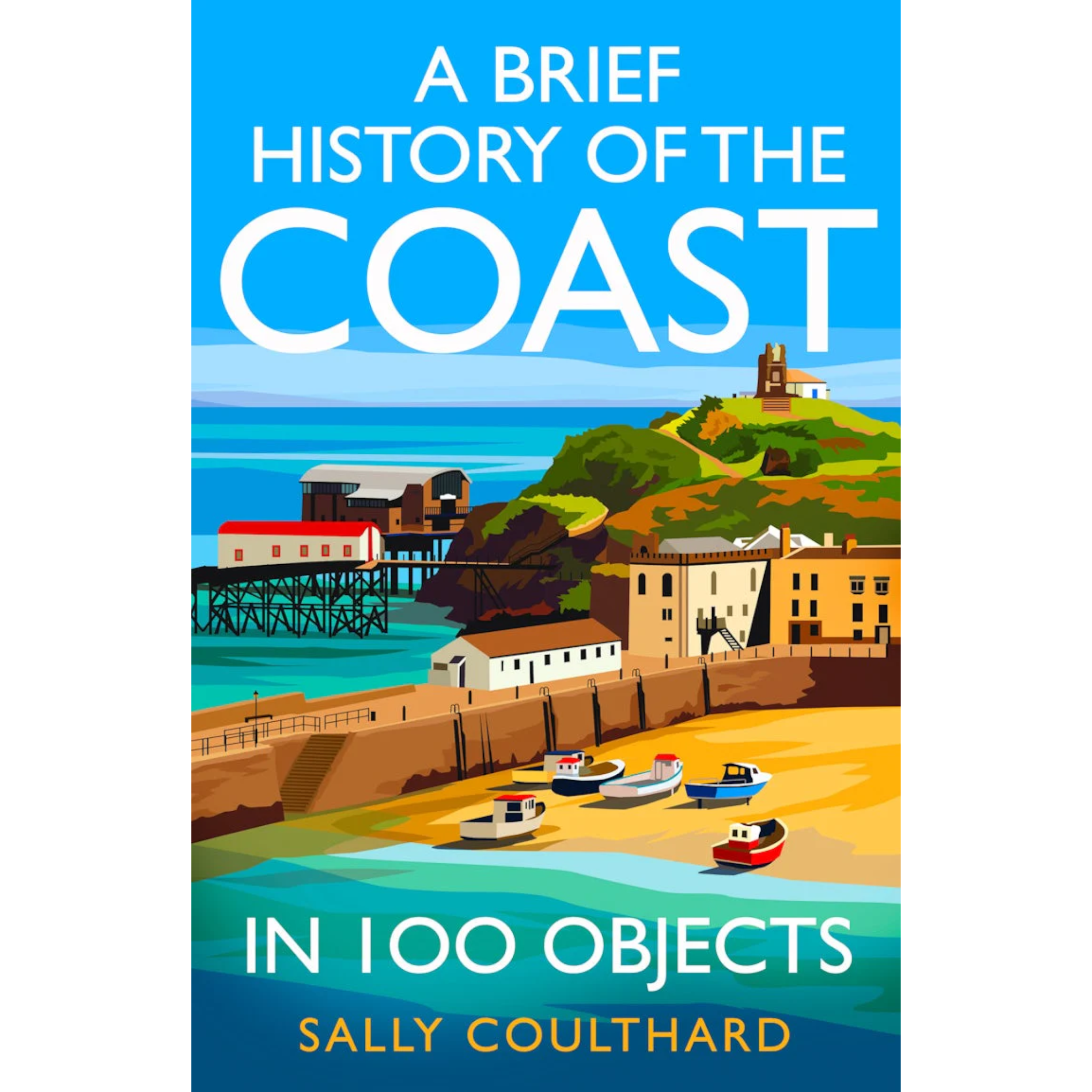
A Brief History of the Coast in 100 Objects | By Sally Coulthard
An immersive history of our coasts and the people who have shaped them. The coast means something different to everyone. It’s a place of pleasure and reckless pursuits, of fishing, fearless endeavours and a crashing, rugged beauty. The coast is, and always has been, our first line of defence and our springboard to other cultures.
Through the lens of 100 carefully selected objects, this treasure chest of a book delves into the myriad ways our coastlines have shaped, and been shaped by, our history, culture, and identity. From Roman lighthouses to rosary beads, knitted jumpers to Viking slave shackles, each object serves as a portal to a unique story. Sally Coulthard’s engaging narrative goes far beyond the traditional seaside holiday to illuminate the coast’s role as a first line of defence, a site of trade, and a catalyst for cultural exchange.
Readers will discover how the coast has influenced our beliefs, economy, and even our domestic lives. And, looking out to sea, this book will show how Britain’s story is anchored to those of our European neighbours and of faraway lands. From one of Britain’s finest historians of material culture, this book vividly captures the enduring magic and significance of our shores.
Whether it’s smugglers’ underpants or sailor’s hoaxes, whale vomit or pickled puffin – it all washes up on the British coast…
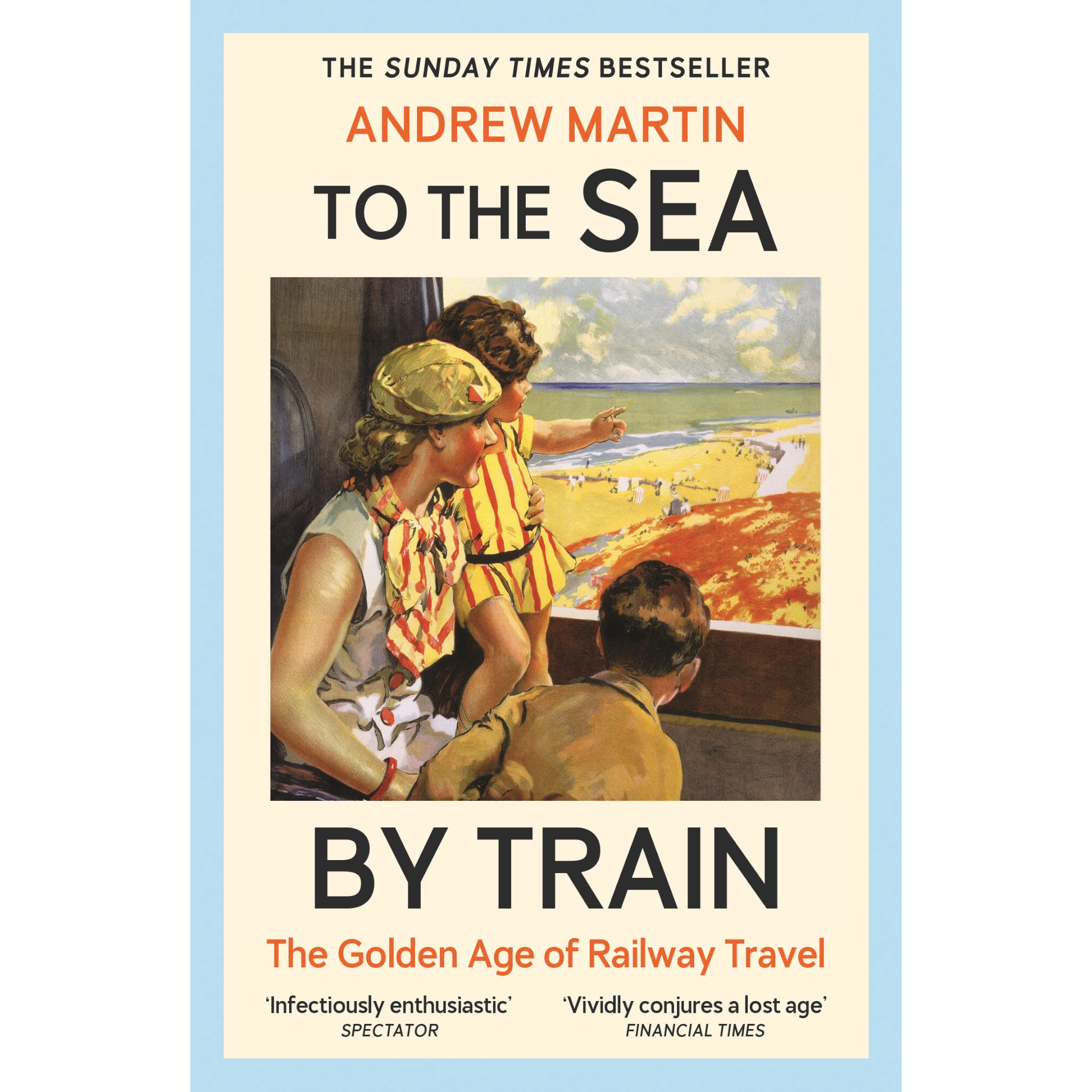
To the Sea by Train: The Golden Age of Railway Travel | By Andrew Martin
Throughout the twentieth century, the seaside service posters of Britain's railways promised fresh air and frivolity to millions of urban dwellers with the phrase: 'To the sea by train'.
A staple of modern British life, the seaside getaway was intertwined with the train, in whose compartments holidaymakers were shunted from smog-choked cities to sandy coves. With his signature wit and anecdotal style, Andrew Martin captures an era defined by its railways: from the development of Brighton and Scarborough into pleasure resorts, and the introduction of bank holidays and two-day weekends, to the advent of cheap flights and the British coast's subsequent decline.
Humorous and evocative, To the Sea by Train takes a charming tour through Britain's most beloved pastime.
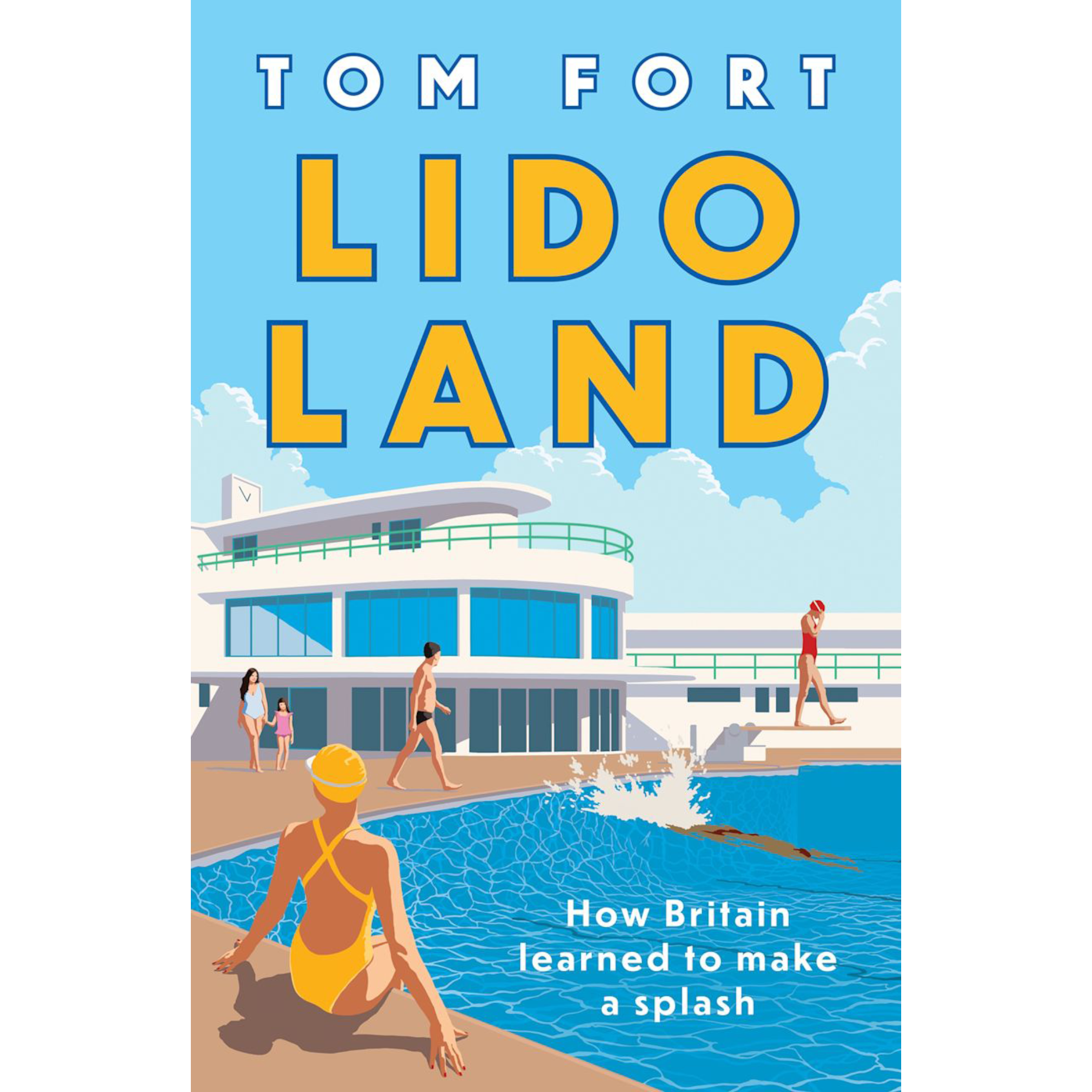
Lido Land: How Britain Learned to Make a Splash | By Tom Fort
Tom Fort takes us on a fun-packed journey around the UK’s lidos past and present, proving that lidos can tell us more about social trends, progress and political ideology than you might think.
Along the way he takes us to the only surviving Lido in Wales, built in 1927 to help miners wash off their daily dirt, to the Portobello Pool in Edinburgh where Sean Connery was once a lifeguard, and around the iconic seaside towns of Blackpool and Weston-super-Mare where the loosening of Victorian moral standards could be measured by the shrinking of swimming costumes. Along the way, we meet the beauty queens competing for the Miss New Brighton crown at the Merseyside lido in 1966, a mayor who finished Guildford lido’s opening ceremony by stripping off his robes and gold chain and diving headfirst into the water, and we spend time with the colourful characters involved in designing, creating and keeping lidos afloat through the years.
His journey shows us, time and time again, the personal significance of the lidos’ communal spaces — the unmistakable cold of the water rising above your shoulders, the sounds and smells of poolside sunbathing, the sun-baked tiles underfoot and the warm towel after a freezing dip. Fort, with his characteristic wryness and nostalgia, gathers memories and observations from the swimmers he meets along the way, interspersing these with historical fragments and moments from his own history. He laments the lidos we have lost, celebrates those saved by persistent community organising, and takes a frank look into their future.
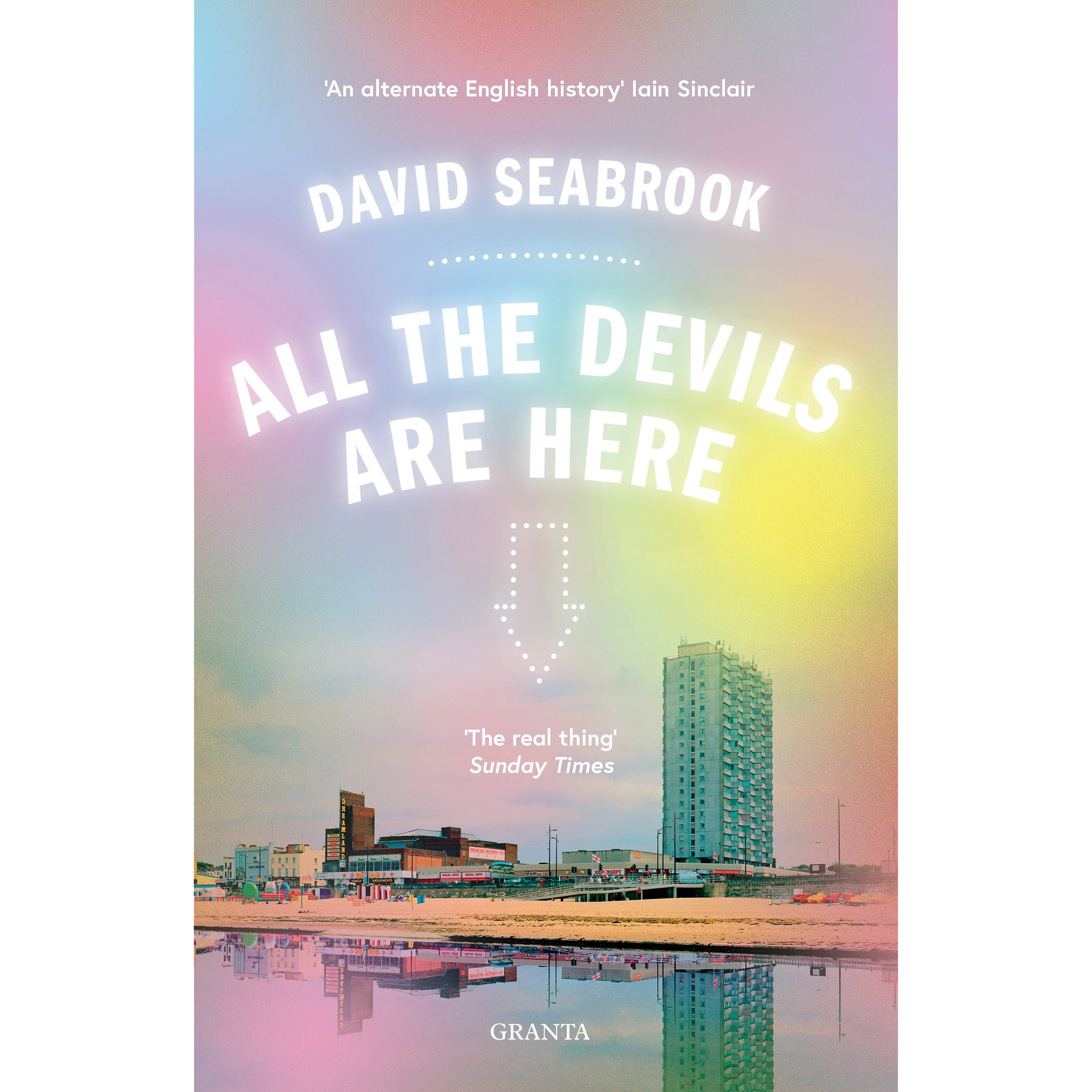
All the Devils are Here | By David Seabrook
Twenty years ago, in a series of mysterious, incandescent writings, David Seabrook told of the places he knew best: the declining resort towns of the Kent coast. The pieces were no advert for the local tourist board. Here, the ghosts of murderers and mad artists crawl the streets. Septuagenarian rent boys recall the good old days and Carry On stars go to seed. Clandestine fascist networks emerge. And all the time, there is Seabrook himself - desperate perhaps, and in danger. Dark, strange and immediate, this is a classic work of sui generis British literature. There are devils here, and the reader will remember them.
David Seabrook was born in 1960 and spent most of his life in Kent, where he studied Proust at the University of Canterbury. A marked outsider, he drew inspiration from artists who operated outside prevailing literary fashion, those who persisted when nobody was listening. His writings ranged from tributes to unheralded authors to studies of tabloid crimes, were all committed to longhand, seldom found any publishing outlet, and are now considered lost. At the turn of the century, the longhand pages of All the Devils Are Here came to Granta’s attention and the book was published in 2002. In 2009, Seabrook’s body was discovered in his Canterbury flat. He had published only one further work, the novel Jack of Jumps.
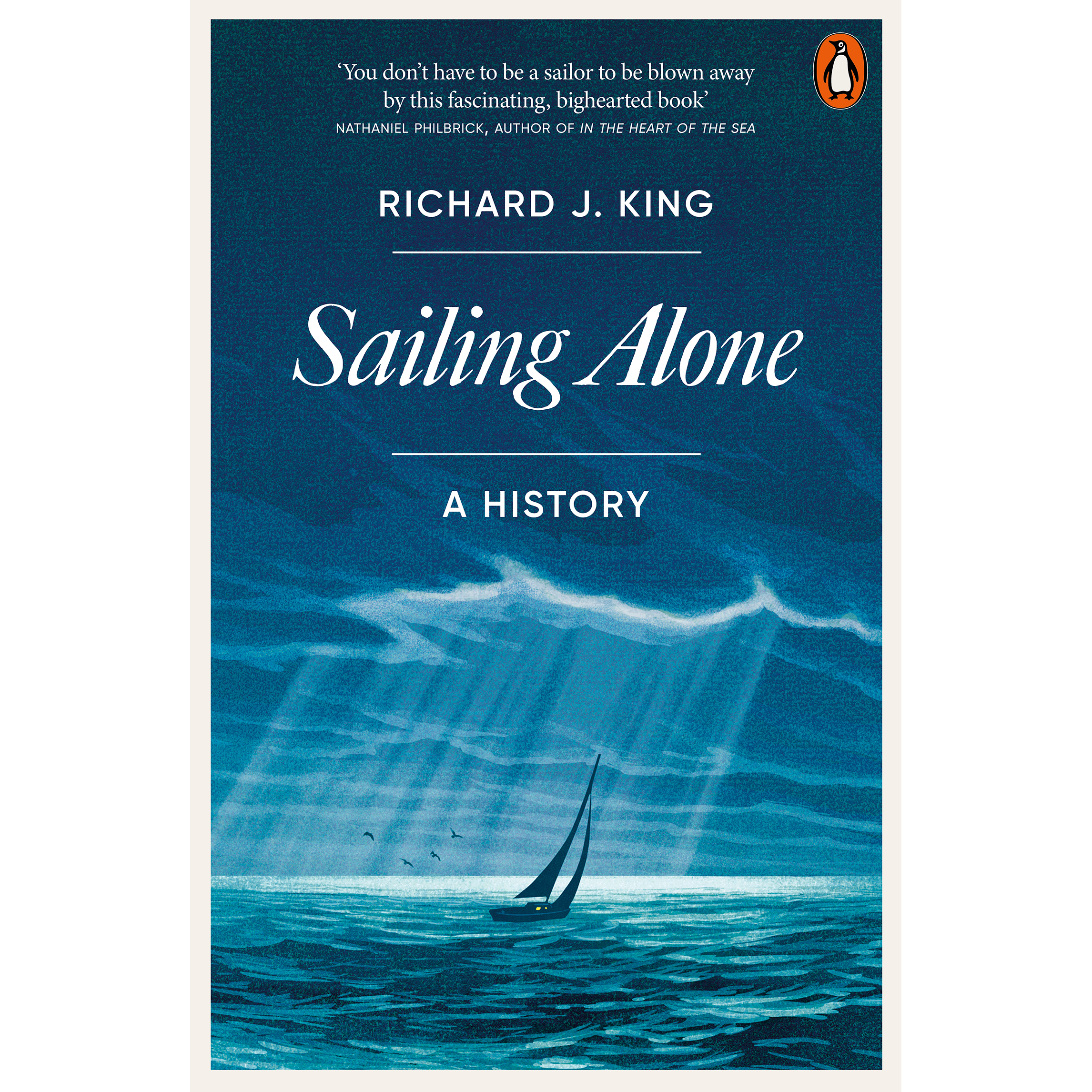
Sailing Alone: A History | By Richard J. King
Sailing on a boat by yourself out at sea and out of sight of land can be exhilarating or terrifying, compelling or tedious - sometimes it can be all of these things just in one morning. It is an adventure at odds with our normal, sociable lives, carried out floating on a medium wholly inimical to our existence. But the deep ocean is also a remarkable place on which to think.
Richard King's enormously engaging and curious new book is about the debt we owe to solo sailors: women and men, young and old, who have set out alone. Spending weeks and months alone, slowly, quietly and close to the ocean surface is to create the world's largest laboratory: an endlessly changing, capricious and startling place in which to observe oneself, the weather, the stars and myriad sea creatures, from the tiniest to the most massive and threatening.
This is a book for anyone who is fascinated by sailing, solitude and the vast seas that cover so much of our planet.
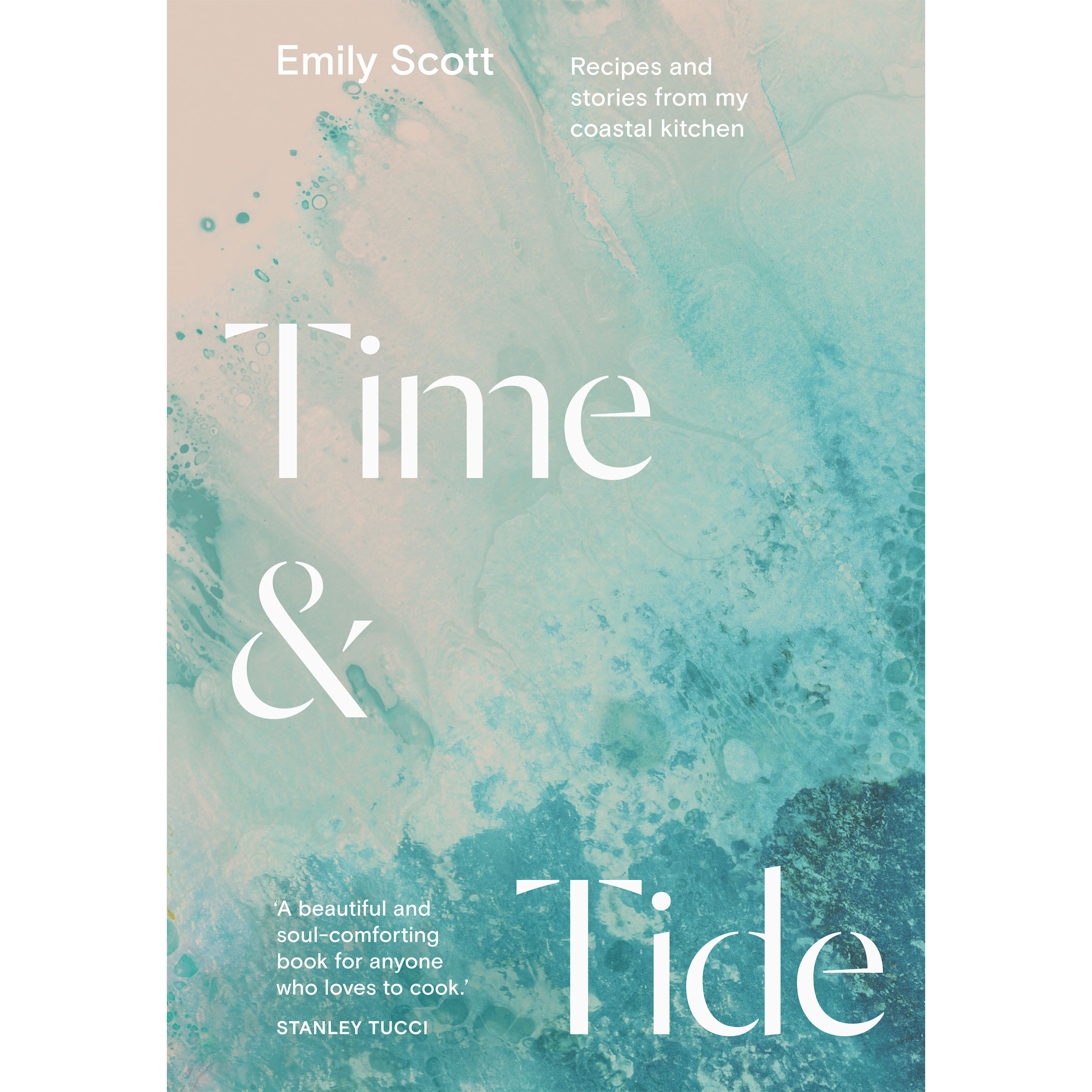
Time & Tide: Recipes and Stories from My Coastal Kitchen | By Emily Scott
In Time & Tide, Emily Scott weaves together all the strands that influence and inspire her cooking; from the salt-scented air to the ever-changing shades of the water and the shapes and textures of the wild fennel and tamarisk plants that crowd in on the Cornish coastal path. These elements make for incredible dishes infused with creativity and a sense of place. Emily's recipes reflect the ebb and flow of daily life during the year; from breakfasts of overnight oats and buttery crumpets to lunches of sea-herb focaccia, and from suppers of Cornish bouillabaisse to desserts of treacle tart and bramble and peach crumble.
Each dish evokes something inherently special to Emily and the culinary delights of Cornwall. Be welcomed into her coastal world with more than 80 recipes alongside stunning photography to help you discover this most-magical of places.
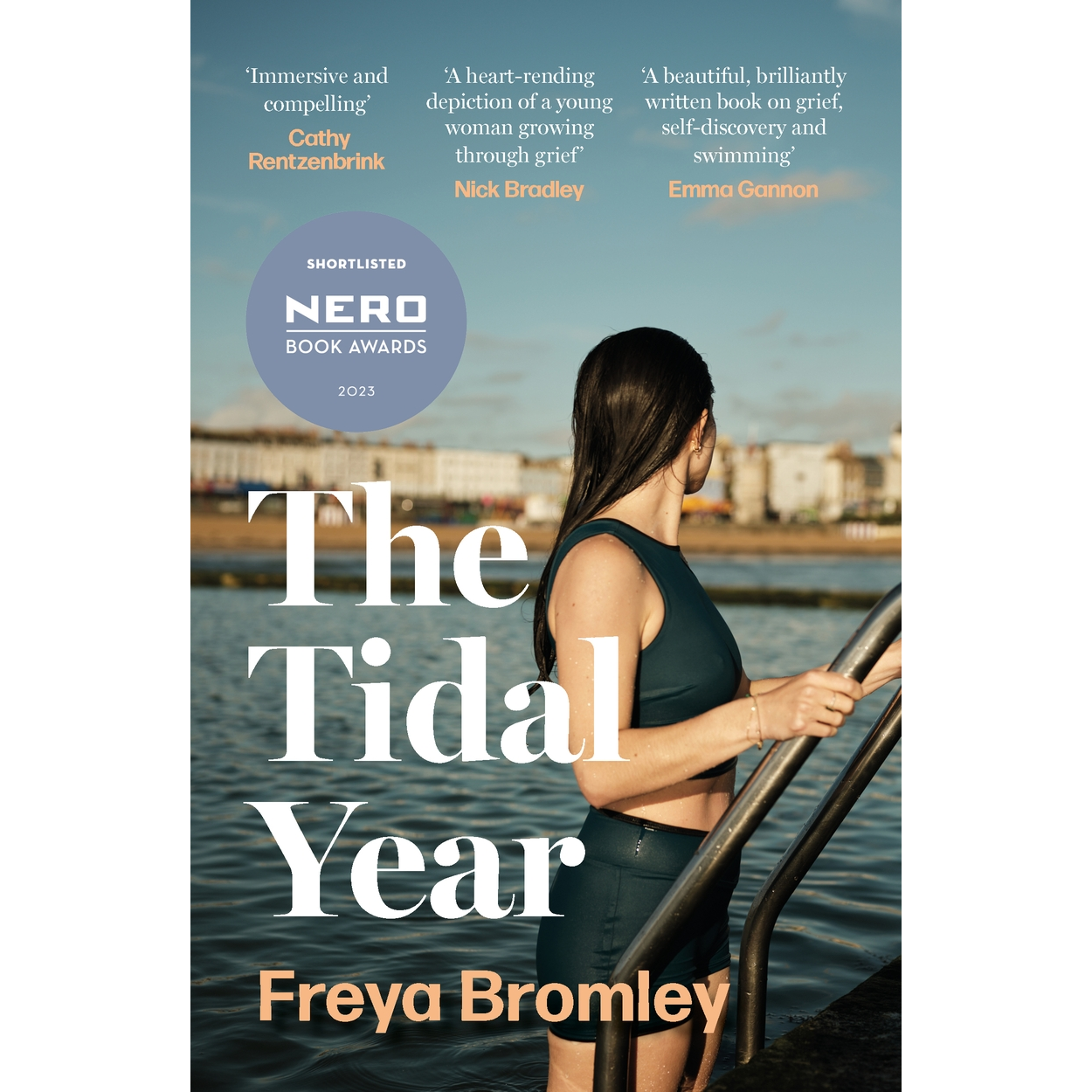
The Tidal Year: A Memoir on Grief, Swimming and Sisterhood | By Freya Bromley
Freya is still searching. For four years, she's been looking for a way to fill the empty space her brother's death left behind. Ready for another distraction, Freya decides to swim every tidal pool in Britain in a year with her friend Miri. The adventure takes them from a pool hidden in the cliffs of fishing-village Polperro to the quarry lagoon of Abereiddi via Trinkie Wick where locals meet each year to give the pool wall a fresh lick of paint.
As Freya travels further from London, she finds herself closer to memories of her brother. With every swim, and every stranger they meet in the water, the challenge becomes more than just a way to explore the coast, but a journey of self-discovery. The Tidal Year is a true story about the healing power of wild swimming and the space it creates for reflection, rewilding, and hope.
An exploration of grief in the modern age, it's also a tale of loss, love, female rage and sisterhood.
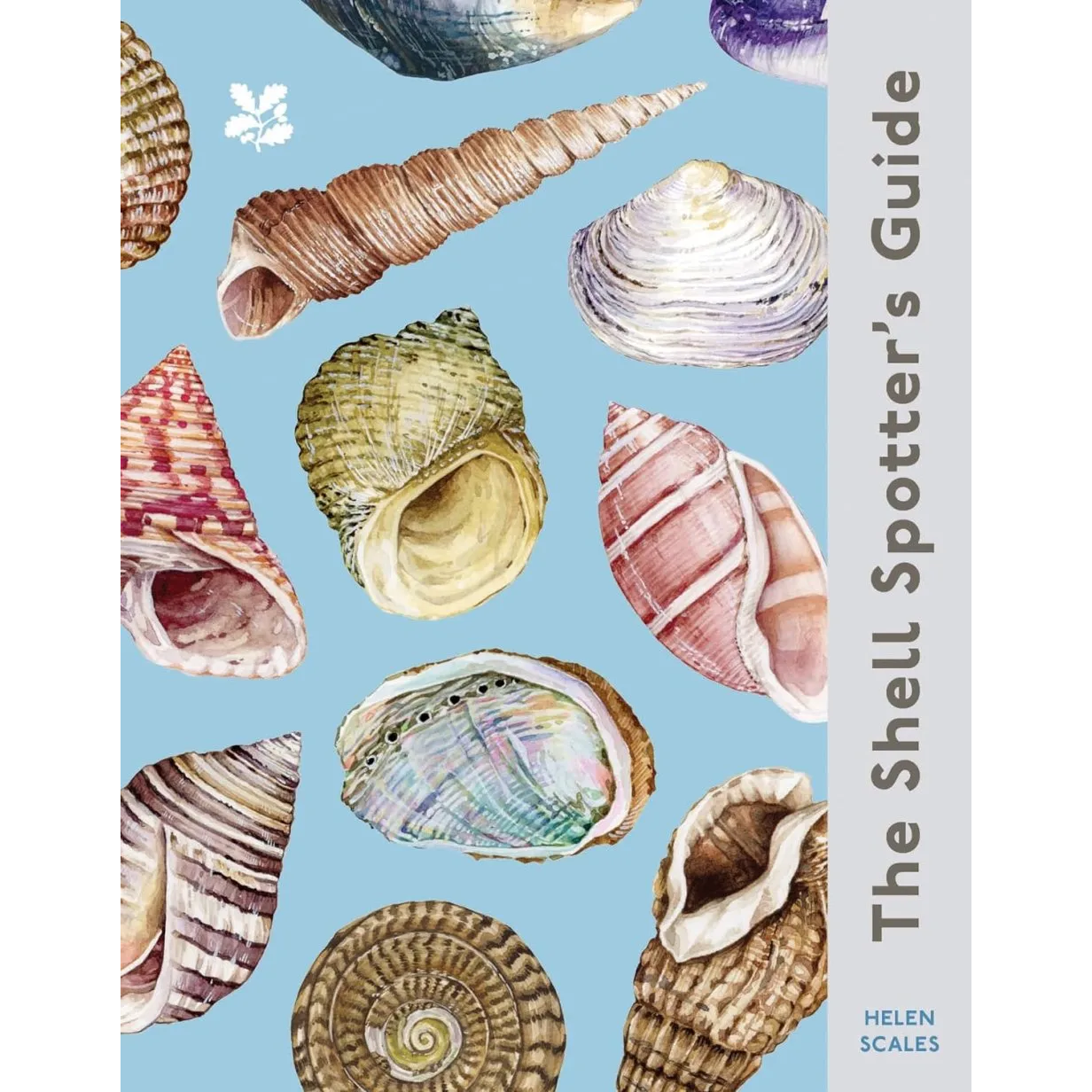
The Shell Spotter’s Guide | By Helen Scales
Supported by the National Trust, who look after over 780 miles of Britain’s coastline. Turns any beach into a treasure hunt. A simple, nostalgic pleasure and a connection with the wonders of nature.
Beautifully illustrated and packed with surprising and delightful facts. Looking for seashells and learning their names is the perfect way to explore Britain’s coastline at leisure. It’s a nostalgic simple pleasure, and a way to discover some of nature’s most exquisite wonders.
From the common cockle to the blue-rayed limpet, The Shell Spotter’s Guide covers the beautiful and surprising range of mussels, oysters, periwinkles, scallops, cowries and whelks found on our beaches. This beautifully illustrated book written by marine biologist Helen Scales is the perfect companion for all aspiring shell spotters.
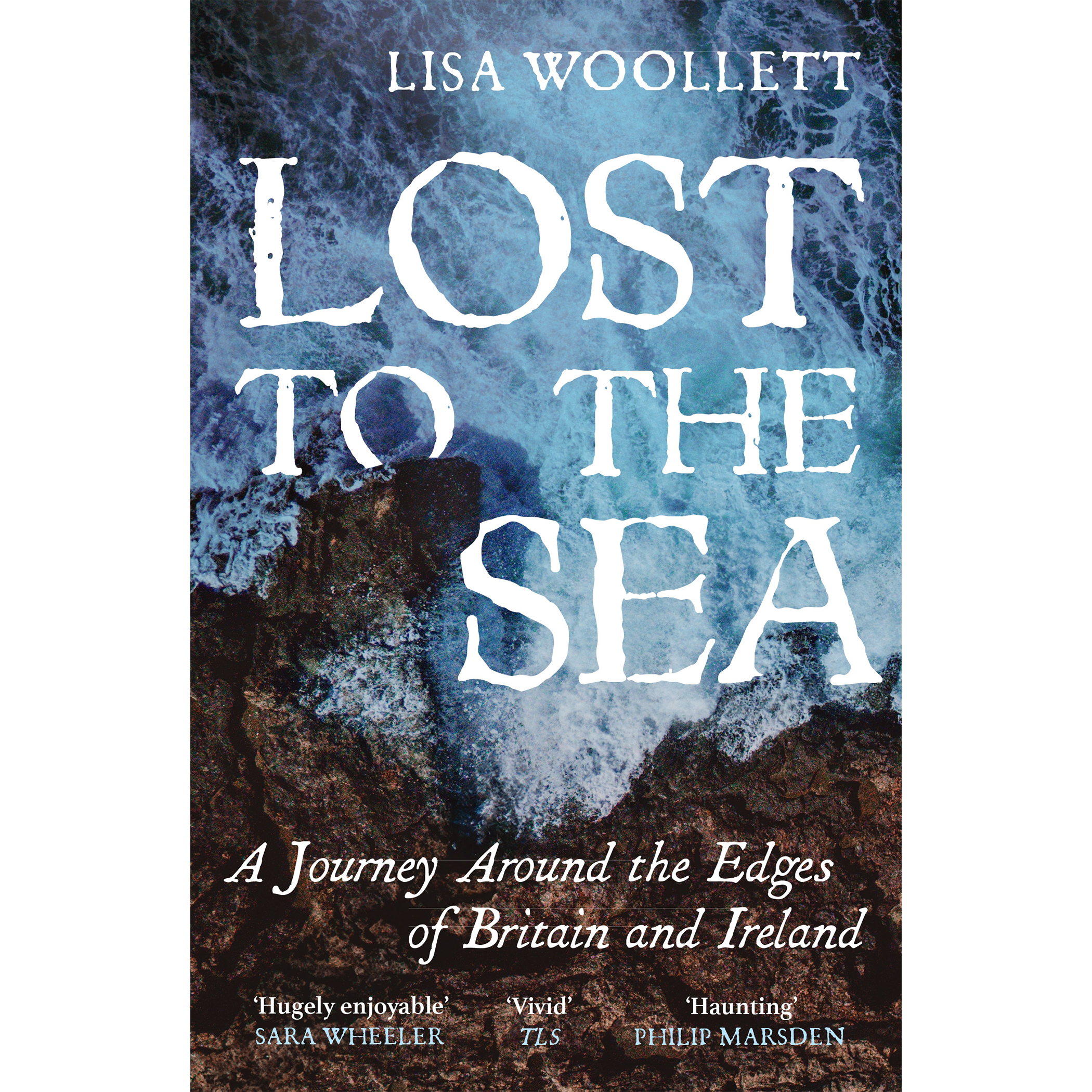
Lost to the Sea: A Journey Round the Edges of Britain and Ireland | By Lisa Woollett
Medieval kingdoms. Notorious pirate towns. Drowned churches. Crocodile-infested swamps.
On a series of coastal walks, Lisa Woollett takes us on an illuminating journey, bringing to life the places where mythology and reality meet at the very edges of Britain and Ireland. From Bronze Age settlements on the Isles of Scilly and submerged prehistoric forests in Wales, to a Victorian amusement park on the Isle of Wight and castles in the air off County Clare, Lisa draws together archaeology, meetings with locals and tales from folklore to reveal how the sea has forged, shaped and often overwhelmed these landscapes and communities.
Lost to the Sea is an exhilarating voyage around the ever-shifting shores of the British Isles, and a haunting ode to our profound relationship with the sea.
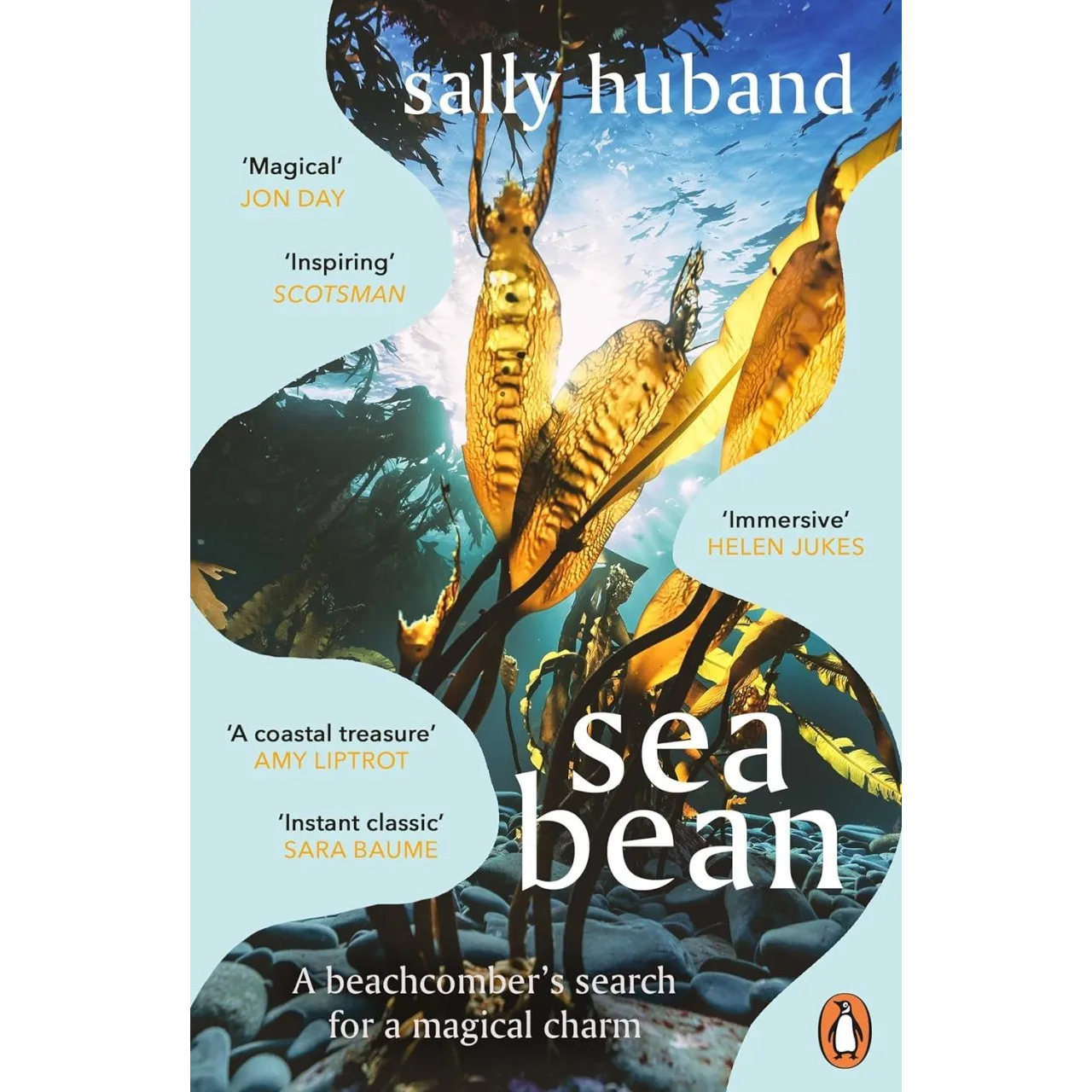
Sea Bean: A Beachcomber’s Search for a Magical Charm | By Sally Huband
When a seed falls from a vine in the tropics and is carried by ocean currents across the Atlantic to the shores of Western Europe - it is known as a sea bean.
It is still considered lucky to find a sea bean on the shore, they have been used as magical charms for more than a thousand years. Sally's search for a sea bean begins not long after she moves to the windswept archipelago of Shetland. When pregnancy triggers a chronic illness and forces her to slow down, Sally takes to the beaches.
There she discovers treasure freighted with story and curiosities that connect her to the world. The wild shores of Shetland offer glimpses of orcas swimming through the ocean at dusk, the chance to release a tiny storm petrel into the dark of the night and a path of hope. This beachcombing path takes her from the Faroese archipelago to the Orkney islands, and the Dutch island of Texel.
It opens a world of ancient myths, fragile ecology, and deep human history. It brings her to herself again. Sea Bean is a message in a bottle.
An interconnection of our oceans, communities and ourselves, and an invitation to feel belonging when we are adrift.
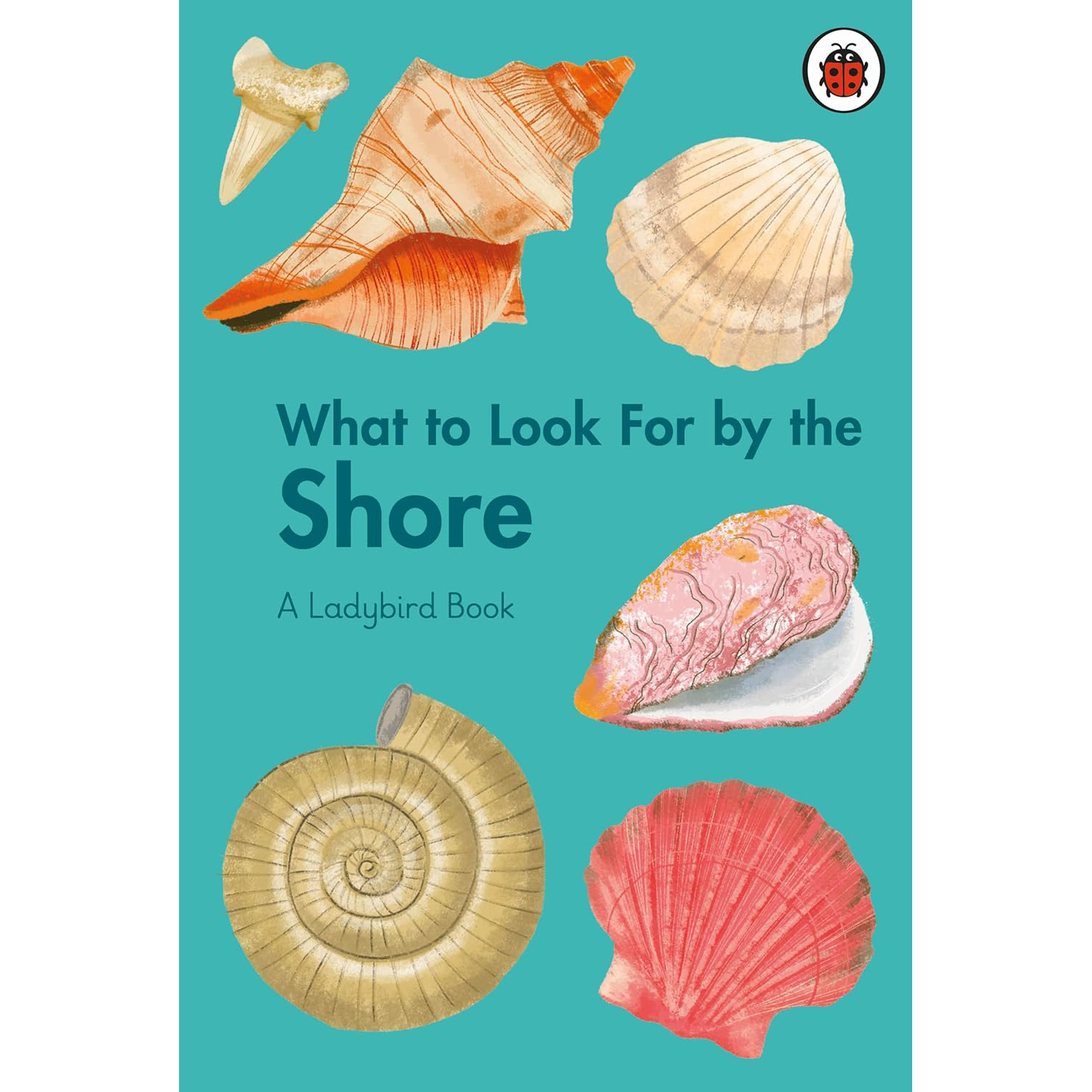
What to Look For by the Shore | By Becky Brown | Illustrated by Laura Martin
Ever wondered which fossils you may find in the sand at the beach or why they have flags at the beach?
This book takes a closer look at sights you can see along and under the shores such as lighthouses, sandcastles, sea sports and the creatures found in rock pools.
An Opinionated Guide to Margate | By Emmy Watts | From Hoxton Mini Press
Margate's tide has turned. Once seen as a faded seaside town, it is now a vibrant harbour of creativity. Whether you're into modern art, indie boutiques, natural wine or just want to stuff your face with fish and chips and flog into the sea, it's time to explore this revitalised dreamland.
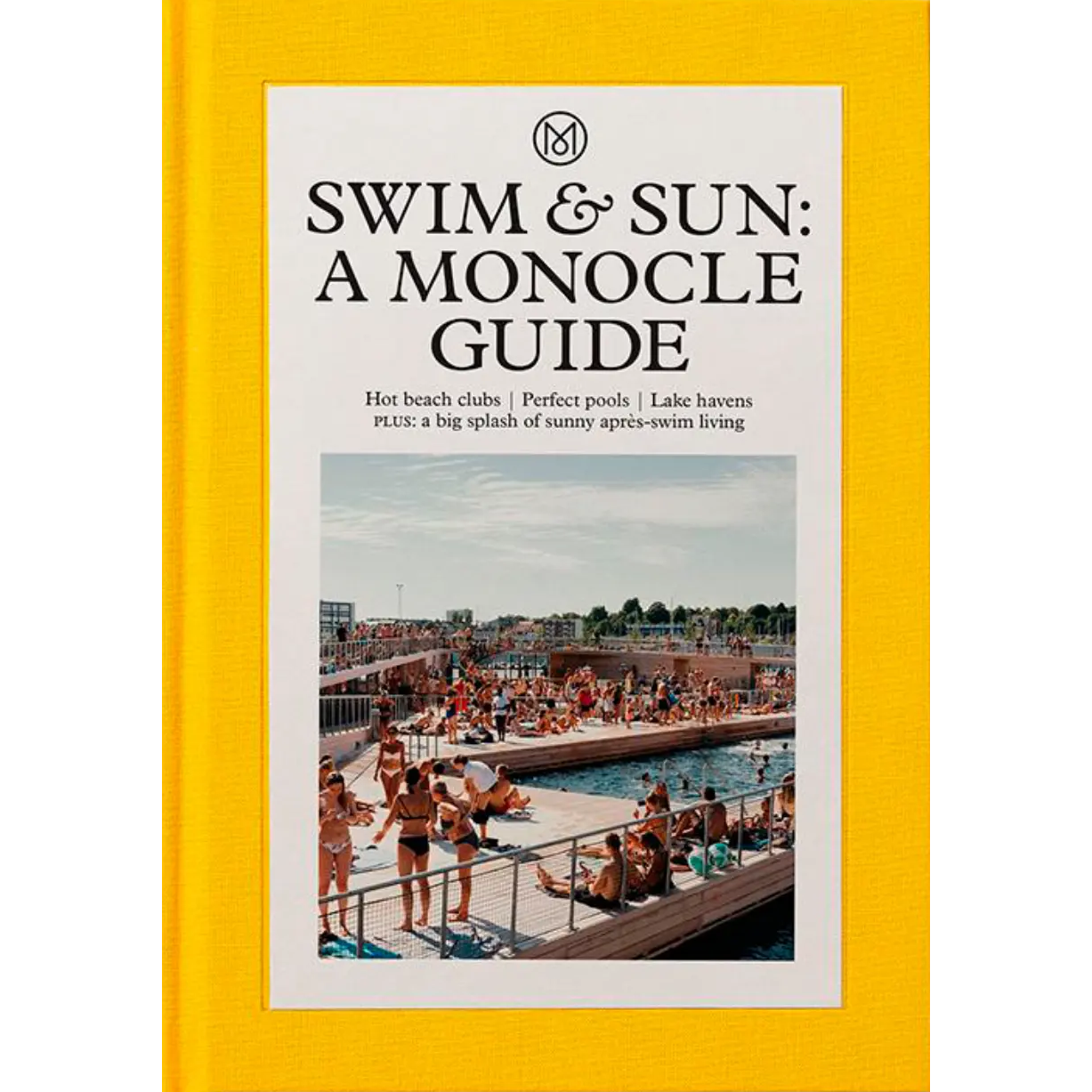
Swim & Sun: A Monocle Guide
The Monocle team dips its toe into the world of swimming, revealing 100 beautiful and inspiring places to take the plunge. Swimming is excellent exercise of course, but it's so much more than that: it can be a transcendental experience, offering us space to reflect and to escape. It's an antidote to screens and all-encompassing technology.
Perhaps it's the shedding of inhibitions that come with a dip, or could it be that getting somewhere under our own steam is an act that's health-giving, refreshing and life-affirming? Whatever it means to you, swimming - alone or with others, badly or brilliantly - is about being in the moment. This new book celebrates bathing in glorious full-colour photography, revealing the editors' chosen spots from inner-city architectural wonders to lakes, beach clubs and bagni. So whether you're looking to do laps in Italy, tread water in Australia, sink into the icy depths in Iceland - or perhaps just sit on the side and let others do the hard work - this guide includes a setting for everyone.
Dive right in.
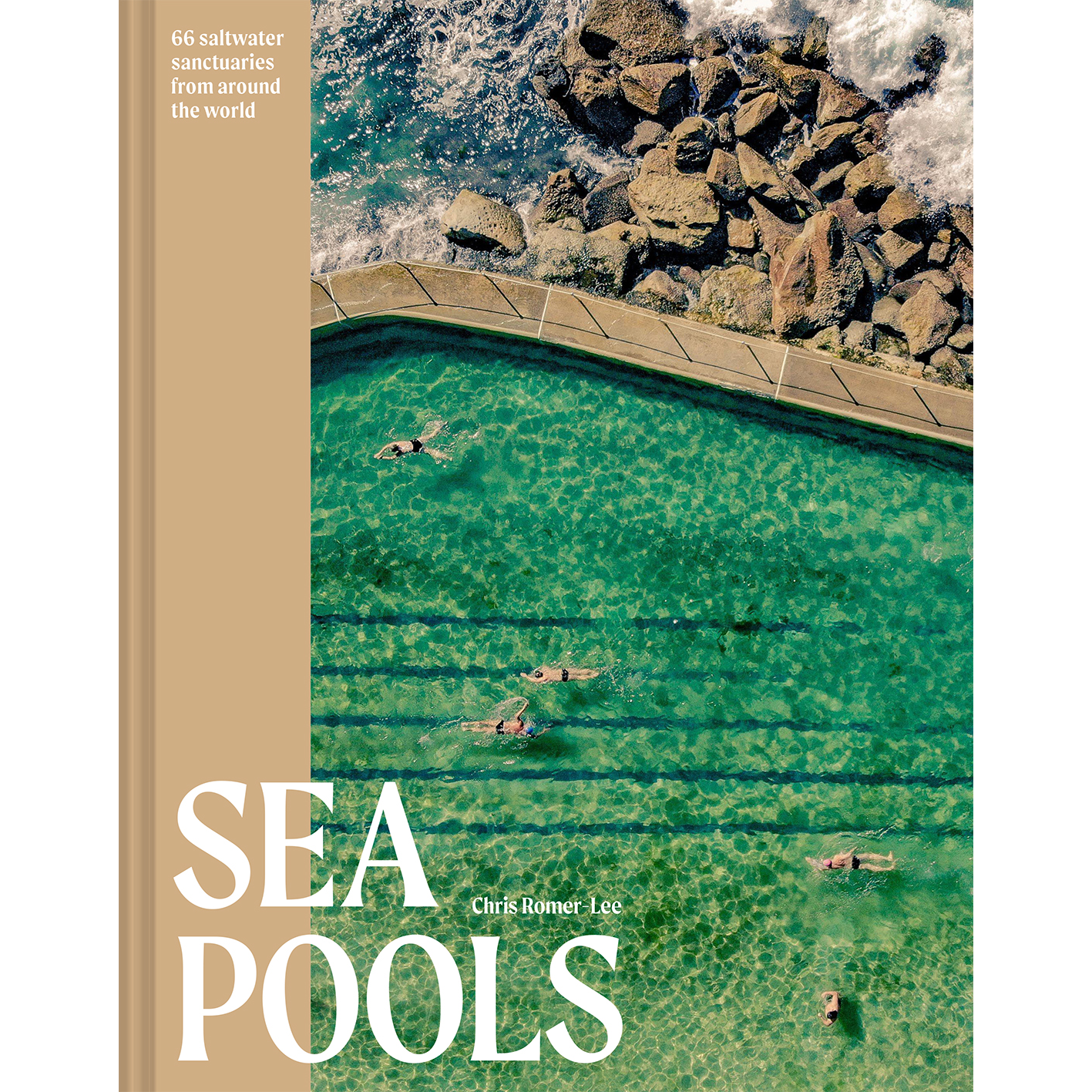
Sea Pools: 66 saltwater sanctuaries from around the world | By Chris Romer-Lee
An ode to sea swimming - looking at the architecture, history and social significance of sea pools.
The sea can be challenging and changeable. Protected from the dangers of currents, crashing waves and extreme cold, sea pools (also known as tidal or ocean pools) are manmade pools that provide a safe space for swimmers to enjoy the benefits of the sea at all states of the tide and weather.
Sea Pools begins with an introduction to sea pools within the history of outdoor swimming, their unique designs and architectural significance and commentary on the resurgent appreciation for sea swimming in the 21st century. Chris Romer-Lee selects 70 of the most beautiful and culturally significant sea pools from around the world, including the 25-metre cliffside Avalon Rock Pool in new South Wales, Australia, the sublime Pozo de las Calcosas in Spain that is shrouded in volcanic rock, and Ireland's historic Vico Baths to name but a few. Sea Pools also includes four insightful essays: Nicola Larkin looks to the next generation of ocean pools in her exploration of how we can conserve, protect and regenerate the coastline; Therese Spruhan testifies to the healing and transformative benefits of ocean swimming; Freya Bromley discusses her odyssey to swim in every sea pool in Britain; and Kevin Fellingham on the importance of sea pools in South Africa.
The book is illustrated throughout with beautiful colour photography, as well as fascinating archive material to give an insight into the provenance of these vital sanctuaries.
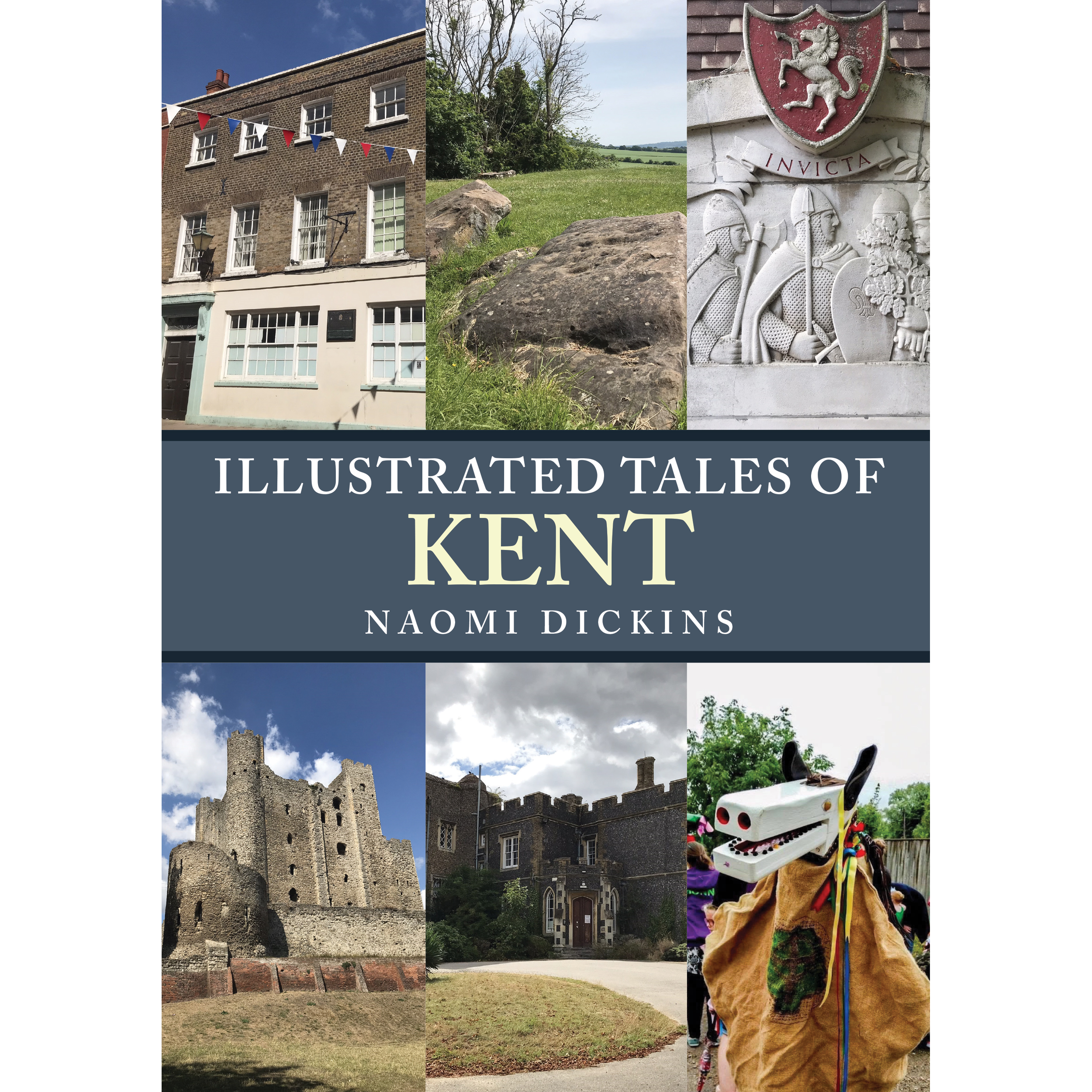
Illustrated Tales of Kent | By Naomi Dickins
From the wooded depths of the Wealden forest to the fortified cliffs of the Channel coast, and from the high hills of the North Downs to the wide flats of the Romney Marsh, Kent is a county of contrast and variety. Little wonder, then, that it is a place rich with folklore and stories, steeped in legend and superstition. The inhabitants of Kent present a vibrant cast of heroes and villains, while the county's natural landscape, quiet villages, bustling towns, stately homes and royal residences provide the tales' unique and colourful settings.
In this book, local author Naomi Dickins brings together a collection of fascinating and entertaining tales from across the county, in which you might discover more about the origins of Kent place names and the Kentish customs of hoodening and yowling; hunt down a gang of smugglers or take a stand with the county's defenders; bid farewell to an exiled king or discover where a native American princess is buried; meet with ancient ancestors, witches and ghosts, or just catch sight of a phantom ship. Illustrated throughout, this book will appeal to residents, visitors and all those with connections to Kent.
The Draw of the Sea | By Wyl Menmuir
Wyl Menmuir's The Draw of the Sea is a beautifully written and deeply moving portrait of the Cornish Coast and the people who make their livings there, examining the ephemeral but universal pull the sea holds over the human imagination.
Since the earliest stages of human development, the sea has fascinated and entranced us. It feeds us, sustaining communities and providing livelihoods, but it also holds immense destructive power which can take all those away in an instant.
It connects us to far away places, offering the promise of new lands and voyages of discovery, but also shapes our borders, carving divisions between landmasses and eroding the very ground beneath our feet. In this beautifully-written meditation on what it is that draws us to the waters' edge, author Wyl Menmuir tells the stories of the people whose lives revolve around the sea in the Cornish community where he lives.
In twelve interlinked chapters, Menmuir explores the lives of local fishermen steeped in the rich traditions of a fishing community, the beachcombers who wander the shores in search of the varied objects which wash ashore and the stories they tell, and all number of others who have made their lives on the beautiful Cornwall coast.
In the specifics of these livelihoods and their rich histories and traditions, Wyl Menmuir captures the universal human connection to the sea. Into this seductive tapestry, Wyl weaves the story of how the sea has beckoned, consoled and restored him.
This book is a meaningful and moving work into how we interact with the environment around us, and how it comes to shape the course of our lives. As unmissable as it is compelling, as profound as it is personal, this must-read book will delight anyone familiar with the intimate and powerful pull which the sea holds over us.
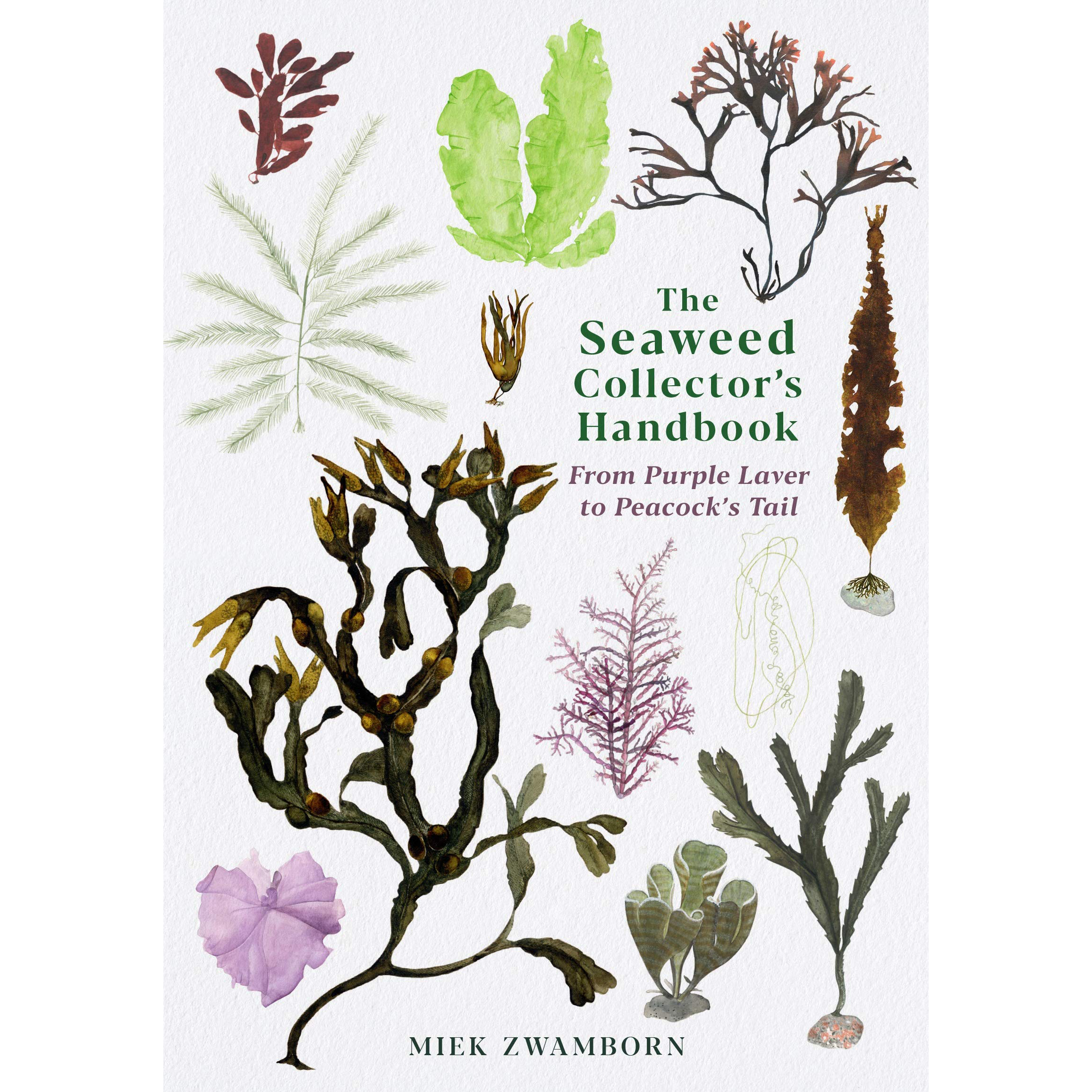
The Seaweed Collector's Handbook: From Purple Laver to Peacock's Tail | By Miek Zwamborn | Translated by Michele Hutchison
Seaweed is so familiar and yet its names - pepper dulse, sea lettuce, bladderwrack - are largely unknown to us. In this short, exquisitely illustrated portrait, the Dutch poet and artist Miek Zwamborn shares her discoveries of its history, culture and use, from the Neolithic people of the Orkney Islands to sushi artisans in modern Japan. Seaweed troubled Columbus on his voyages across the Atlantic, intrigued von Humboldt in the Sargasso Sea and inspired artists from Hokusai to Matisse.
Covering seaweed's collection by Victorians, its adoption into fashion and dance and its potential for combating climate change, and with a fabulous series of recipes based around the 'truffles of the sea', this is a wonderful gift for every nature lover's home.
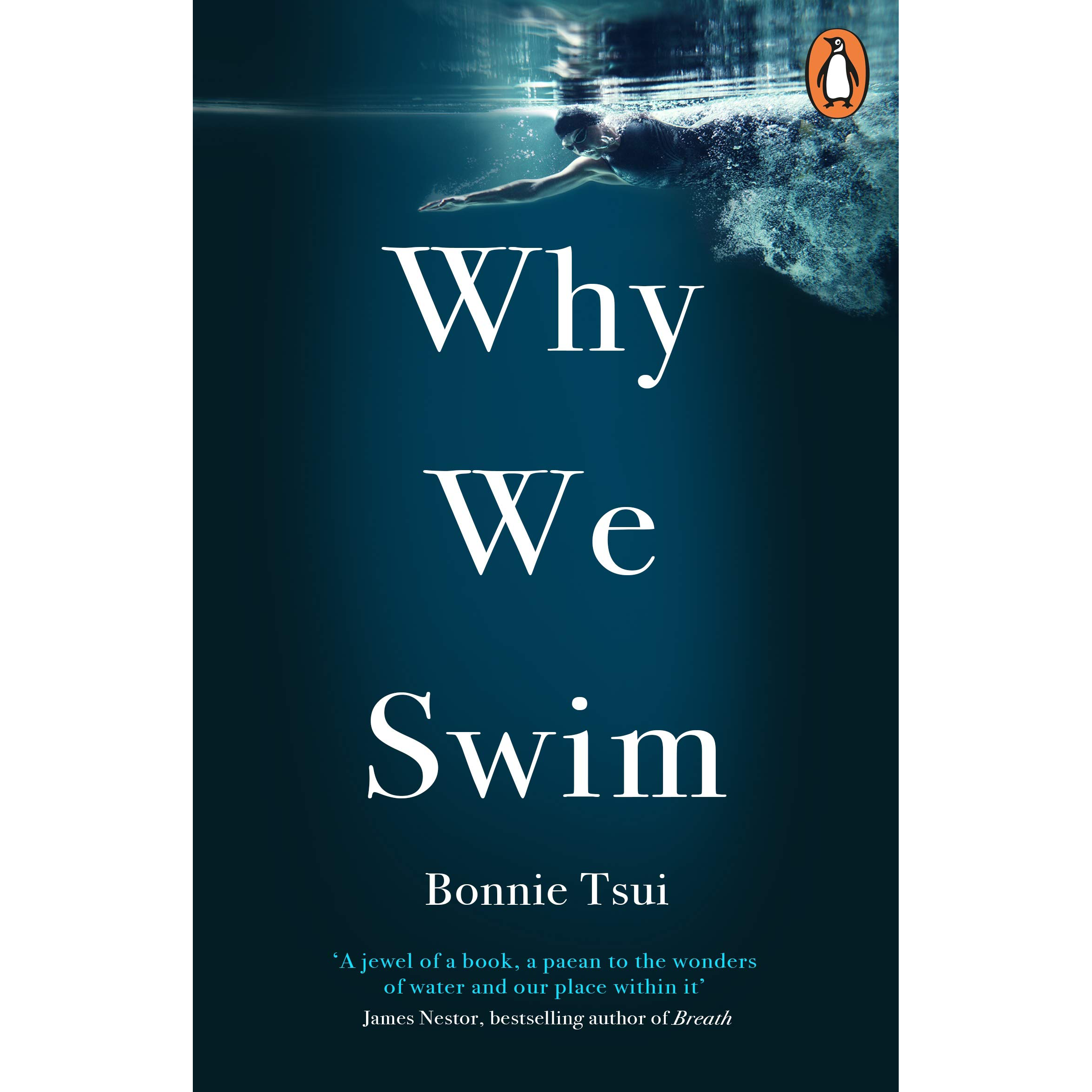
Why We Swim | By Bonnie Tsui
Take a dive into the deep with writer and swimmer Bonnie Tsui and discover what it is about water that seduces us, heals us, and brings us together. Our evolutionary ancestors swam for survival.
Now we swim in freezing Arctic waters, wide channels, and piranha-infested rivers just because they are there. Swimming is an introspective and quiet sport in a chaotic age. It is therapeutic for those who are injured and it is one route to that elusive, ecstatic state of Flow.
Propelled by stories of polar swim champions, a Baghdad swim club, Olympian athletes, modern-day samurai swimmers, and even an Icelandic fisherman who improbably survived a six-hour swim in the wintry Atlantic, Why We Swim takes us around the globe in a remarkable, all-encompassing account of the world of swimming.
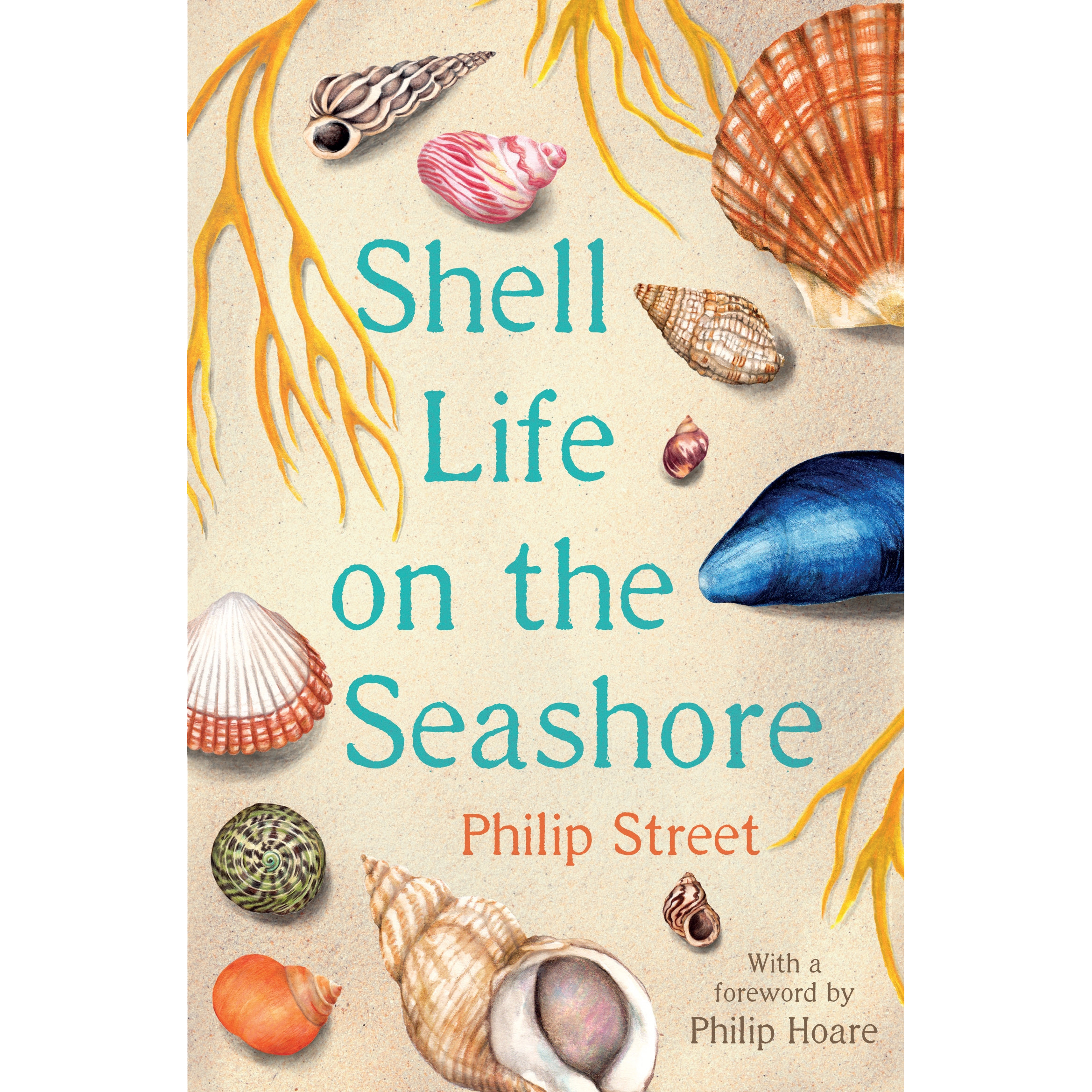
Shell Life on the Seashore | By Philip Street
“Armed with this intrepid survey, we can see a brave new world down there on the beach ... Exquisite revelation, of the most wonderful, watery kind.” - Philip Hoare
For many, the highlights of seaside holidays are rockpooling and gathering the glorious array of shells left strewn on the beach after the receding tide. Attracted by the infinite variety of shapes and colours, visitors can never resist making a souvenir collection of their own - but little do they suspect the fascinating lives of the animals who once occupied them.
What if each shell had a story of its own to tell us, if only we knew the language? Mr Street’s delightful, informative guide uncovers the secret history of each common shell, revealing not only which marine creature once inhabited it but the unique challenges of its watery habitat it had to solve.
From barnacles to oysters, cockles to sea slugs, winkles to carnivorous snails, molluscs and lesser-known members of the octopus family, Shell Life on the Seashore is the essential primer for recognising and collecting both these curious specimens and the 'empties' they leave behind - and will greatly increase the old-fashioned pleasures of a coastal holiday for all the family.
Seaside-themed highlights
Free Books for Schools
Free Books for Schools
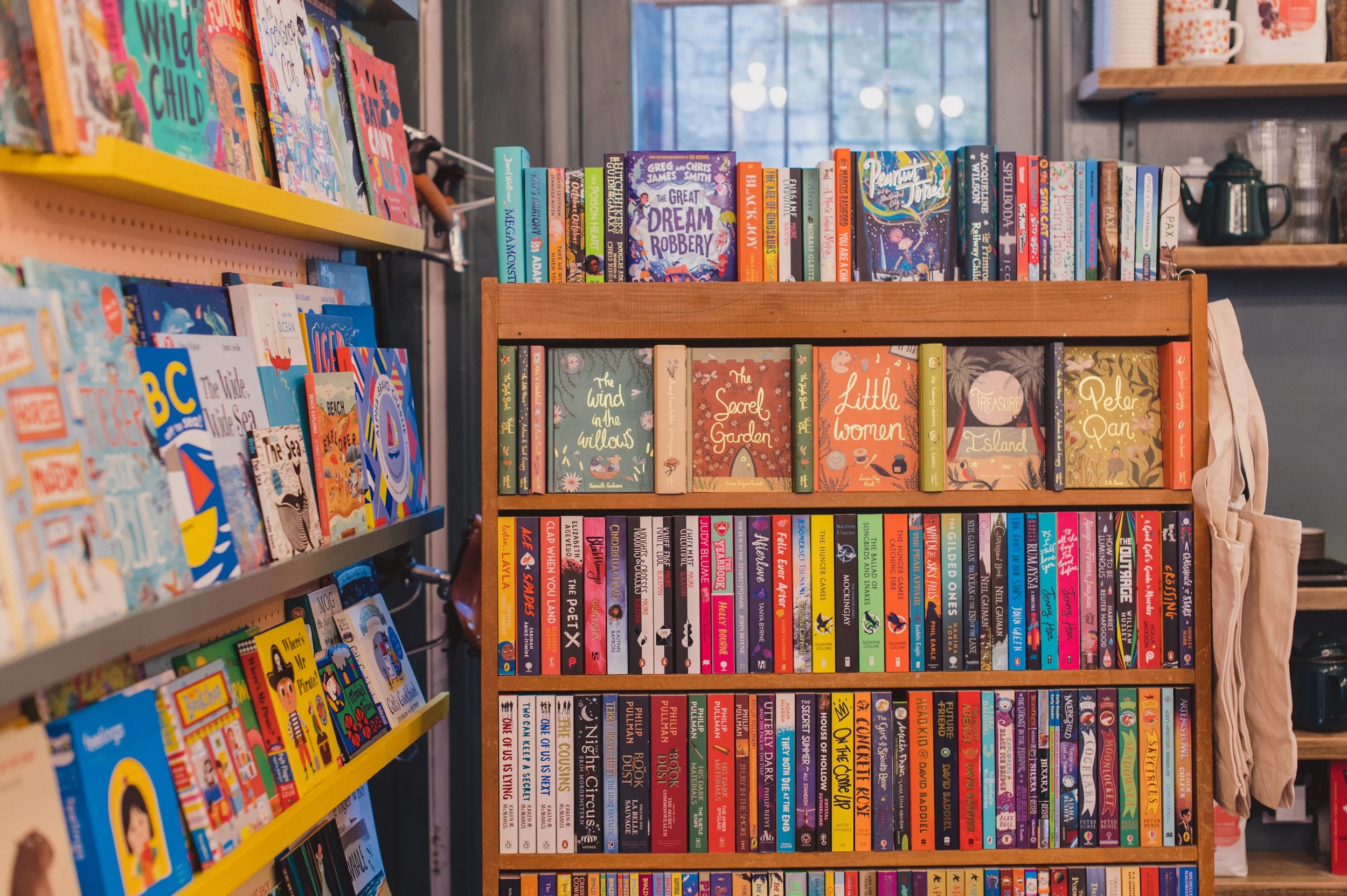
Thanks to our customers The Margate Bookshop has raised over £5000 to buy books for local primary schools!

Minihorror | By Barbi Markovic | Translated by Jen Calleja
A guest at a New Year's Eve rooftop party finds a parallel universe in the building next door. A woman discovers her boyfriend's family are all made of cookie dough. A man bites into a bar of Alpine chocolate to realise it's infested with maggots.
Mini and Miki live in Vienna. They are not from here, but they try their best to fit in and carve themselves the perfect middle class routine. Nevertheless - and perhaps because of it - there's something not quite right about the place.
Danger seems to lurk in every corner: a family breakfast, an office cubicle, a well-deserved holiday. Minihorror is a surreal, delightful and terrifying collection about the agents of fear in our society from the most original and imaginative of a new generation of European writers - to read it is to feel at once caught-out and understood. Barbi Markovic dares to ask: could the real horror story be life itself?